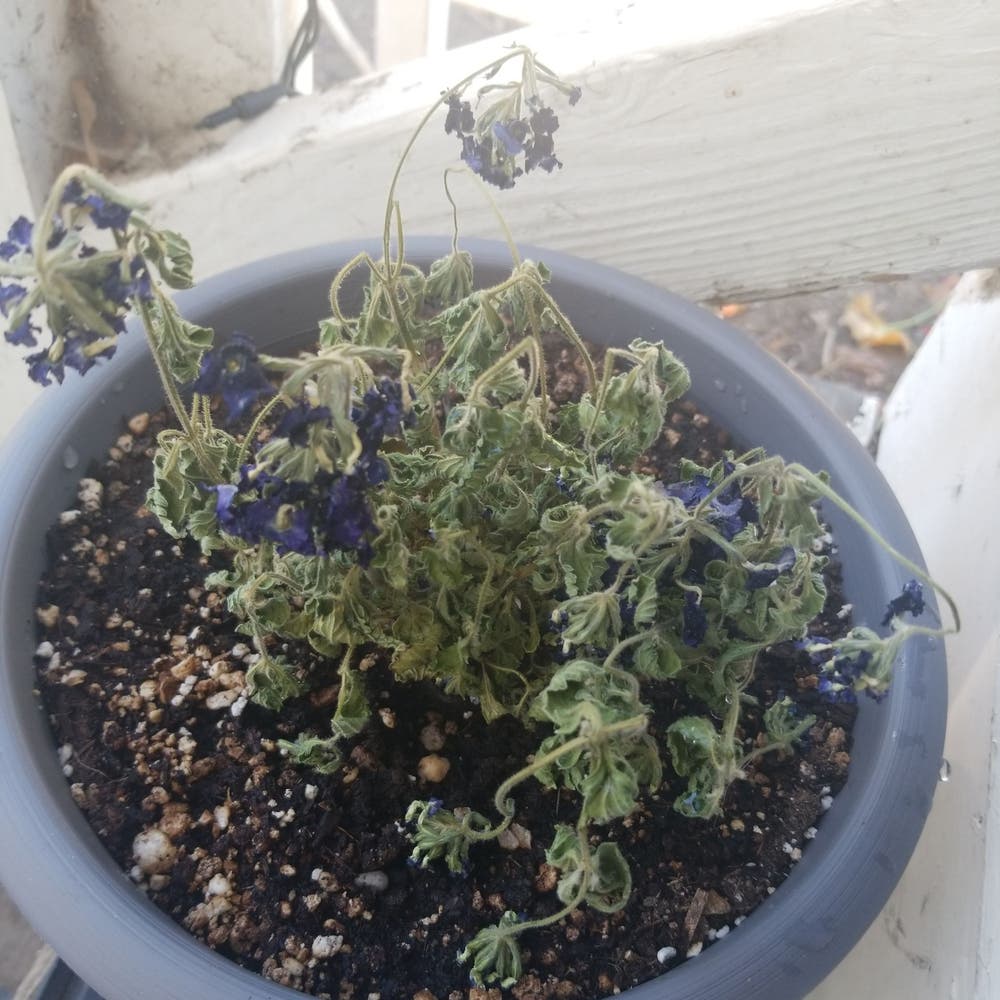
🌼 Ultimate Guide to Fixing Flower Problems in White Verbena
Verbena x hybrida
By the Greg Editorial Team
Oct 20, 2024•4 min read
This article was created with the help of AI so we can cover more plants for you. May contain errors. See one? Report it here.
Unlock vibrant blooms for your White Verbena 🌼 with these essential care tips for thriving flowers!
- ☀️ White Verbena needs 6-8 hours of sunlight daily for optimal blooming.
- 🌱 Nutrient deficiencies in phosphorus and potassium hinder flower production.
- 💧 Balance watering; both over and underwatering stress plants, affecting blooms.
Failure to Bloom
🌞 Causes
Insufficient Light
White Verbena thrives in full sun, requiring 6 to 8 hours of direct sunlight daily. Without adequate light, blooming can be severely compromised.
Nutrient Deficiencies
A lack of essential nutrients, particularly phosphorus and potassium, can stunt flower production. These nutrients are vital for robust blooming.
Improper Watering
Both overwatering and underwatering can stress your White Verbena. This stress directly impacts its ability to produce flowers, leading to disappointment.
💡 Solutions
Adjusting Light Exposure
To boost blooming, consider relocating your plants to sunnier spots. Trimming surrounding foliage can also help increase sunlight exposure.
Fertilization Tips
Utilize a balanced fertilizer with a higher phosphorus content, such as a 5-10-10 formula, during the growing season. This will provide the necessary nutrients for vibrant blooms.
Watering Techniques
Maintain consistent moisture without waterlogging your plants. Allow the top inch of soil to dry out between waterings to promote healthy growth.
By addressing these common causes and implementing effective solutions, you can encourage your White Verbena to flourish and bloom beautifully. Next, let’s explore the issue of premature flower drop and how to tackle it effectively.
Premature Flower Drop
🌪️ Causes
Environmental Stress
Sudden temperature changes or extreme weather can shock your White Verbena, leading to flower drop. Keeping an eye on weather patterns is crucial for maintaining plant health.
Overwatering
Too much moisture can suffocate roots, causing root rot and resulting in flowers falling off. It's essential to find the right balance in your watering routine.
Pest Infestations
Pests like aphids can sap the strength of your plants, making them more susceptible to dropping flowers. Regular checks can help catch these pests early.
🛠️ Solutions
Identifying Stress Factors
Monitor temperature and humidity levels closely. Providing shade during extreme heat can help your plants cope better.
Proper Watering Practices
Implement a watering schedule that allows the soil to dry out between sessions. This helps prevent overwatering and keeps your plants thriving.
Pest Control Methods
Use insecticidal soap or neem oil to effectively manage pest populations. Regular treatment can keep your White Verbena healthy and blooming.
By addressing these causes and implementing these solutions, you can help your White Verbena flourish and enjoy a vibrant display of flowers. Next, let’s explore how environmental factors like light and nutrition play a role in your plant's health.
Abnormal Flower Development
🌱 Causes
Genetic Factors
Some White Verbena varieties come with unique traits that can affect flower shape and size. These genetic predispositions can lead to unexpected blooms that may not meet your aesthetic expectations.
Nutrient Imbalances
An excess of nitrogen is a common culprit in abnormal flower development. While lush foliage looks great, it often comes at the expense of flower production.
Disease
Fungal infections can wreak havoc on your plants, distorting flower growth and development. Keeping an eye out for signs of disease is crucial for maintaining healthy blooms.
💡 Solutions
Soil Testing
Conducting a soil test is your first step toward understanding nutrient levels and pH balance. This information is vital for making informed adjustments to your care routine.
Balanced Fertilization
Once you have your soil test results, adjust your fertilizer application accordingly. Ensuring the right nutrient ratios can help your White Verbena thrive and produce beautiful flowers.
🛡️ Disease Management Strategies
Implementing crop rotation and using resistant plant varieties can significantly minimize disease impact. These proactive measures will help keep your plants healthy and blooming beautifully.
By addressing these factors, you can encourage your White Verbena to develop the stunning flowers you desire. Next, let’s explore how environmental factors like light and nutrition play a crucial role in your plant's overall health.
Impact of Environmental Factors
Light Requirements 🌞
Importance of sunlight for blooming
White Verbena thrives in full sun, requiring 6 to 8 hours of direct sunlight daily. This exposure is vital for a robust bloom cycle and the overall health of the plant.
Nutritional Needs 🍽️
Essential nutrients for flowering
To flourish, White Verbena needs key nutrients, particularly phosphorus and potassium. These elements support flower production and enhance the plant's resilience.
Pruning Techniques ✂️
Best practices for pruning to encourage blooms
Regular pruning is essential for promoting bushier growth and more blooms. Pinching back stems encourages the plant to focus energy on producing flowers rather than excessive foliage.
Understanding these environmental factors is crucial for nurturing your White Verbena. By optimizing light, nutrition, and pruning, you can significantly enhance your plant's blooming potential. Next, let’s explore common issues like failure to bloom and how to tackle them effectively.
⚠️ Safety First
This content is for general information and may contain errors, omissions, or outdated details. It is not medical, veterinary advice, or an endorsement of therapeutic claims.
Always consult a qualified healthcare professional before using any plant as food, medicine, or supplement.
Never eat any plant (or feed one to pets) without confirming its identity with at least two trusted sources.
If you suspect poisoning, call Poison Control (800) 222-1222, the Pet Poison Helpline (800) 213-6680, or your local emergency service immediately.
Spotted an error? Please report it here.
Boost your White Verbena's blooms with Greg's tailored care tips 🌞 that ensure optimal sunlight, nutrients, and watering for a vibrant garden all season long!