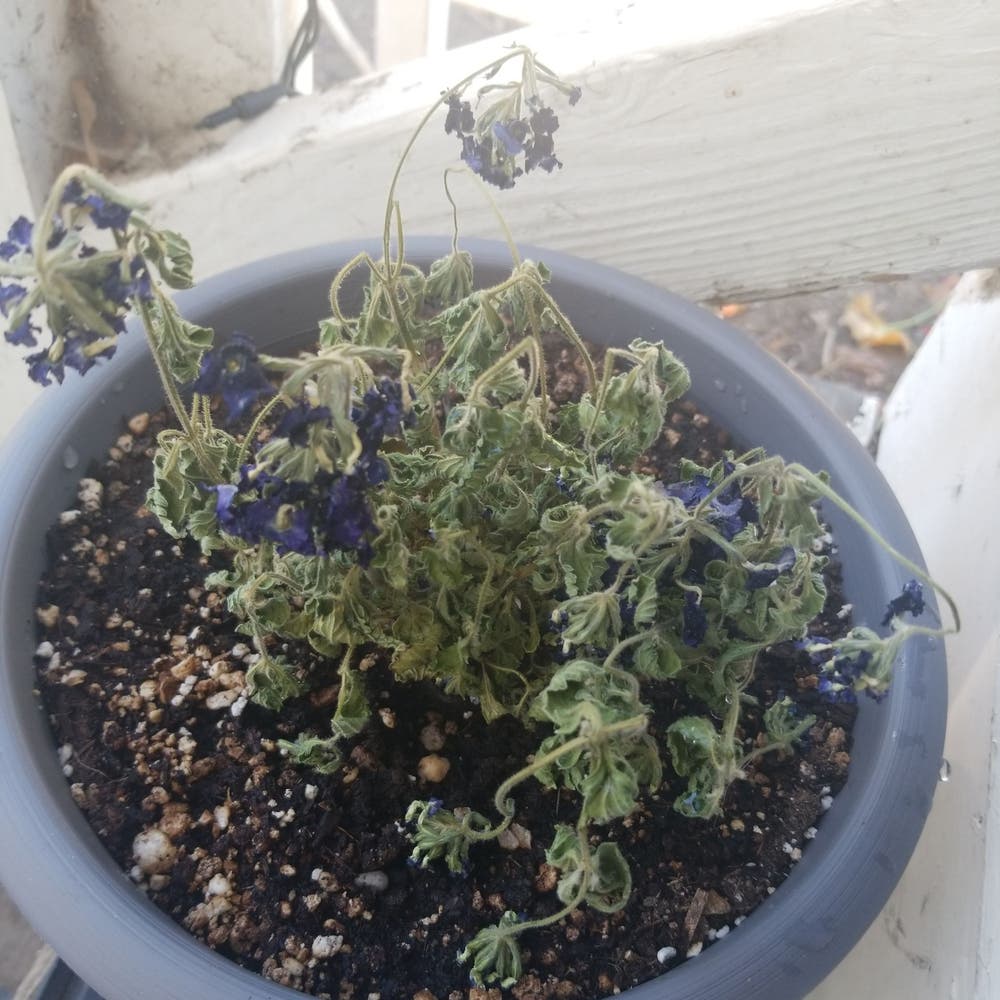
🔍 Understanding Black Spots on Your White Verbena Leaves
Verbena x hybrida
By the Greg Editorial Team
Oct 20, 2024•6 min read
This article was created with the help of AI so we can cover more plants for you. May contain errors. See one? Report it here.
Revive your white verbena from black spots 🌱 with expert tips for diagnosis, treatment, and prevention!
- 🌱 Black spots on white verbena are often due to fungal infections in humid conditions.
- 🐜 Pests like aphids worsen black spots by stressing the plant. Inspect regularly!
- 💧 Proper watering and drainage prevent root rot, reducing black spot risks.
Causes of Black Spots
🦠 Fungal Infections
Black spot fungus is a common culprit behind those unsightly black spots on your white verbena leaves. This fungus thrives in warm, humid conditions, making it a frequent visitor in gardens where overwatering occurs.
To understand its lifecycle, consider that it spreads through spores, which can easily travel in the air or via water. Once established, it can quickly damage your plants if not addressed promptly.
🐜 Pest-Related Issues
Aphids and spider mites are two common pests that can wreak havoc on your verbena. These tiny invaders suck the sap from leaves, leading to discoloration and weakening of the plant.
Their presence often exacerbates the issue, as they can introduce additional stress that makes your plants more susceptible to diseases like fungal infections.
🌧️ Environmental Stressors
Poor soil drainage is another significant factor contributing to black spots. When water accumulates around the roots, it can lead to root rot, which ultimately affects the health of the leaves.
Excessive moisture can also create an environment ripe for fungal growth, compounding the problems your verbena faces. Keeping an eye on these environmental stressors is crucial for maintaining vibrant, healthy plants.
Understanding these causes sets the stage for effective diagnosis and treatment, ensuring your white verbena can thrive despite challenges.
Diagnosis
🔍 Visual Inspection Techniques
Identifying black spots on your White Verbena leaves starts with a close visual inspection. Look for spots that are typically small, round, and dark in color, often surrounded by yellowing tissue.
To differentiate between fungal spots and pest damage, examine the texture and pattern. Fungal spots usually appear more uniform, while pest damage may show irregular shapes or webbing from spider mites.
🌡️ Environmental Factors Contributing to Black Spots
Temperature and humidity play crucial roles in the health of your White Verbena. Ideally, these plants thrive in temperatures between 65°F and 75°F, with humidity levels around 40-60%.
Overcrowding can lead to poor airflow, creating a damp environment that fosters fungal growth. Ensure your plants have enough space to breathe, as this simple step can significantly reduce the risk of black spots.
🌱 Soil and Watering Conditions Affecting Leaf Health
Well-drained soil is essential for the vitality of White Verbena. Poor drainage can lead to root rot, which manifests as black spots on the leaves.
Watch for signs of overwatering, such as wilting, yellowing leaves, and root rot. These symptoms indicate that your plant is struggling, and immediate action is necessary to restore its health.
Understanding these diagnostic elements will empower you to take the right steps in caring for your White Verbena. Next, we’ll explore effective treatment options to combat those pesky black spots.
Treatment Options
🌱 Organic Fungicides for Black Spots
When dealing with black spots on your White Verbena, organic fungicides can be a game changer. Two highly recommended products are neem oil and sulfur-based fungicides, both effective in combating fungal infections.
For neem oil, apply it every 7 to 14 days, ensuring thorough coverage of the affected areas. Sulfur-based fungicides can be used similarly, but always follow the manufacturer's instructions for optimal results.
🏡 Homemade Remedies for Treating Black Spots
If you prefer a DIY approach, a simple baking soda solution can work wonders. Mix 1 tablespoon of baking soda with 1 gallon of water to create an effective treatment.
For best results, apply this solution in the early morning or late afternoon, avoiding the hottest parts of the day. Repeat every 7 to 10 days until you see improvement.
✂️ Pruning Affected Leaves
Pruning is essential when your White Verbena shows signs of severe infection. Look for leaves that are heavily discolored or wilting; these are prime candidates for removal.
Use clean, sharp tools to make precise cuts, ensuring you don’t damage healthy tissue. This not only helps the plant recover but also improves airflow, reducing the risk of further infections.
By implementing these treatment options, you can effectively manage black spots and promote healthier growth in your White Verbena. Next, let’s explore some prevention strategies to keep your plants thriving.
Prevention Strategies
🌊 Best Practices for Watering White Verbena
Maintaining a consistent watering schedule is crucial for the health of your White Verbena. Aim to water deeply but infrequently, allowing the top inch of soil to dry out between waterings.
To ensure proper drainage, consider using pots with drainage holes or raised garden beds. This prevents water from pooling, which can lead to root rot and other issues.
🌬️ Importance of Air Circulation Around Plants
Good air circulation is vital for preventing black spots on your plants. Space your White Verbena at least 12 to 18 inches apart to promote airflow and reduce humidity around the leaves.
Pruning can also enhance circulation. Regularly trim back any overcrowded growth to allow more light and air to reach the inner parts of the plant.
🌱 Choosing Disease-Resistant Varieties
Selecting disease-resistant varieties is a smart strategy for long-term success. Look for plants that are specifically bred to withstand common issues like black spot fungus.
You can source these varieties at local nurseries or reputable online retailers. Always check for characteristics that indicate resilience, such as robust foliage and a history of thriving in your climate.
By implementing these prevention strategies, you can keep your White Verbena healthy and vibrant, minimizing the risk of black spots. Next, let's explore how seasonal changes can affect your plant care practices.
Seasonal Considerations
🌡️ Seasonal Changes Affecting Black Spots
Temperature fluctuations can significantly impact fungal growth on your White Verbena. Warmer, humid conditions create a perfect breeding ground for black spot fungus, while cooler temperatures can slow its spread.
Adjusting your care practices with the seasons is crucial. As temperatures drop, consider reducing watering frequency to prevent excess moisture, which can exacerbate fungal issues.
❄️ Winter Care to Prevent Disease
Preparing your plants for winter is essential for their health. Mulching around the base of your White Verbena helps insulate the roots and retain moisture, protecting them from harsh conditions.
For potted White Verbena, indoor care is key. Place them in a well-lit area and monitor for signs of overwatering, ensuring they thrive even when the temperatures dip outside.
By staying proactive with seasonal adjustments, you can keep your White Verbena healthy and vibrant all year round. Next, let’s explore effective treatment options for those pesky black spots.
⚠️ Safety First
This content is for general information and may contain errors, omissions, or outdated details. It is not medical, veterinary advice, or an endorsement of therapeutic claims.
Always consult a qualified healthcare professional before using any plant as food, medicine, or supplement.
Never eat any plant (or feed one to pets) without confirming its identity with at least two trusted sources.
If you suspect poisoning, call Poison Control (800) 222-1222, the Pet Poison Helpline (800) 213-6680, or your local emergency service immediately.
Spotted an error? Please report it here.
Keep your white verbena thriving 🌼 by using Greg's tailored care reminders to tackle black spots and ensure your plants flourish with expert guidance!