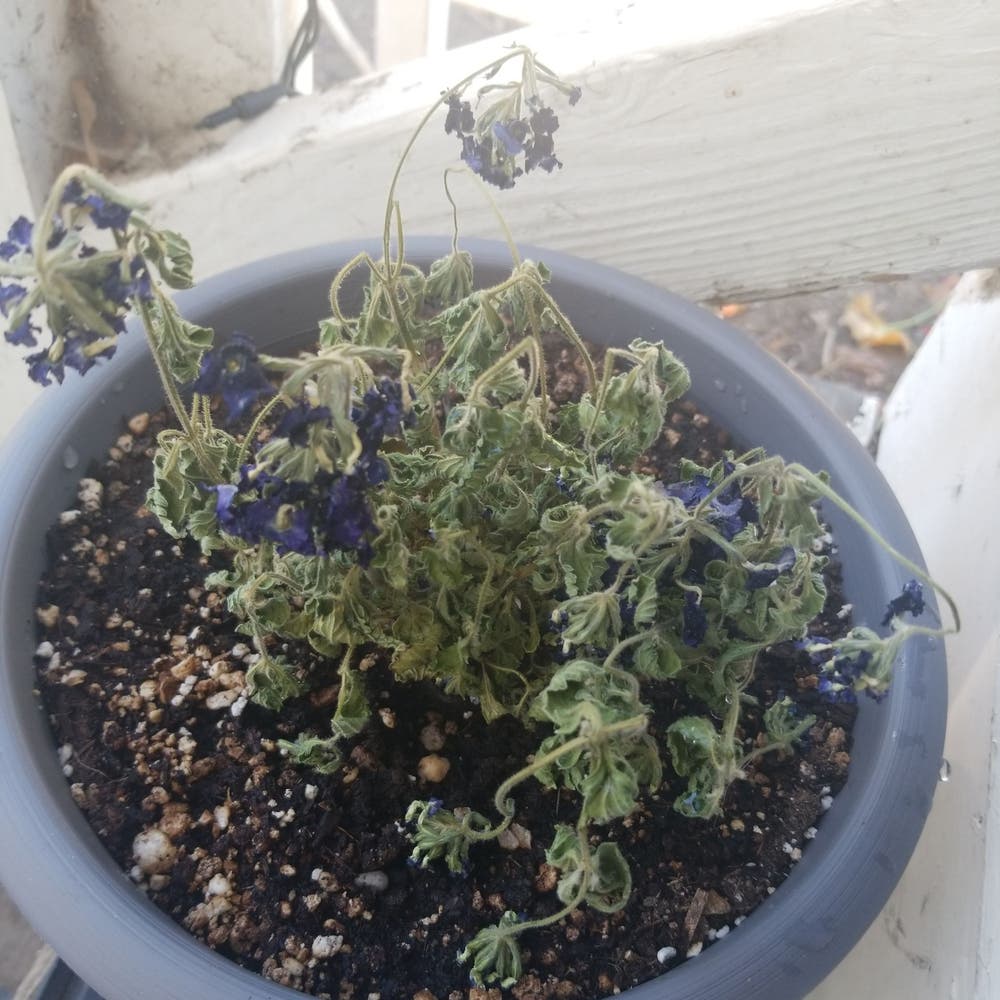
💧 How to Fix Root Rot in Your White Verbena
Verbena x hybrida
By the Greg Editorial Team
Oct 20, 2024•5 min read
This article was created with the help of AI so we can cover more plants for you. May contain errors. See one? Report it here.
Transform your white verbena's health 🌱 by mastering root rot diagnosis and prevention techniques for thriving plants!
- 🌱 Identify root rot early by spotting drooping or yellowing leaves on white verbena.
- 🧪 Check soil moisture with your finger; keep it slightly moist, not soggy.
- ✂️ Trim damaged roots and repot in fresh, well-draining soil for recovery.
Diagnosing Root Rot
👀 Visual Signs to Look For
Identifying root rot starts with observing your white verbena's leaves. Look for signs like drooping, yellowing, or browning edges, which indicate stress.
Next, check the soil's appearance. If it feels consistently wet or soggy, that's a red flag for potential root rot.
🔍 Soil Testing for Moisture Levels
To assess moisture levels, use simple techniques like the finger test or a moisture meter. Aim to keep the soil slightly moist but never saturated.
Timing is crucial; always check moisture before watering to avoid overwatering, which can exacerbate root rot.
🧑🔬 Root Examination Techniques
When diagnosing root rot, gently remove the plant from its pot. This allows you to inspect the roots closely.
Look for healthy white roots versus dark, mushy ones. Also, assess the soil condition for any compacted or waterlogged areas that could contribute to the problem.
By recognizing these signs and techniques, you can effectively diagnose root rot in your white verbena. This knowledge sets the stage for effective treatment and recovery.
Treating Root Rot
Step-by-Step Treatment Process 🌱
- Remove the plant from its pot: Carefully extract the plant to avoid causing further damage to the roots.
- Clean the roots: Use sterilized scissors to trim away all affected roots, ensuring you eliminate any dark, mushy sections.
- Disinfect the pot: Prepare a bleach solution to disinfect the pot, killing any lingering pathogens that could harm your plant.
- Repot in fresh soil: Choose a well-draining potting mix designed for container gardening to give your white verbena a fresh start.
Recommended Fungicides or Treatments 🧪
- Types of fungicides: Familiarize yourself with systemic fungicides, which work from within the plant, versus contact fungicides that act on the surface.
- Application methods: You can either drench the soil with fungicide or spray it directly on the foliage, depending on the product instructions.
- Organic alternatives: Consider using natural treatments like neem oil or cinnamon powder, which can effectively combat root rot without harsh chemicals.
Repotting Techniques for Affected Plants 🌍
- Choosing the right pot: Always ensure your new pot has adequate drainage holes to prevent future waterlogging.
- Soil preparation: Enhance drainage by mixing in perlite or sand with your potting soil, promoting a healthier root environment.
- Planting depth: When repotting, position the plant at the same depth as before to maintain its stability and health.
By following these steps, you can effectively treat root rot and give your white verbena a chance to thrive again. Next, let’s explore how to prevent root rot from occurring in the first place.
Preventing Root Rot
🌊 Best Practices for Watering White Verbena
To keep your white verbena thriving, focus on proper watering practices. Allow the top inch of soil to dry out between waterings to prevent sogginess.
Adjust your watering frequency with the seasons. In cooler months, reduce the amount of water to avoid over-saturation.
When watering, aim for the base of the plant. This technique minimizes leaf wetness, which can lead to fungal issues.
🕳️ Importance of Soil Drainage
Soil drainage is crucial for preventing root rot. Always select pots with drainage holes to allow excess water to escape.
Choose a soil mix that promotes aeration and drainage. A well-aerated mix helps roots breathe and prevents waterlogging.
Regularly check for blockages in your pots. This simple step can save your plants from drowning in stagnant water.
🪴 Choosing the Right Potting Mix
Opt for commercial potting mixes designed specifically for container gardening. These mixes often contain ingredients that enhance drainage.
If you prefer a DIY approach, create your own mix using peat, perlite, and compost. This combination provides both nutrients and drainage.
Lastly, keep an eye on soil pH. Maintaining a pH between 6.0 and 7.0 ensures your white verbena remains healthy and vibrant.
By implementing these preventive measures, you can significantly reduce the risk of root rot in your white verbena. Next, let’s explore how to monitor your plant's health effectively.
Monitoring Plant Health
Signs of Recovery from Root Rot 🌱
After addressing root rot, keep an eye out for signs of recovery. Look for new growth, such as fresh leaves or flowers, which indicates your white verbena is bouncing back.
Improved leaf color is another positive sign. If the leaves transition from yellow to a vibrant green, your plant is regaining its health.
Ongoing Care Tips Post-Treatment 💧
Establish a regular watering schedule tailored to your plant's needs. Adjust your watering frequency based on environmental conditions to avoid over or under-watering.
Fertilization plays a crucial role in recovery. Use a balanced fertilizer to provide essential nutrients that support your plant's healing process.
Ensure your white verbena receives adequate sunlight and airflow. These environmental adjustments can significantly enhance recovery and overall health.
Regular Maintenance to Prevent Recurrence 🔍
Routine inspections are vital. Regularly check your plant for any signs of stress or disease to catch issues early.
Seasonal care adjustments are also important. Modify your care practices based on seasonal changes to keep your plant thriving year-round.
Lastly, consider utilizing educational resources like plant care apps. These tools can offer reminders and tips to help you maintain your white verbena's root health effectively.
By monitoring your plant's health and implementing these ongoing care strategies, you can foster a thriving environment for your white verbena. Next, let’s explore how to prevent root rot from occurring in the first place.
⚠️ Safety First
This content is for general information and may contain errors, omissions, or outdated details. It is not medical, veterinary advice, or an endorsement of therapeutic claims.
Always consult a qualified healthcare professional before using any plant as food, medicine, or supplement.
Never eat any plant (or feed one to pets) without confirming its identity with at least two trusted sources.
If you suspect poisoning, call Poison Control (800) 222-1222, the Pet Poison Helpline (800) 213-6680, or your local emergency service immediately.
Spotted an error? Please report it here.
Revive your white verbena from root rot and keep it thriving 🌿 with Greg's tailored care reminders and expert tips that ensure your plant stays healthy and vibrant!