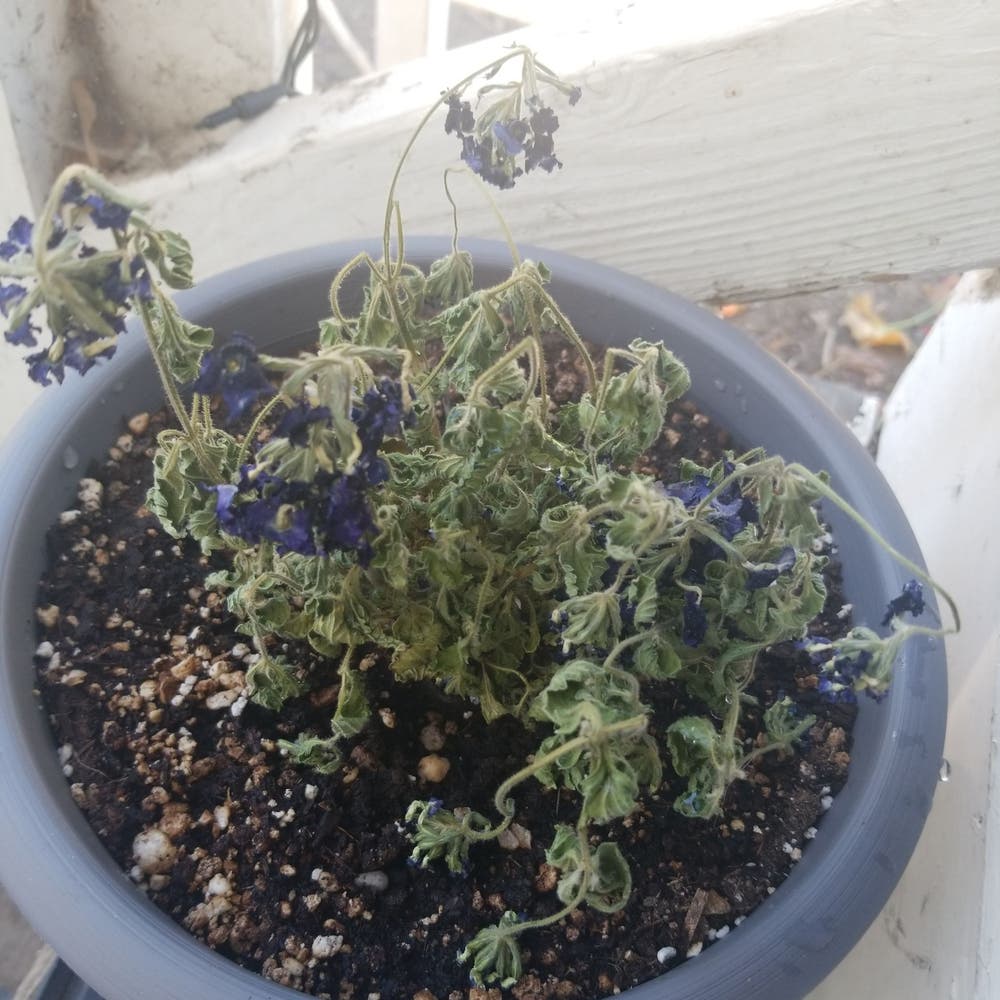
🌼 5 Tips for Choosing Soil for Your White Verbena
Verbena x hybrida
By the Greg Editorial Team
Oct 20, 2024•6 min read
This article was created with the help of AI so we can cover more plants for you. May contain errors. See one? Report it here.
Unlock vibrant white verbena blooms 🌼 by mastering soil health with these essential tips and solutions!
- 🌱 Healthy soil is crucial—watch for mold and compaction to ensure white verbena thrives.
- ⚖️ Maintain pH between 6.0-7.0 for optimal nutrient absorption and plant health.
- 🧪 Regular soil testing helps monitor pH and nutrients for vibrant white verbena growth.
Identifying Unhealthy Soil
Signs of Unhealthy Soil 🌱
Moldy Soil
Moldy soil is often a clear indicator of trouble. Look for white or gray mold growth on the surface, which typically arises from overwatering, poor drainage, and lack of aeration.
Soil Compaction
Soil compaction can severely hinder your plants' growth. Symptoms include hard, dense soil that restricts root expansion, often caused by heavy foot traffic or insufficient organic matter.
How to Test Soil Health for White Verbena 🧪
Testing your soil is crucial for maintaining healthy white verbena. Use soil testing kits to check key indicators such as pH, nutrient levels, and moisture content.
Solutions for Common Soil Problems 🛠️
Moldy Soil Solutions
If you encounter moldy soil, immediate action is necessary. Remove the affected soil and improve drainage to prevent future issues.
For long-term health, adjust your watering practices and increase aeration. This will create a more favorable environment for your plants.
Compacted Soil Solutions
To alleviate compacted soil, consider using aeration tools and methods. These techniques can help restore the soil's structure and improve root growth.
Additionally, adding organic matter is essential for enhancing soil quality. It not only improves drainage but also enriches the soil with nutrients.
By identifying and addressing these soil issues, you can create a thriving environment for your white verbena. Next, let’s explore the recommended soil pH levels for optimal growth.
Recommended Soil pH Levels for Optimal Growth
Maintaining the right soil pH is crucial for the health of your white verbena. The optimal pH range for these vibrant plants is between 6.0 and 7.0, which is slightly acidic to neutral.
🌱 Impact of pH on Nutrient Availability
Soil pH significantly affects nutrient availability. If the pH is too high or too low, your verbena may struggle to absorb essential nutrients, leading to poor growth and vitality.
🔬 Testing Soil pH
To ensure your soil is within the ideal range, regular testing is essential. You can use soil testing kits, which are widely available and user-friendly, to measure pH accurately.
- Recommended tools: Look for kits that provide clear instructions and reliable results.
- Methods: Follow the kit's guidelines for sampling and testing to get the best insights into your soil's health.
Understanding and managing soil pH not only enhances your verbena's growth but also fosters a thriving garden environment. With this knowledge, you're well on your way to cultivating beautiful blooms.
Next, let’s explore how to create a homemade soil mix that supports your white verbena's needs.
Creating a Homemade Soil Mix
🥗 Ingredients for an Ideal Homemade Soil Mix
Creating the perfect soil mix for your white verbena is essential for healthy growth. Aim for a blend that includes 50% high-quality potting soil, 30% perlite or coarse sand for drainage, and 20% organic compost for nutrients.
Each component plays a vital role: the potting soil provides a nutrient-rich base, perlite or sand enhances drainage, and organic compost boosts nutrient content. This combination ensures your verbena thrives in a well-balanced environment.
🛠️ Step-by-Step Guide to Mixing Soil for White Verbena
Mixing your own soil is straightforward and rewarding. Follow these easy steps:
- Gather materials: Collect potting soil, perlite, and compost.
- Mix ingredients in a large container: Combine them thoroughly for even distribution.
- Check texture: Aim for a light, crumbly consistency that promotes root growth.
This simple process allows you to customize your soil mix to meet the specific needs of your white verbena.
🔧 Tips for Adjusting Soil Texture and Nutrients
Assessing your soil texture is crucial for optimal plant health. If it feels too dense or compact, consider making adjustments.
Incorporate additional perlite for drainage or more compost for nutrients as needed. Regularly monitoring nutrient levels will help you maintain a thriving environment for your verbena.
By keeping an eye on these factors, you can ensure your homemade soil mix remains effective and supportive throughout the growing season.
With your soil mix ready, you're well on your way to nurturing vibrant white verbena. Next, let's explore the recommended soil pH levels for optimal growth.
Soil Amendments and Enhancements
Recommended Amendments for Improving Soil Quality 🌱
To boost soil quality for your white verbena, consider adding organic matter like compost and well-rotted manure. These amendments enrich the soil, enhancing its structure and nutrient content.
In addition to organic matter, minerals play a crucial role. Incorporating lime or sulfur can help adjust soil pH, ensuring optimal nutrient availability for your plants.
How to Incorporate Organic Matter into Verbena Soil 🛠️
When mixing organic matter into your verbena soil, you have two main techniques: layering or thorough mixing. Layering involves adding organic matter on top, while mixing ensures even distribution throughout the soil.
Timing is essential for maximum benefit. The best times to amend your soil are during the growing season or just before planting, allowing the organic matter to integrate effectively.
Benefits of Using Fertilizers in Soil for White Verbena 🌼
Fertilizers can significantly enhance the growth of your white verbena. You can choose between slow-release fertilizers, which provide nutrients over time, and liquid fertilizers, which offer immediate nourishment.
For optimal growth, aim for an NPK ratio of around 10-10-10. This balanced nutrient profile supports healthy foliage and vibrant blooms.
Application methods matter too. Whether you opt for granular or liquid forms, ensure even distribution to avoid nutrient burn and promote healthy growth.
By understanding and implementing these soil amendments and enhancements, you set the stage for thriving white verbena. Next, let’s explore seasonal soil considerations to keep your plants flourishing year-round.
Seasonal Soil Considerations
Adjusting Soil Care with Changing Seasons 🌦️
As the seasons change, so should your approach to soil care. In the fall, it's crucial to amend your soil before winter sets in, ensuring it remains healthy and nutrient-rich.
During the summer, focus on maintaining adequate drainage and moisture levels. This balance is vital for the thriving growth of your white verbena.
Preparing Soil for Winter Dormancy ❄️
Winterizing your soil is essential for protecting its structure. Techniques like mulching and covering can shield it from harsh conditions.
These practices help retain moisture and prevent erosion, ensuring your soil is ready for spring.
Spring Soil Preparation for Optimal Growth 🌱
Early spring is the perfect time to test your soil's pH and nutrient levels. This proactive step sets the stage for vibrant growth.
Consider refreshing organic matter and nutrients during this season. Adding compost or other amendments can significantly enhance soil quality, giving your white verbena the best chance to flourish.
With these seasonal considerations, you’ll create a thriving environment for your plants. Next, let’s explore how to create a homemade soil mix tailored for your white verbena.
⚠️ Safety First
This content is for general information and may contain errors, omissions, or outdated details. It is not medical, veterinary advice, or an endorsement of therapeutic claims.
Always consult a qualified healthcare professional before using any plant as food, medicine, or supplement.
Never eat any plant (or feed one to pets) without confirming its identity with at least two trusted sources.
If you suspect poisoning, call Poison Control (800) 222-1222, the Pet Poison Helpline (800) 213-6680, or your local emergency service immediately.
Spotted an error? Please report it here.
Cultivate stunning blooms for your white verbena by using Greg's tailored soil tips and testing reminders to create the ideal environment for growth! 🌼