🌼 10 Factors for Optimal White Verbena Growth
Verbena x hybrida
By the Greg Editorial Team
Oct 20, 2024•5 min read
This article was created with the help of AI so we can cover more plants for you. May contain errors. See one? Report it here.
Unlock a garden of vibrant white verbena 🌼 with essential care tips for stunning blooms all season long!
- ☀️ White verbena thrives with 6-8 hours of sunlight daily for optimal growth.
- 🌡️ Ideal temperatures for growth are between 20°C to 30°C (68°F to 86°F).
- 🌱 Well-draining sandy loam soil is essential for healthy root development and vibrant blooms.
Choosing the Right Location
🌞 Sunlight Requirements
For optimal white verbena growth, ensure your plants receive full sun exposure. Aim for 6-8 hours of direct sunlight daily to boost flower production and overall health.
🌡️ Ideal Temperature and Climate Conditions
White verbena thrives in warm climates, with an optimal temperature range of 20°C to 30°C (68°F to 86°F). Once established, it shows impressive drought tolerance, making it a great choice for xeriscaping.
In cooler climates, consider growing white verbena as an annual or in containers for easy mobility. This allows you to move them to sunnier spots as needed, ensuring they get the warmth they crave.
With the right location secured, you're well on your way to nurturing vibrant white verbena. Next, let’s dive into soil preparation to set the stage for their growth.
Soil Preparation
Soil Type and pH Preferences 🌱
For optimal white verbena growth, start with well-draining sandy loam soil. This type allows for adequate moisture retention while preventing waterlogging, which is crucial for healthy roots.
Aim for a soil pH between 6.0 and 7.5. This range ensures that your plants can absorb essential nutrients effectively, promoting vibrant blooms and robust growth.
Enhancing Soil Drainage and Fertility 💧
Good drainage is vital to prevent root rot, a common issue for verbena. Without proper drainage, your plants can suffer, leading to stunted growth or even death.
To improve drainage, consider adding perlite or sand to your soil mix. These materials create air pockets that facilitate water movement, ensuring your verbena thrives.
Organic Amendments for Optimal Growth 🌿
Incorporating organic amendments can significantly enhance soil fertility. Compost or well-rotted manure are excellent choices, providing essential nutrients that promote healthy growth.
Prepare your soil at least two weeks before planting. This gives the amendments time to integrate, creating a nutrient-rich environment for your white verbena.
With the right soil preparation, your verbena will be set for success. Next, let’s explore the best planting techniques to ensure your plants flourish.
Planting Techniques
Best Planting Times 🌱
Spring is the ideal season for planting white verbena, specifically after the last frost. Timing can vary based on your climate, so be sure to check local frost dates to ensure optimal growth.
Spacing and Depth Considerations 📏
For healthy air circulation, space your verbena plants 12 to 18 inches apart. When planting, ensure they are set 1 to 2 inches below the soil surface for proper root establishment.
Container vs. Ground Planting 🪴
Container gardening offers the advantage of mobility, allowing you to control soil conditions easily. On the other hand, ground planting promotes natural growth and attracts beneficial pollinators, creating a vibrant garden ecosystem.
With these planting techniques in mind, you’re well on your way to cultivating thriving white verbena. Next, let’s dive into the essential aspects of watering and fertilizing to keep your plants flourishing.
Watering and Fertilizing
💧 Watering Frequency and Techniques
Watering your white verbena starts with a deep soak right after planting. This initial watering helps establish roots, setting the stage for healthy growth.
During dry spells, aim to water weekly, but let the soil dry out between sessions. This balance prevents waterlogged roots while ensuring your plants stay hydrated.
🚨 Signs of Overwatering or Underwatering
Keep an eye on your plants for signs of overwatering, like yellowing leaves or root rot. These symptoms indicate that your verbena is drowning and needs less water.
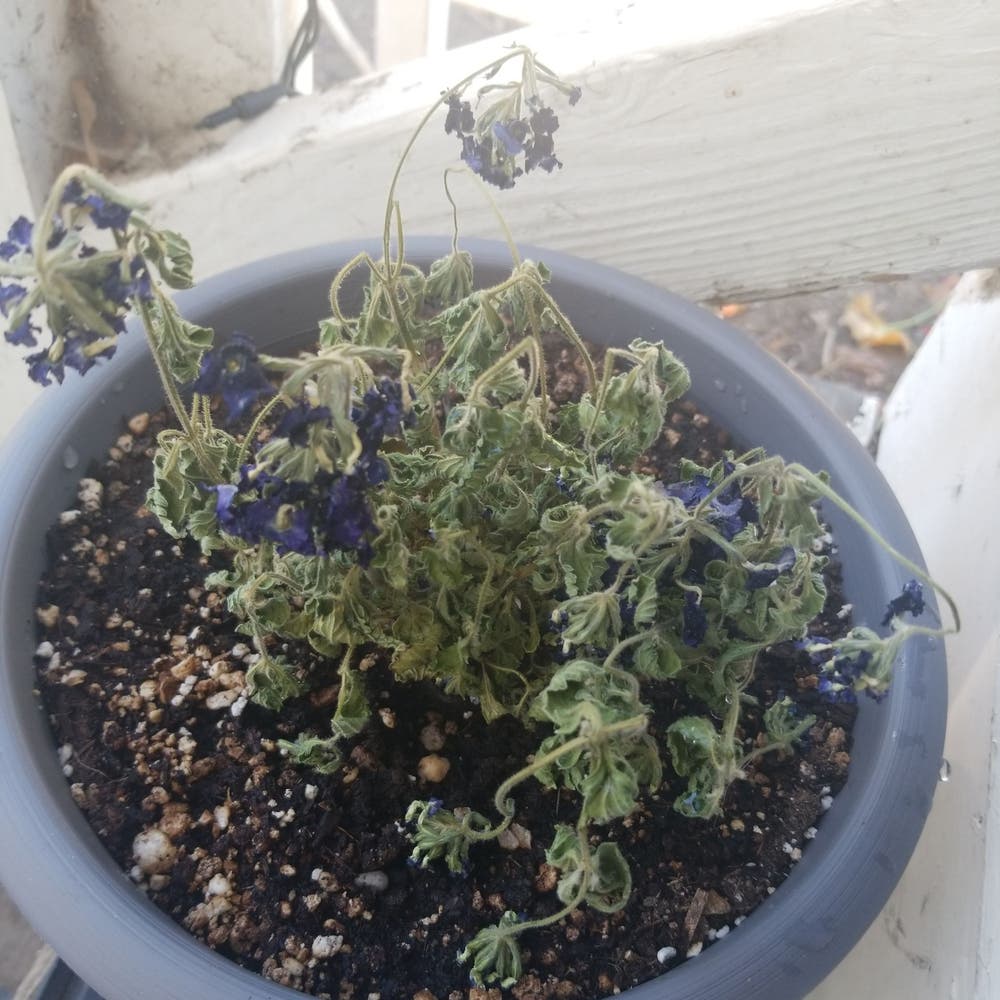
On the flip side, underwatering shows up as wilting or dry leaf edges. If you notice these signs, it’s time to adjust your watering routine.
🌱 Recommended Fertilizers and Feeding Schedule
Fertilizing your white verbena is essential for vibrant blooms. Aim to fertilize every 4-6 weeks during the growing season for optimal results.
Choose balanced NPK fertilizers or slow-release formulations to provide steady nutrients. This approach supports robust growth and keeps your plants thriving.
With proper watering and fertilizing, your white verbena will flourish beautifully. Next, let’s explore the art of pruning and maintenance to keep your plants in top shape.
Pruning and Maintenance
When and How to Prune 🌱
Pruning white verbena is essential for promoting healthy growth. Aim to prune in early spring, just before new growth begins, cutting back the plants to about 6-8 inches.
This technique encourages bushier growth and more prolific blooming. Regular pruning not only shapes the plant but also helps maintain its vigor.
Deadheading for Continuous Blooms 🌼
Deadheading is a crucial practice for keeping your verbena blooming throughout the season. By pinching off spent flowers, you prevent seed formation and stimulate the plant to produce new blooms.
This simple task can significantly enhance the visual appeal of your garden. Plus, it keeps your verbena looking fresh and vibrant.
Seasonal Maintenance Tips 🍂
Seasonal care is vital for the longevity of your white verbena. In the fall, cut back the plants to prevent winter damage, ensuring they are ready to thrive come spring.
During spring, focus on fertilizing and checking for pests. This proactive approach sets the stage for a flourishing growing season.
With proper pruning and maintenance, your white verbena will not only survive but thrive, bringing beauty to your garden. Next, let’s explore common challenges and solutions to keep your plants healthy and vibrant.
⚠️ Safety First
This content is for general information and may contain errors, omissions, or outdated details. It is not medical, veterinary advice, or an endorsement of therapeutic claims.
Always consult a qualified healthcare professional before using any plant as food, medicine, or supplement.
Never eat any plant (or feed one to pets) without confirming its identity with at least two trusted sources.
If you suspect poisoning, call Poison Control (800) 222-1222, the Pet Poison Helpline (800) 213-6680, or your local emergency service immediately.
Spotted an error? Please report it here.
Unlock vibrant blooms with your white verbena 🌼 by using Greg's tailored care reminders and expert tips to ensure your plants thrive all season long!