🌼 When and How to Water Your White Verbena
Verbena x hybrida
By the Greg Editorial Team
Oct 20, 2024•5 min read
This article was created with the help of AI so we can cover more plants for you. May contain errors. See one? Report it here.
Unlock vibrant blooms for your white verbena 🌸 by mastering the perfect watering routine for year-round health!
- 💧 Water established white verbena every 1-2 weeks; newly planted need weekly care.
- 🌱 Soil type affects watering frequency; well-drained soils require less water.
- 📅 Adjust watering with seasons; increase in spring/summer, reduce in fall/winter.
Ideal Watering Frequency
💧 General Watering Guidelines
Watering your white verbena is crucial for its health and vitality. For established plants, aim to water every 1-2 weeks, while newly planted ones need weekly watering until they establish roots.
Several factors can influence how often you water. The type of soil plays a significant role; well-drained soils require less frequent watering compared to heavy soils. Additionally, weather conditions can dictate your schedule—hot, dry spells will demand more water, while cooler, humid periods may allow for less.
🌦️ Seasonal Variations
As the seasons change, so should your watering routine. In spring and summer, when growth and flowering peak, you’ll need to increase your watering frequency to keep your verbena thriving.
Conversely, fall and winter bring a natural slowdown. During these months, reduce watering as your plants enter dormancy. Always keep an eye on local rainfall patterns; adjusting your frequency based on weather can help maintain optimal moisture levels.
With these guidelines in mind, you’ll be well-equipped to keep your white verbena healthy and flourishing. Next, let’s explore how to recognize watering issues to ensure your plants remain in top shape.
Recognizing Watering Issues
🚰 Signs of Over-Watering
Over-watering can be a sneaky problem for your white verbena. Look for yellowing leaves, which often indicate root stress.
If your plant is wilting despite wet soil, it could be suffering from root rot. Additionally, mold or algae on the soil surface signals excess moisture that needs addressing.
💧 Signs of Under-Watering
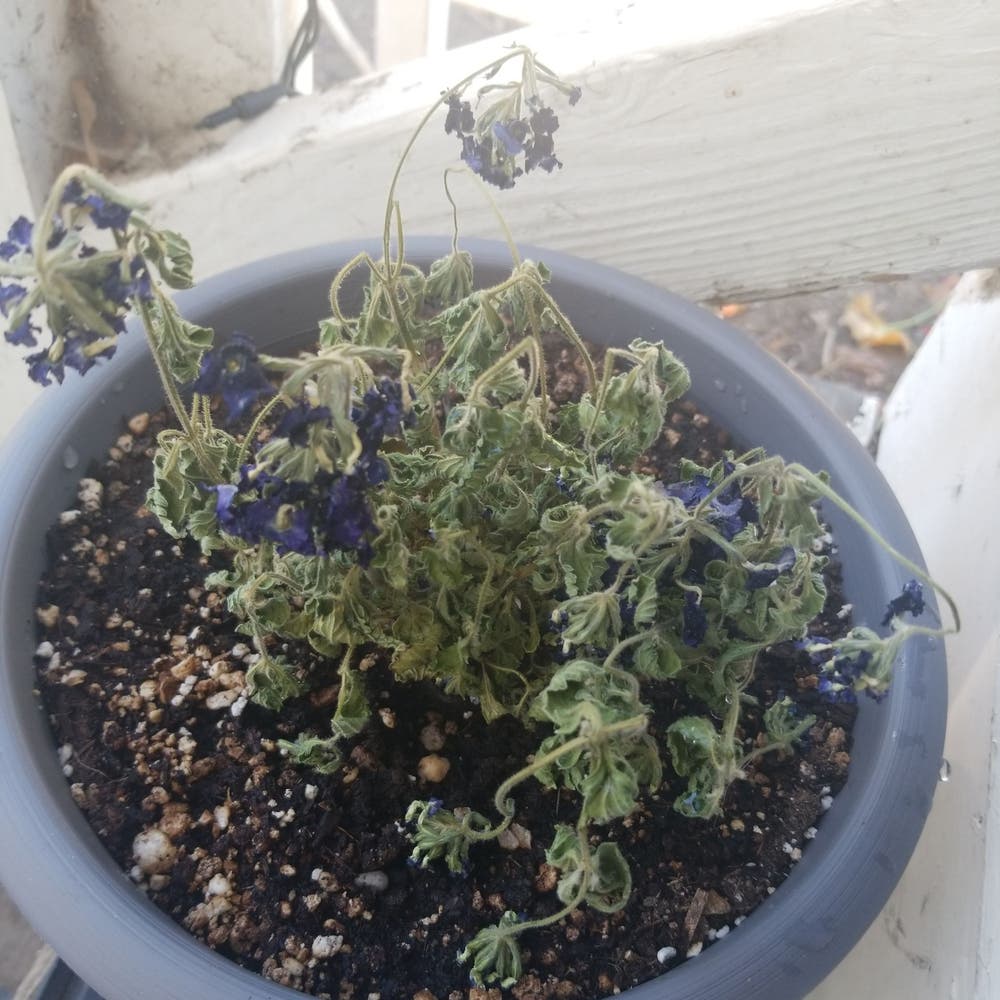
On the flip side, under-watering presents its own set of challenges. Crispy, brown leaf edges are a clear sign of dehydration.
Drooping or wilting leaves indicate a lack of moisture in the soil. You might also notice the soil pulling away from the pot edges, which suggests dry conditions.
🛠️ Correcting Over-Watering
If you suspect over-watering, start by assessing drainage. Ensure your pots have drainage holes to prevent water from pooling.
Next, adjust your watering schedule to reduce frequency. Finally, consider improving soil drainage by adding perlite or sand for better aeration.
🌊 Correcting Under-Watering
To correct under-watering, water thoroughly until moisture drains from the bottom of the pot. This ensures the roots get the hydration they need.
Increase your watering frequency based on environmental conditions, especially during hot spells. Using mulch can also help retain moisture in the soil, making it easier for your plants to thrive.
Recognizing and addressing these watering issues will keep your white verbena healthy and vibrant. Next, let’s explore effective watering techniques to ensure your plants get the moisture they need.
Watering Techniques
Bottom-Watering Method 🌊
Watering from the bottom is a fantastic technique that allows your white verbena to absorb moisture directly through its drainage holes. This method ensures that the roots receive the hydration they need without the risk of over-saturating the soil.
Steps for Bottom-Watering:
- Fill a basin with water.
- Place the pot in the basin for 30 minutes.
- Remove the pot and allow any excess water to drain out.
This approach not only promotes healthy root growth but also helps prevent common watering issues.
Self-Watering Pots 💧
Self-watering pots are a game-changer for busy gardeners. These pots come equipped with a reservoir that allows plants to draw moisture as needed, making them an excellent choice for those with unpredictable schedules.
Advantages of Self-Watering Pots:
- Reduces the frequency of watering.
- Maintains consistent moisture levels.
- Ideal for gardeners who may forget to water regularly.
By utilizing self-watering pots, you can ensure your white verbena stays hydrated without the constant worry of checking moisture levels.
Transitioning to effective watering techniques can significantly enhance your plant care routine. Next, let’s explore how to measure soil moisture accurately to keep your plants thriving.
Measuring Soil Moisture
🛠️ Tools for Measuring Soil Moisture
To ensure your white verbena thrives, measuring soil moisture is essential. A soil moisture meter provides accurate readings, helping you determine when to water.
Alternatively, the finger test is a simple yet effective method. Just insert your finger 1-2 inches into the soil to check for moisture.
📏 How to Check Soil Moisture Levels
Using a moisture meter is straightforward. Follow the manufacturer's instructions for the best results.
For the finger test, simply insert your finger into the soil and assess the moisture. If it feels dry, it’s time to water.
🌊 Best Practices for Maintaining Moisture Balance
Regularly check moisture levels at least once a week. This proactive approach helps you respond to your plant's needs effectively.
Adjust your watering based on these readings. Also, consider environmental factors like temperature and humidity, as they can significantly affect moisture retention.
By keeping an eye on soil moisture, you can ensure your white verbena remains healthy and vibrant. Next, let’s explore effective watering reminders to keep your plant care routine on track.
Watering Reminders
🌱 Using the Greg Plant Care App
The Greg Plant Care App is an AI-powered tool designed to simplify plant care management. With its user-friendly interface, you can easily set up customized watering reminders tailored to your white verbena's specific needs.
📅 Setting Up a Watering Schedule
To ensure your plants thrive, adjust the watering frequency based on seasonal changes and growth stages. The app also allows you to sync with local weather conditions, helping you adapt your schedule to rainfall and temperature fluctuations.
💧 Tracking Moisture Levels with the App
Keep track of soil moisture over time by logging moisture readings directly in the app. This feature enables you to fine-tune your watering schedule, ensuring your white verbena receives the optimal amount of water for healthy growth.
By utilizing these reminders and tracking tools, you'll cultivate a thriving garden with ease. Next, let’s explore effective watering techniques to enhance your plant care routine.
⚠️ Safety First
This content is for general information and may contain errors, omissions, or outdated details. It is not medical, veterinary advice, or an endorsement of therapeutic claims.
Always consult a qualified healthcare professional before using any plant as food, medicine, or supplement.
Never eat any plant (or feed one to pets) without confirming its identity with at least two trusted sources.
If you suspect poisoning, call Poison Control (800) 222-1222, the Pet Poison Helpline (800) 213-6680, or your local emergency service immediately.
Spotted an error? Please report it here.
Keep your white verbena thriving 🌱 by using Greg's customized watering reminders and moisture tracking to ensure perfect hydration all year round!