🌼 White Verbena Hardiness Zones Ultimate Guide: 9a-11b
Verbena x hybrida
By the Greg Editorial Team
Oct 20, 2024•5 min read
This article was created with the help of AI so we can cover more plants for you. May contain errors. See one? Report it here.
Unlock vibrant blooms of White Verbena 🌼 by mastering its temperature needs and ideal growing conditions!
- 🌞 White Verbena thrives in zones 9a-11b, perfect for warmer climates.
- ❄️ Frost protection is vital; use cloths or bring potted plants indoors.
- 🌱 Well-draining soil and full sun ensure optimal growth and flowering.
White Verbena Temperature Tolerance
❄️ Cold Tolerance Specifics
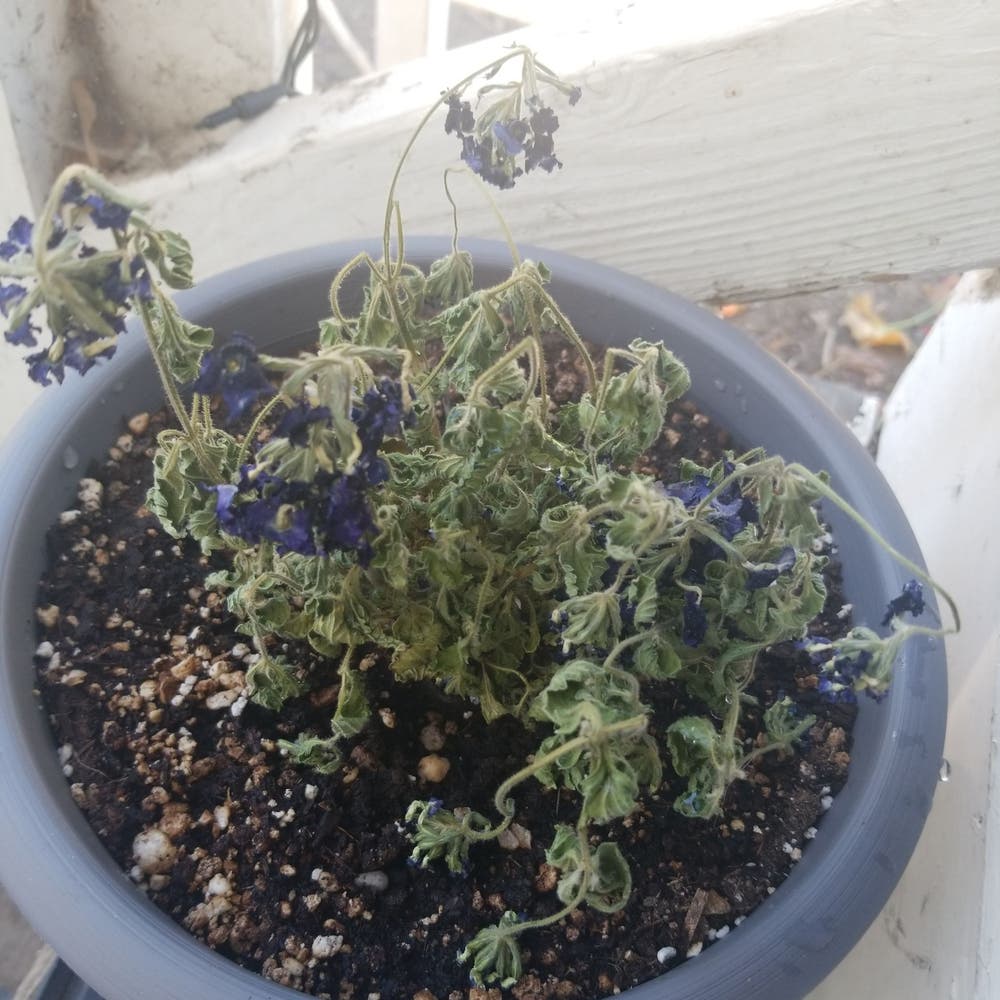
White Verbena can tolerate temperatures down to about 25°F, but anything below that can be detrimental. Frost can severely stunt growth, leading to wilting and even death if not addressed promptly.
To protect your White Verbena from frost damage, consider covering them with frost cloths or bringing potted plants indoors during cold snaps. Mulching around the base can also provide insulation against sudden temperature drops.
☀️ Heat Tolerance Specifics
On the flip side, White Verbena thrives in heat, with maximum temperature thresholds around 95°F. Their ability to adapt includes deep root systems that access moisture, allowing them to flourish even in high temperatures.
Drought resistance is crucial for White Verbena in these conditions. This trait not only helps them survive but also encourages vibrant blooms, making them a favorite in sunny gardens.
🌱 Ideal Temperature Ranges for Growth
The optimal temperature range for White Verbena lies between 60°F and 85°F. Within this range, they exhibit robust growth and abundant flowering.
Temperature fluctuations can impact flowering, often causing delays or reduced bloom size. Seasonal considerations, like ensuring consistent watering during hot months, are essential for successful cultivation.
Ideal Growing Regions for White Verbena
🌎 Examples of US States in Suitable Zones (9a-11b)
White Verbena flourishes in several states, particularly California, Florida, and Texas. These regions provide the warm temperatures and favorable conditions essential for robust growth.
In California, areas like Southern California's coastal regions are ideal. The mild winters and warm summers create a perfect environment for White Verbena to thrive.
Florida's subtropical climate also supports this plant well. Regions such as Miami and Orlando offer the warmth and humidity that White Verbena loves.
Texas, especially in the southern parts, provides a similar climate. Cities like San Antonio and Houston have the right conditions for these vibrant flowers to flourish.
🌱 Factors Contributing to Ideal Growing Conditions
Soil type plays a crucial role in the success of White Verbena. Well-draining soil is essential to prevent root rot and ensure healthy growth.
Sunlight exposure is another key factor. White Verbena requires full sun for optimal flowering, so choosing a location that receives at least six hours of direct sunlight daily is vital.
Local rainfall patterns also impact the plant's drought resistance. Regions with consistent rainfall can support White Verbena without additional irrigation, while drier areas may require supplemental watering to maintain health.
Understanding these factors can significantly enhance your chances of cultivating thriving White Verbena in your garden. With the right conditions, you can enjoy a stunning display of blooms throughout the growing season.
As we explore further, let’s dive into how microclimates can influence the growth of White Verbena beyond typical hardiness zones.
Microclimates and Their Impact
🌤️ How Microclimates Can Extend Growing Zones
Microclimates are localized areas where the climate differs from the surrounding region. These pockets of unique conditions can enable White Verbena to flourish even outside its typical hardiness zones.
Urban gardening is a prime example of how microclimates can be created. Buildings, pavements, and other structures absorb heat, providing a warmer environment that can protect plants from colder temperatures.
🌿 Examples of Microclimates That Benefit White Verbena
In southern California, coastal areas often experience milder temperatures and less frost. This makes them ideal for growing White Verbena, even in regions that might otherwise be too cool.
To identify and utilize microclimates, look for areas that receive more sunlight or are sheltered from harsh winds. Observing local weather patterns can also help you pinpoint the best spots for your plants.
By understanding and leveraging these microclimates, you can significantly enhance your chances of successful White Verbena cultivation. This knowledge not only empowers your gardening efforts but also fosters a deeper connection to your local environment.
As we explore the ideal growing regions for White Verbena, keep in mind how these microclimates can play a crucial role in your gardening success.
State-Level Suitability Analysis
List of States Suitable for White Verbena (9a-11b) 🌼
White Verbena flourishes in several states within hardiness zones 9a to 11b. Here’s a closer look at some of the best options:
California: Known for its Mediterranean climate, California offers warm, dry summers and mild winters, making it ideal for White Verbena. Coastal areas, in particular, provide the perfect balance of sun and moisture.
Florida: With its subtropical climate, Florida provides the warmth and humidity that White Verbena loves. The long growing season allows for continuous blooming.
Texas: In Texas, especially in the southern regions, the hot summers and mild winters create a favorable environment for White Verbena. The diverse climates across the state can support various growing conditions.
List of States Unsuitable for White Verbena and Reasons Why 🚫
Not all states are conducive to growing White Verbena. Here are some states to avoid:
North Dakota: The harsh winters and frequent frost make it impossible for White Verbena to survive.
Montana: Similar to North Dakota, Montana experiences extreme cold, which poses a significant risk to this plant.
Maine: The short growing season and cold temperatures prevent White Verbena from thriving here.
Cold temperatures and frost risk are the primary limiting factors in these states. White Verbena requires a warmer climate to flourish, and these regions simply don’t provide that.
Discussion of Regional Climate Variations 🌤️
Even within suitable states, regional climate variations can impact White Verbena's success. For example, in California, the coastal regions may have milder temperatures compared to the hotter inland areas.
Southern California: Coastal areas benefit from ocean breezes, which can extend the growing season.
Central Texas: While generally warm, some areas may experience sudden temperature drops, affecting plant health.
Understanding these local climate nuances is crucial for successful gardening. Knowledge of your specific area can help you choose the right varieties and care strategies for optimal growth.
In summary, while White Verbena thrives in specific states, regional differences can significantly influence its success. Being aware of these factors will empower you to cultivate this beautiful plant effectively.
⚠️ Safety First
This content is for general information and may contain errors, omissions, or outdated details. It is not medical, veterinary advice, or an endorsement of therapeutic claims.
Always consult a qualified healthcare professional before using any plant as food, medicine, or supplement.
Never eat any plant (or feed one to pets) without confirming its identity with at least two trusted sources.
If you suspect poisoning, call Poison Control (800) 222-1222, the Pet Poison Helpline (800) 213-6680, or your local emergency service immediately.
Spotted an error? Please report it here.
Cultivating thriving White Verbena 🌼 in hardiness zones 9a to 11b is a breeze with Greg's tailored care reminders and expert tips to help you master its sun and soil needs!