🔍 Ultimate Guide to What's Eating Your White Verbena
Verbena x hybrida
By the Greg Editorial Team
Oct 20, 2024•6 min read
This article was created with the help of AI so we can cover more plants for you. May contain errors. See one? Report it here.
Safeguard your white verbena 🌼 by balancing herbivore threats and attracting beneficial wildlife for a thriving garden!
- 🌼 White verbena attracts herbivores like deer and rabbits, causing significant damage.
- 🦌 Use repellents and barriers to protect white verbena from common pests.
- 🐝 Beneficial insects like butterflies enhance pollination, supporting garden biodiversity.
Description and Appeal of White Verbena
Appearance 🌼
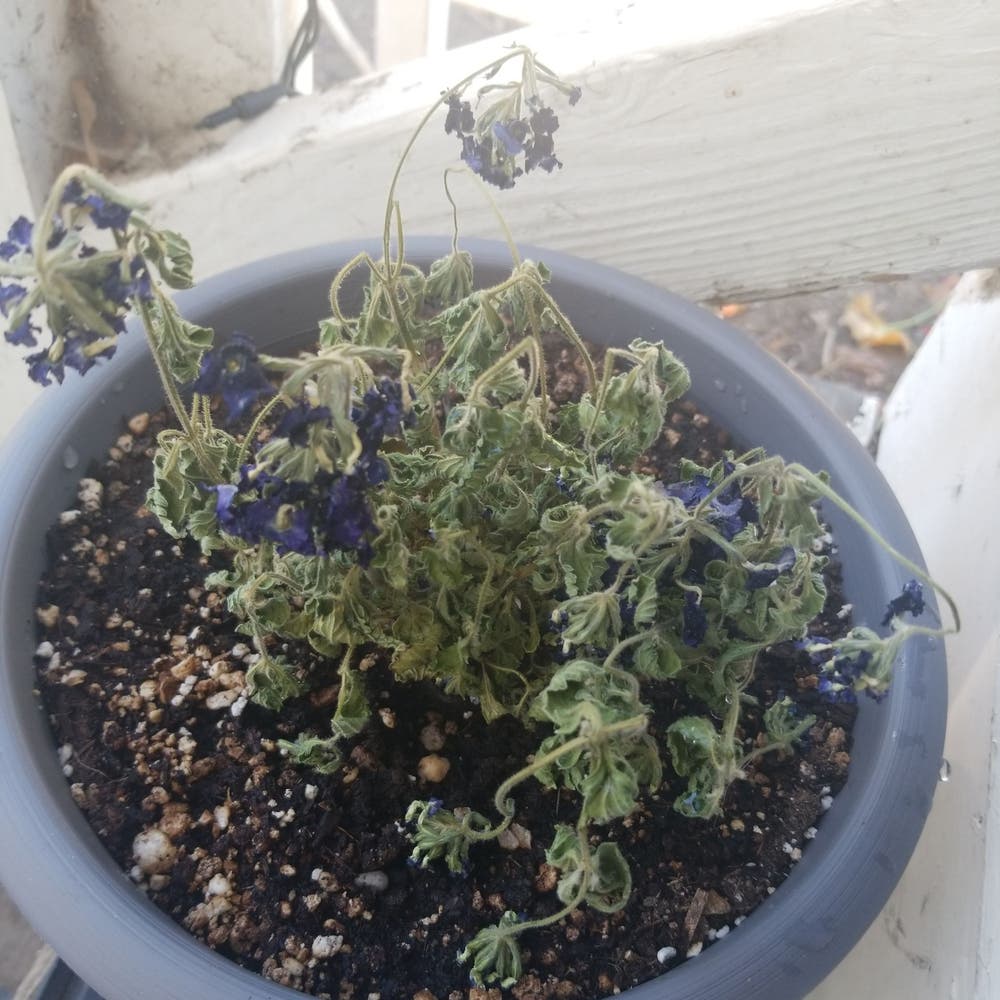
White verbena is a striking plant characterized by its tall, slender stems adorned with clusters of small purple flowers. Typically, it grows between 2 to 4 feet tall, making it a noticeable addition to any garden.
The foliage consists of green, lance-shaped leaves that release a pleasant aroma when crushed. This aromatic quality adds to its charm, inviting both gardeners and curious passersby.
Most Appealing Parts to Animals 🐾
The flowers of white verbena are particularly appealing to herbivores due to their soft texture and high moisture content. This makes them a tempting treat for various animals.
Young shoots are also a favorite, offering tender and nutritious options for hungry herbivores. Their delicate nature makes them especially vulnerable, drawing in a range of wildlife looking for a meal.
As you cultivate your white verbena, keep in mind the delicate balance between its beauty and the creatures it attracts. Understanding this relationship can help you protect your plants while appreciating the ecosystem they support.
Common Herbivores Affecting White Verbena
🦌 Deer
Signs of Presence and Damage
Look for hoof prints in muddy areas near your white verbena. If you notice browsing on leaves and flowers, your plants may be suffering from stunted growth due to deer.
Interaction Type
Deer are generally harmful to white verbena. They can decimate populations if not managed effectively.
Deterrent Methods
To keep deer at bay, consider using commercial deer repellents. Alternatively, planting deer-resistant species nearby or using human hair and soap shavings can also help deter them.
🐇 Rabbits
Signs of Presence and Damage
Rabbits leave small, round droppings and often gnaw on stems. Their chewing on young shoots and flowers can lead to significant plant damage.
Interaction Type
Rabbits are generally harmful, as they can lead to complete defoliation of young plants.
Deterrent Methods
Bitter-tasting sprays can deter rabbits effectively. Additionally, fencing at least 2 feet high and planting rabbit-resistant plants can provide a more organic solution.
🐿️ Squirrels
Signs of Presence and Damage
Look for scratching marks on the soil and chewed stems as signs of squirrel activity. They often strip bark and dig around the base of the plant, causing damage.
Interaction Type
Squirrels are generally harmful, weakening plants and disrupting root systems.
Deterrent Methods
Capsaicin-based sprays can deter squirrels. Installing squirrel-proof feeders can also distract them from your plants.
🐦 Birds
Signs of Presence and Damage
Feathered visitors and peck marks on flowers indicate bird activity. They often eat seeds and flowers, which can reduce flowering potential.
Interaction Type
Birds have a generally neutral interaction with white verbena. While some help with pest control, others may cause damage.
Deterrent Methods
Typically, no chemical deterrents are used for birds. Instead, consider using netting or reflective tape to keep them from feeding.
🐭 Rodents (Mice, Voles, etc.)
Signs of Presence and Damage
Look for small holes in the ground and gnawed stems as signs of rodent activity. They can cause root damage and stem girdling, leading to plant decline.
Interaction Type
Rodents are generally harmful, causing significant plant damage and reducing vigor.
Deterrent Methods
Rodent bait stations can be effective. Alternatively, traps and planting mint or other deterrent plants nearby can provide organic solutions.
🦡 Groundhogs/Woodchucks
Signs of Presence and Damage
Large burrows and clipped plants at ground level are signs of groundhog activity. They can completely remove young plants and flowers.
Interaction Type
Groundhogs are generally harmful and can devastate garden beds if not controlled.
Deterrent Methods
Commercial repellents can help manage groundhogs. For a more organic approach, consider fencing that is 3-4 feet high and planting deterrent plants like garlic.
Understanding these common herbivores and their impact on white verbena is crucial for maintaining healthy plants. With the right deterrent methods, you can protect your garden and enjoy the beauty of your verbena without the threat of herbivorous invaders.
Beneficial Animals and Ecosystem Impact
🦋 Description of Beneficial Animals
White verbena doesn't just attract herbivores; it also draws in a host of beneficial animals. Butterflies and bees flock to its vibrant flowers, playing a crucial role in pollination.
Additionally, beneficial insects like ladybugs and lacewings help keep pest populations in check. Their presence is a natural form of pest control that supports the overall health of your garden.
🌱 Positive Impacts
The impact of these beneficial animals is significant. Enhanced pollination from butterflies and bees leads to better fruit and seed production, ensuring your garden thrives.
Moreover, the predatory insects contribute to a balanced ecosystem. They help manage pest populations, reducing the need for chemical interventions and promoting a healthier environment.
By fostering these beneficial relationships, you not only protect your white verbena but also enhance the biodiversity of your garden. This interconnectedness is vital for maintaining a vibrant and resilient ecosystem.
As we explore further, understanding general strategies for protecting white verbena will be essential for maximizing these benefits.
General Strategies for Protecting White Verbena
🛡️ Preventive Measures
To keep your white verbena thriving, consider planting companion plants that naturally deter herbivores. These plants can create a protective barrier, making your garden less appealing to hungry critters.
Physical barriers, like fencing or netting, are also effective. A well-placed fence can keep larger animals at bay, while netting can protect delicate flowers from birds.
⚠️ Reactive Solutions
Regular monitoring is key to catching any signs of damage early. If you notice any nibbling or wilting, take immediate action to protect your plants.
Utilizing traps or repellents can also be a quick fix. Whether you opt for chemical solutions or organic methods, addressing the issue promptly can save your verbena from further harm.
🌱 Seasonal Variations
Be aware that herbivore activity tends to spike in spring and early summer. During these tender months, your plants are particularly vulnerable, so it's crucial to ramp up your protective measures.
Consider implementing temporary fencing during peak feeding times. This proactive approach can safeguard your plants when they need it most, ensuring they flourish throughout the growing season.
By combining preventive and reactive strategies, you can create a robust defense for your white verbena. This not only protects your plants but also enhances your gardening experience.
Next, let’s explore the role of beneficial animals in your garden and how they can positively impact your white verbena.
Toxicity and Ecological Role
Toxic Effects 🐍
White verbena exhibits mild toxicity, which can deter some herbivores while attracting others. This unique characteristic can create a dynamic balance in your garden, influencing which animals choose to munch on your plants.
Ecological Role 🌱
Herbivores play a crucial role in the ecosystem, acting as a food source for various predator species. This interaction helps maintain a balanced environment, supporting plant health and promoting biodiversity through controlled herbivore populations.
By understanding these ecological relationships, you can appreciate how white verbena fits into the larger picture of your garden's ecosystem. This knowledge empowers you to make informed decisions about managing both beneficial and harmful wildlife interactions.
⚠️ Safety First
This content is for general information and may contain errors, omissions, or outdated details. It is not medical, veterinary advice, or an endorsement of therapeutic claims.
Always consult a qualified healthcare professional before using any plant as food, medicine, or supplement.
Never eat any plant (or feed one to pets) without confirming its identity with at least two trusted sources.
If you suspect poisoning, call Poison Control (800) 222-1222, the Pet Poison Helpline (800) 213-6680, or your local emergency service immediately.
Spotted an error? Please report it here.
Keep your white verbena thriving 🌱 by using Greg's tailored alerts and strategies to fend off herbivores and enhance your garden's biodiversity!