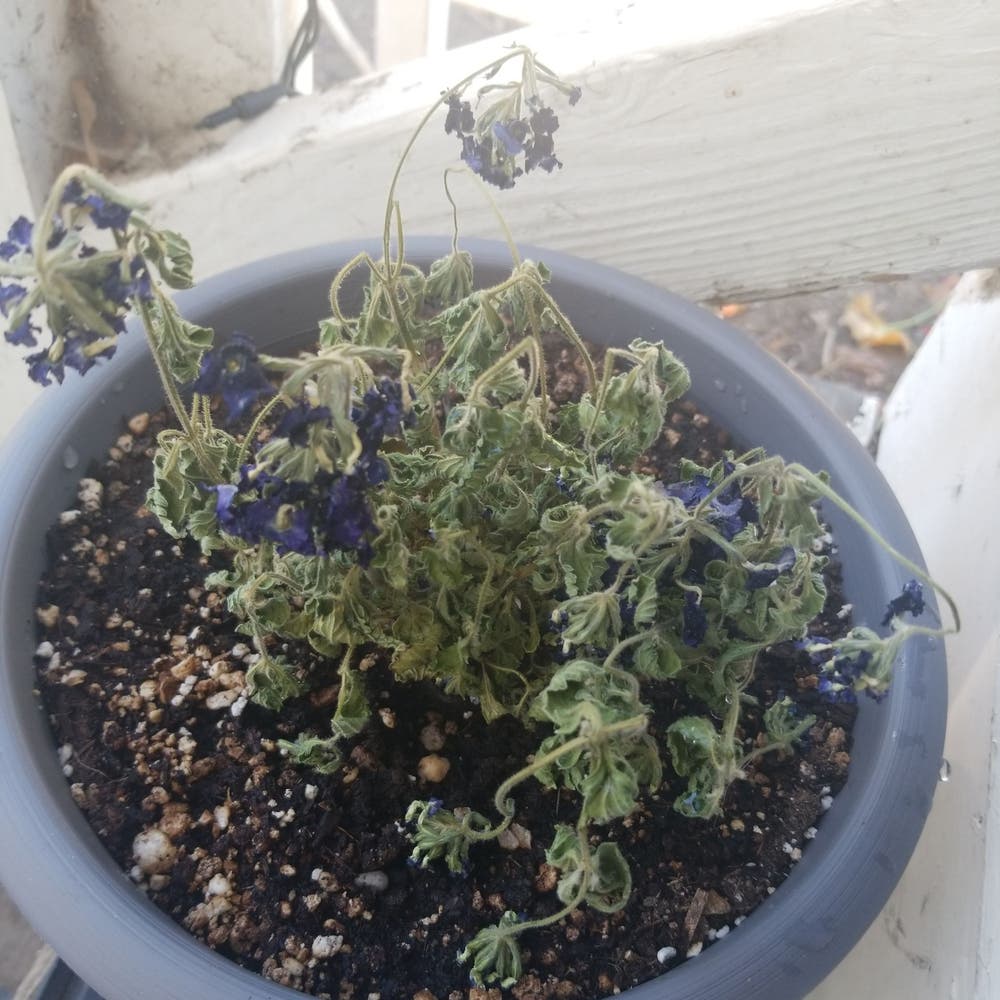
🌼 When and How to Repot White Verbena
Verbena x hybrida
By the Greg Editorial Team
Oct 20, 2024•6 min read
This article was created with the help of AI so we can cover more plants for you. May contain errors. See one? Report it here.
Unlock vibrant blooms for your white verbena 🌼 by mastering essential repotting techniques for optimal growth! 🌱
- 🌱 Root bound signs include roots out of drainage holes; repot when noticed.
- 🌼 Repot in early spring for optimal growth; avoid blooming season to reduce stress.
- 🪴 Use a pot 1-2 inches larger with good drainage for healthy verbena roots.
Signs that White Verbena Needs Repotting
🌱 Indicators of Root Bound Verbena
Recognizing when your white verbena needs repotting is crucial for its health. Look for roots growing out of the drainage holes; this is a clear sign that your plant is root-bound.
Another indicator is roots circling the bottom of the pot. If you notice stunted growth despite providing adequate care, it’s time to reassess the pot size. Yellowing leaves or wilting, even with proper watering, can also signal that your verbena is cramped and needs more space.
🪴 Assessing Plant Size and Container Size
When considering a new pot, it should be 1-2 inches larger in diameter than the current one. This extra space allows for healthy root development.
Additionally, consider the growth habit of your verbena. Its sprawling nature may require more room to thrive, ensuring it has the space it needs to flourish.
By keeping an eye on these signs, you can ensure your white verbena remains vibrant and healthy. Next, let’s explore the ideal timing for repotting to maximize your plant's growth potential.
Ideal Timing for Repotting
🌱 Seasonal Considerations
Timing is everything when it comes to repotting White Verbena. The best window is early spring, just before new growth kicks in. This timing helps the plant adjust with minimal stress.
Avoid repotting during the blooming season. Doing so can disrupt the plant's growth cycle and lead to unnecessary stress.
🌡️ Environmental Factors
Temperature plays a crucial role in successful repotting. Aim for consistent temperatures above 60°F (15°C) to ensure your Verbena thrives after the move.
Soil moisture is equally important. Repot when the soil is slightly dry; this reduces the risk of damaging the roots during the transition.
By paying attention to these seasonal and environmental factors, you set your White Verbena up for success. Next, let’s dive into the techniques for repotting your plant effectively.
Repotting Techniques
Repotting your white verbena can seem daunting, but with the right approach, it can be a straightforward process. Here’s a step-by-step guide to help you through it.
📝 Step-by-Step Guide to Repotting White Verbena
Prepare Your New Pot: Choose a pot with drainage holes and fill it with a suitable potting mix.
Water the Verbena: A day before repotting, give your verbena a good drink. This makes removal easier and less stressful for the plant.
Remove the Plant: Gently take the verbena out of its current pot. Be careful not to damage the roots during this process.
Trim Dead Roots: Inspect the roots and use sterilized scissors to trim any dead or damaged ones. This promotes healthier growth.
Position the Plant: Place the verbena in the new pot, ensuring the root ball is level with the rim. This helps with stability and growth.
Fill with Potting Mix: Add potting mix around the plant, gently pressing down to eliminate any air pockets. This ensures good contact between the roots and soil.
Water Thoroughly: After filling, water the plant well to settle the soil around the roots. This step is crucial for establishing a healthy environment.
🌱 Handling Roots During Repotting
When dealing with the roots, it’s essential to avoid excessive disturbance of the root ball. If you find the roots tightly bound, gently tease them apart to encourage growth in the new pot.
By following these steps, you’ll set your white verbena up for success in its new home. With proper care, it will thrive and continue to bring beauty to your space.
Next, let’s explore the best pot materials to use for your verbena.
Best Pot Materials
Choosing the right pot material for your white verbena can significantly impact its health and growth. Let's explore the pros and cons of the most common pot materials.
🥇 Pros and Cons of Different Pot Materials
Plastic Pots
Plastic pots are a popular choice among gardeners for several reasons.
Pros: They are lightweight, making them easy to move around. They also retain moisture well and are often less expensive than other options.
Cons: However, if not designed with adequate drainage holes, they can lead to poor drainage, which may harm your plant.
Terracotta Pots
Terracotta pots offer a different set of advantages and challenges.
Pros: They provide excellent drainage and are made from breathable material, allowing air to reach the roots.
Cons: On the downside, they can dry out quickly, require more frequent watering, and are heavier and more fragile than plastic pots.
🌊 Impact of Pot Material on Drainage and Root Health
The choice of pot material plays a crucial role in drainage and root health.
Selecting a pot that allows for proper airflow and drainage is essential to prevent root rot.
Good drainage ensures that excess water can escape, keeping the roots healthy and thriving.
In summary, consider your white verbena's needs and your gardening style when choosing between plastic and terracotta pots.
With the right pot, your verbena will flourish, setting the stage for vibrant blooms and lush growth.
Now that you’ve got the potting materials down, let’s dive into the ideal potting mix for your verbena!
Recommended Potting Mix
Ideal Soil Composition 🌱
For your White Verbena to thrive, a well-draining potting mix is essential. Aim for a blend that includes 50% potting soil, 30% perlite, and 20% compost.
This combination ensures that your plant receives the nutrients it needs while allowing excess water to escape. The perlite enhances aeration, preventing root rot and promoting healthy growth.
Importance of Drainage Holes in Pots 🚰
Drainage holes are a must-have in any pot. They prevent water accumulation, which can lead to root rot—a common issue for Verbena.
Before planting, always check that your pot has adequate drainage. This simple step can save your plant from unnecessary stress and ensure it flourishes in its new environment.
With the right potting mix and proper drainage, your White Verbena will be set for success. Next, let’s explore how to care for your plant after repotting to keep it thriving.
Post-Repotting Care
🌞 How to Care for White Verbena After Repotting
After repotting your white verbena, place it in a spot that receives full sun. This exposure is crucial for helping the plant acclimate and thrive.
Avoid fertilizing for at least 4-6 weeks post-repotting. This waiting period allows the roots to settle into their new environment without the added stress of nutrients.
🚨 Signs of Stress After Repotting
Keep an eye out for signs of stress, such as wilting or drooping leaves. These symptoms can indicate that your plant is struggling to adjust.
You may also notice leaf drop or yellowing, which can be concerning. These signs often signal that the plant is not yet comfortable in its new pot.
🛠️ Addressing Post-Repotting Stress
To help your verbena recover, adjust the watering schedule based on environmental conditions. Ensure the soil remains slightly moist but not soggy.
If temperatures soar, consider providing some shade to protect your plant. This simple step can make a significant difference in its recovery.
By following these care tips, your white verbena will bounce back and flourish in its new home. Next, let’s explore the best pot materials for optimal growth.
⚠️ Safety First
This content is for general information and may contain errors, omissions, or outdated details. It is not medical, veterinary advice, or an endorsement of therapeutic claims.
Always consult a qualified healthcare professional before using any plant as food, medicine, or supplement.
Never eat any plant (or feed one to pets) without confirming its identity with at least two trusted sources.
If you suspect poisoning, call Poison Control (800) 222-1222, the Pet Poison Helpline (800) 213-6680, or your local emergency service immediately.
Spotted an error? Please report it here.
Repot your white verbena for thriving blooms 🌼 by using Greg's tailored reminders and expert tips to ensure a smooth transition into its new pot!