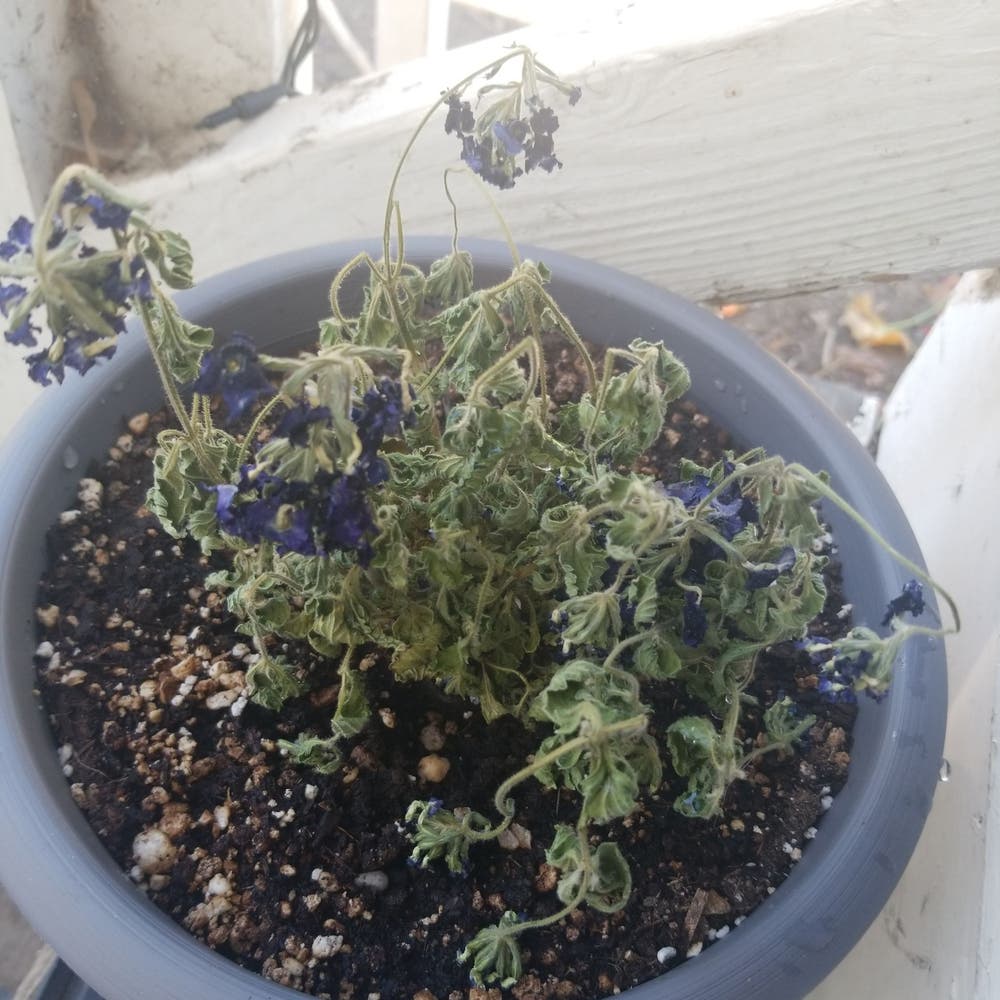
🌼 How to Fix Droopy Leaves on Your White Verbena
Verbena x hybrida
By the Greg Editorial Team
Oct 20, 2024•5 min read
This article was created with the help of AI so we can cover more plants for you. May contain errors. See one? Report it here.
Transform your droopy White Verbena into a thriving beauty 🌼 with essential care tips for watering, soil, and pests!
- 💧 Overwatering and underwatering both cause droopy leaves; check soil moisture regularly.
- 🌱 Well-draining soil is crucial; improve drainage with perlite or sand.
- 🐛 Inspect for pests like aphids; early detection prevents droopiness and damage.
Causes of Droopy Leaves
💧 Overwatering and Its Effects
Overwatering is a common issue that can lead to droopy leaves on your White Verbena. Symptoms include leaves that appear soft and mushy, yellowing foliage, and root rot, which can severely impact plant health.
Excess water suffocates the roots, preventing them from absorbing essential nutrients. This ultimately weakens the plant, making it more susceptible to diseases.
🚰 Underwatering and Its Symptoms
On the flip side, underwatering can also cause droopy leaves. Signs include curling or wilting leaves and dry, crispy edges that signal the plant is in distress.
Prolonged drought stress can lead to significant droopiness, as the plant struggles to conserve moisture. It's crucial to find a balance in your watering routine.
🏞️ Soil Drainage Issues
Well-draining soil is vital for the health of your White Verbena. Poor drainage can lead to water retention, which exacerbates issues like overwatering.
Common problems include compacted soil and the use of inappropriate potting mixes. Both can hinder root development and contribute to droopy leaves.
🌱 Nutrient Deficiencies
Nutrient deficiencies can also cause droopy leaves. Key nutrients like nitrogen, phosphorus, and potassium are essential for healthy growth.
When these nutrients are lacking, you may notice stunted growth alongside droopy leaves. Regular fertilization can help prevent these issues.
🐛 Pest Infestations
Pests can wreak havoc on your White Verbena, leading to droopy leaves. Common culprits include aphids, spider mites, and whiteflies.
Signs of pest damage include wilting leaves, sticky residue, and visible insects. Regular monitoring can help you catch infestations early and protect your plant's health.
Understanding these causes is the first step in addressing droopy leaves on your White Verbena. Next, we’ll explore how to diagnose the specific problem affecting your plant.
Diagnosing the Problem
🌊 Identifying Signs of Overwatering
To diagnose overwatering, start by checking soil moisture levels. If the soil feels soggy, your White Verbena is likely suffering.
Next, inspect the roots. Mushy roots are a clear indicator of root rot, which can severely impact plant health.
💧 Recognizing Signs of Underwatering
Underwatering can be just as detrimental. Look for leaves that are curling or wilting, signaling that your plant is thirsty.
Also, check the soil dryness by probing 1-2 inches below the surface. If it feels bone dry, it’s time to water.
🐛 Checking for Pests and Diseases
Pests can wreak havoc on your Verbena. Begin your inspection by examining the undersides of leaves and stems for any unwanted visitors.
Look for webbing or sticky residue, which can indicate spider mites or aphids. Additionally, be aware of fungal infections that can lead to wilting.
🌱 Assessing Soil Conditions
Soil conditions play a crucial role in plant health. To test drainage, perform a simple drainage test: water the soil and observe how quickly it absorbs.
Evaluate the soil composition as well. Using a well-draining potting mix is essential for keeping your Verbena thriving.
By carefully diagnosing these issues, you can take the necessary steps to restore your White Verbena to its vibrant self. Next, let’s explore effective solutions for droopy leaves.
Solutions for Droopy Leaves
🌊 Adjusting Watering Practices
To revive your White Verbena, start by adjusting your watering schedule. Water your plant when the top inch of soil feels dry to the touch.
Deep watering is crucial. This technique encourages root growth by allowing moisture to penetrate deeper into the soil.
🕳️ Improving Soil Drainage
Next, focus on enhancing soil drainage. Adding perlite or sand to your potting mix can significantly improve water flow.
Choosing pots with drainage holes is essential. This prevents water from pooling at the bottom, which can lead to root rot.
🌱 Fertilizing Correctly
Fertilization is another key aspect of plant care. Use a balanced fertilizer every 4-6 weeks during the growing season for optimal growth.
Be mindful of signs of fertilizer burn, such as leaf tip browning and droopiness. These symptoms indicate that your plant may be getting too much fertilizer.
🐛 Treating Pests and Diseases
Pest control is vital for maintaining healthy Verbena. Consider using organic methods like neem oil or insecticidal soap to manage infestations.
For disease management, remove any affected leaves promptly. Improving air circulation around your plant can also help prevent future issues.
☀️ Environmental Adjustments
Lastly, make necessary environmental adjustments. Ensure your Verbena receives 6-8 hours of full sun daily to thrive.
Temperature control is equally important. Protect your plant from extreme heat or cold drafts to maintain its health.
By implementing these solutions, you can effectively address droopy leaves and promote a vibrant, flourishing White Verbena. Next, let’s explore preventative measures to keep your plant healthy in the long run.
Preventative Measures
Best Practices for Watering 🌊
Establishing a consistent watering routine is crucial for the health of your White Verbena. Aim to water when the top inch of soil feels dry, ensuring your plant receives the right amount of moisture without drowning.
Using moisture meters can provide accurate readings of soil moisture levels. This tool helps you avoid the guesswork, making it easier to maintain optimal watering practices.
Soil Selection and Preparation 🌱
Choosing the right soil is essential for your Verbena's growth. Opt for well-draining potting mixes enriched with organic matter to promote healthy root development.
Proper soil preparation can prevent issues like compaction and poor drainage. This proactive approach sets your plant up for success from the start.
Regular Pest Monitoring 🐞
Weekly inspections are vital for early detection of pests. Regularly check the undersides of leaves and stems to catch any infestations before they escalate.
Utilizing sticky traps can help monitor pest populations effectively. These traps not only catch pests but also provide insight into the level of infestation in your garden.
Seasonal Care Tips 🌦️
Adjusting care based on seasonal changes is key to keeping your Verbena thriving. In winter, reduce watering as the plant enters dormancy, while in summer, increase care to support its growth.
Understanding your plant's seasonal needs allows you to provide tailored care. This attention ensures your Verbena remains vibrant and healthy throughout the year.
By implementing these preventative measures, you can significantly reduce the chances of droopy leaves and other issues. Next, let’s explore how to diagnose the specific problems affecting your White Verbena.
⚠️ Safety First
This content is for general information and may contain errors, omissions, or outdated details. It is not medical, veterinary advice, or an endorsement of therapeutic claims.
Always consult a qualified healthcare professional before using any plant as food, medicine, or supplement.
Never eat any plant (or feed one to pets) without confirming its identity with at least two trusted sources.
If you suspect poisoning, call Poison Control (800) 222-1222, the Pet Poison Helpline (800) 213-6680, or your local emergency service immediately.
Spotted an error? Please report it here.
Keep your White Verbena perky and vibrant 🌼 by using Greg's tailored watering reminders and pest alerts to ensure it thrives without droopy leaves!