🌼 Step-by-Step Guide to Growing White Verbena Outdoors
Verbena x hybrida
By the Greg Editorial Team
Oct 20, 2024•5 min read
This article was created with the help of AI so we can cover more plants for you. May contain errors. See one? Report it here.
Master sunlight and watering for stunning white verbena blooms 🌼 and enjoy a flourishing garden all year round! 🌱
- ☀️ White verbena needs 6-8 hours of sunlight daily for optimal growth and blooms.
- 💧 Keep soil moist initially, then water every 1-2 weeks once established.
- 🌱 Well-draining soil with pH 6.0-7.0 is essential for healthy white verbena.
Sunlight Requirements
Ideal Exposure 🌞
White verbena thrives in full sun, needing at least 6-8 hours of direct sunlight each day. This exposure is crucial as it promotes healthy growth and encourages abundant flowering.
Effects of Insufficient Sunlight 🌥️
When white verbena doesn't get enough sunlight, you'll notice symptoms like stunted growth, fewer flowers, and a leggy appearance. If you spot these issues, consider relocating the plant to a sunnier spot or trimming surrounding plants to allow more light in.
By ensuring your white verbena receives the right amount of sunlight, you set the stage for a vibrant and flourishing garden. Next, let’s explore the watering needs to keep your plants thriving.
Watering Needs
🌧️ General Guidelines
When starting out, keep the soil consistently moist until your white verbena is established. This initial care is crucial for strong root development.
Once established, these plants can handle drought conditions but thrive with consistent moisture. A little extra attention goes a long way in promoting vibrant blooms.
⏰ Frequency
Water your verbena every 1-2 weeks, adjusting based on rainfall and how well your soil drains.
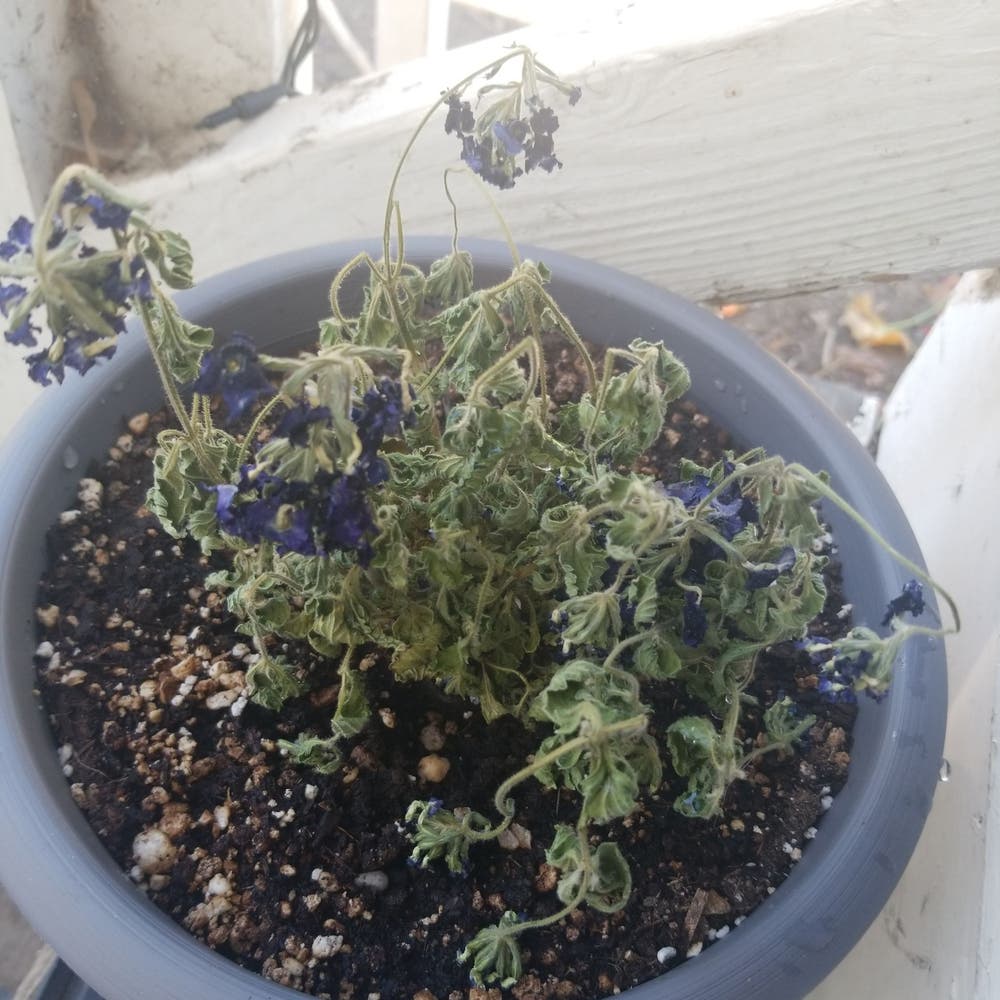
Be on the lookout for signs of overwatering, such as yellowing leaves and root rot. Conversely, if you notice wilting or dry leaf edges, it’s a clear signal that your plants need more water.
By keeping a close eye on these indicators, you can ensure your white verbena remains healthy and flourishing.
With proper watering, your plants will reward you with a stunning display of flowers, setting the stage for the next essential aspect of their care: soil preferences.
Soil Preferences
Ideal Type 🌱
White verbena thrives in well-draining soil, ideally sandy or loamy. This type of soil ensures that water flows freely, preventing root rot and promoting healthy growth.
The preferred soil pH for white verbena is slightly acidic to neutral, ranging from 6.0 to 7.0. Testing your soil's pH can help you create the perfect environment for your plants.
Preparation 🛠️
To enhance soil structure, incorporate organic matter like compost. This not only enriches the soil but also improves its moisture retention capabilities.
If your soil tends to hold onto too much moisture, consider adding perlite or sand. These amendments will help create the drainage your white verbena craves.
With the right soil conditions, your white verbena will flourish, setting the stage for vibrant blooms. Next, let’s explore the best planting options for your garden!
Planting Options
Container vs. In-Ground 🌱
When deciding where to plant your white verbena, consider the benefits of container planting. Containers offer mobility, allowing you to reposition your plants for optimal sunlight or aesthetic appeal.
However, they come with limitations. The root space is restricted, which can hinder growth, and you'll need to water more frequently to keep the soil moist.
On the other hand, in-ground planting provides ample space for roots to spread. This method also enhances moisture retention, which is beneficial for your plants.
Yet, in-ground planting isn't without its challenges. You have less control over soil conditions, and once planted, your verbena will be in a permanent location, making it harder to adapt to changing environmental factors.
Ultimately, the choice between container and in-ground planting depends on your gardening style and the specific needs of your white verbena. Consider your space, climate, and how much time you can dedicate to care.
With the right approach, both methods can lead to thriving plants and beautiful blooms. Now that you’ve decided on planting options, let’s explore how to protect your verbena and provide seasonal care.
Protection and Seasonal Care
🌬️ Weather Protection Strategies
Mulching is a simple yet effective way to protect your white verbena. A layer of mulch helps retain moisture and regulates soil temperature, creating a stable environment for growth.
Additionally, consider using windbreaks. Barriers can shield your plants from strong winds, preventing damage and ensuring they thrive.
🐜 Common Outdoor Pests and Solutions
Aphids are a common nuisance for white verbena. You can identify them by curled leaves; control them easily with insecticidal soap.
Spider mites are another pest to watch for. Look for webbing on your plants; increasing humidity or applying miticides can help manage these tiny invaders.
🌱 Seasonal Care Tips
In spring, it's time to trim back any dead or damaged stems. This is also the perfect moment to start fertilizing your plants for a robust growing season.
As summer rolls in, increase your watering frequency and don’t forget to deadhead spent flowers. This encourages new blooms and keeps your verbena looking vibrant.
When fall arrives, gradually decrease watering and apply mulch for frost protection. This helps your plants prepare for the colder months ahead.
In winter, cover your plants if you're in cooler climates or move containers indoors. This extra care ensures your white verbena survives the chilly season.
With these protective measures and seasonal care tips, your white verbena will flourish beautifully throughout the year. Next, let’s explore the ideal soil preferences for optimal growth.
⚠️ Safety First
This content is for general information and may contain errors, omissions, or outdated details. It is not medical, veterinary advice, or an endorsement of therapeutic claims.
Always consult a qualified healthcare professional before using any plant as food, medicine, or supplement.
Never eat any plant (or feed one to pets) without confirming its identity with at least two trusted sources.
If you suspect poisoning, call Poison Control (800) 222-1222, the Pet Poison Helpline (800) 213-6680, or your local emergency service immediately.
Spotted an error? Please report it here.
Transform your garden with thriving white verbena blooms 🌼 by using Greg's tailored watering reminders and expert tips to keep your plants flourishing in the sun!