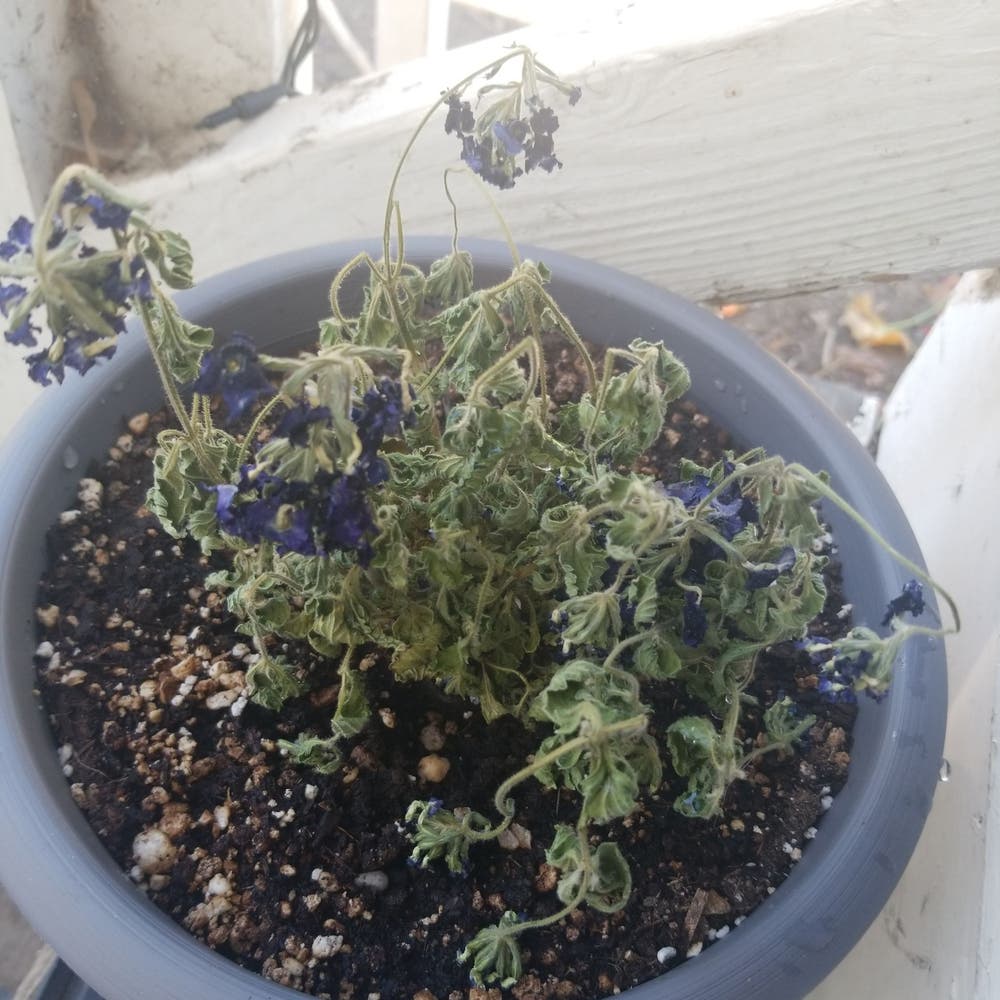
How to Fix Brown Spots on Your White Verbena 🎨
Verbena x hybrida
By the Greg Editorial Team
Oct 20, 2024•6 min read
This article was created with the help of AI so we can cover more plants for you. May contain errors. See one? Report it here.
Revive your white verbena and banish brown spots with expert tips for thriving plants! 🌿
- 🌱 Brown spots on white verbena stem from fungal infections, pests, or nutrient deficiencies.
- 💧 Overwatering causes root rot; ensure well-draining soil for healthy growth.
- 🌞 Environmental stressors like sunburn can lead to brown spots; provide shade and care.
Causes of Brown Spots
🦠 Fungal Infections and Their Impact
Fungal infections are a primary culprit behind brown spots on your white verbena. Common diseases include powdery mildew, which appears as white, powdery spots that can eventually turn brown, and leaf spot diseases, characterized by brown lesions surrounded by yellow halos.
Conditions that promote fungal growth include high humidity and poor air circulation. Overcrowded planting can also lead to moisture retention, creating a perfect environment for these fungi to thrive.
🥦 Nutrient Deficiencies
Nitrogen Deficiency
A nitrogen deficiency manifests as yellowing leaves with brown spots and stunted growth. This issue often arises from poor soil quality or a lack of fertilization.
Potassium Deficiency
Potassium deficiency shows up as marginal browning of leaves and weak stems. It typically results from imbalanced fertilization or nutrient-poor soil.
🚰 Overwatering and Poor Drainage
Overwatering can lead to yellowing leaves, wilting, and brown spots. Ensuring well-draining soil is crucial to prevent root rot and fungal infections.
🐜 Pest Infestations
Common Pests Affecting Verbena
Aphids are small, green insects that suck sap from the leaves, causing curling and browning. Spider mites, on the other hand, are tiny pests that create webbing and cause stippling on the leaves.
Damage Assessment
Signs of pest damage include yellowing leaves, brown spots, and visible pests. Regular inspections can help catch these issues early.
🌞 Environmental Stress
Sunburn
Sunburn appears as brown, crispy leaf edges, especially in plants suddenly exposed to intense sunlight after being in shade. This stress can be detrimental to your verbena's health.
Temperature Fluctuations
Extreme temperature changes can negatively affect leaf health. Symptoms include brown spots resulting from stress caused by cold nights or hot days.
Understanding these causes is essential for effectively addressing brown spots on your white verbena. Next, we’ll explore how to diagnose these issues accurately.
Diagnosing Brown Spots
🦠 Identifying Symptoms of Fungal Infections
Fungal infections can be sneaky, often showing up as brown lesions or powdery mildew on your Verbena. Keep an eye out, especially during humid conditions when these issues are most likely to thrive.
🥦 Recognizing Signs of Nutrient Deficiencies
Nutrient deficiencies manifest through noticeable leaf color changes, like yellowing and browning. You might also see stunted or weak growth, signaling that your plant isn't getting the nutrients it needs.
💧 Assessing Watering Practices
To ensure your Verbena is happy, regularly check the soil moisture. Use a moisture meter or simply stick your finger into the soil; soggy soil can lead to root rot, a sure sign of overwatering.
🐛 Checking for Pests and Their Damage
Inspect your leaves closely for pests and their telltale excrement. Look for curling leaves, webbing, or brown spots, which can indicate an infestation that needs immediate attention.
🌤️ Evaluating Environmental Conditions
Assess the sun exposure your Verbena receives throughout the day. Additionally, use a thermometer to monitor temperature fluctuations, as extreme changes can stress your plants and contribute to brown spots.
By diagnosing these issues early, you can take proactive steps to restore your Verbena's health. Next, let’s explore effective treatment options to tackle these brown spots head-on.
Treatment Options
🌱 Fungal Treatment Methods
Chemical Treatments
To combat fungal infections on your Verbena, consider using fungicides with effective active ingredients like chlorothalonil or myclobutanil. Apply these treatments during the early morning or late afternoon for optimal effectiveness, ensuring that the leaves are dry before application.
Natural Remedies
If you prefer a more organic approach, homemade solutions such as baking soda spray or neem oil can be quite effective. Apply these remedies every 7-14 days during outbreaks to keep your plants healthy and thriving.
🥦 Correcting Nutrient Deficiencies
Fertilization Tips
To address nutrient deficiencies, use fertilizers with balanced NPK ratios, such as 10-10-10 or 5-10-5. Timing is crucial; apply these fertilizers in early spring and again in mid-summer for the best results.
💧 Adjusting Watering Practices
How to Water Verbena
- Check soil moisture before watering to avoid over-saturation.
- Water deeply but infrequently to encourage strong root growth.
- Ensure excess water drains away to prevent root rot.
🐞 Pest Control Strategies
Insecticidal Soaps
For pest infestations, insecticidal soaps can be a game-changer. Spray directly on affected areas every 7-10 days until you see a significant reduction in pests.
Neem Oil
Neem oil serves as both a natural pesticide and fungicide, making it a versatile choice. Dilute it according to package instructions and apply it during cooler parts of the day for best results.
🌤️ Environmental Adjustments
Shade Solutions
If your Verbena is suffering from sunburn, consider temporary shading methods like using cloth or garden structures. For a long-term solution, plant taller plants nearby to provide natural shade.
Temperature Control
Mulching can help regulate soil temperature, keeping roots cool during hot spells. Additionally, relocating pots to sheltered areas during extreme weather can protect your plants from stress.
By implementing these treatment options, you can effectively address the brown spots on your white Verbena and promote healthier growth. Next, let's explore preventive measures to keep your plants thriving year-round.
Preventive Measures
🌊 Best Practices for Watering and Drainage
Proper watering and drainage are crucial for healthy Verbena. Start with well-draining soil mixes to prevent waterlogging.
Adjust your watering schedule based on weather conditions. During dry spells, water deeply but less frequently to encourage strong root growth.
🌱 Fertilization Schedule for Healthy Growth
Regular feeding is essential for vibrant growth. Aim to fertilize your Verbena monthly during the growing season.
Consider soil testing to determine specific nutrient needs. This ensures your plants receive the right balance of nutrients for optimal health.
🐞 Regular Pest Monitoring and Control
Stay proactive with pest management by conducting weekly inspections. Look for signs of pests or diseases to catch issues early.
Early intervention is key; treat any problems at the first sign of trouble. This approach minimizes damage and keeps your plants thriving.
🌞 Choosing the Right Planting Location
Selecting the right spot for your Verbena can make all the difference. Ensure they receive at least six hours of full sun daily for robust growth.
Avoid overcrowded areas to promote good air circulation. This helps reduce the risk of fungal infections and pest infestations.
🌦️ Seasonal Care Tips to Prevent Stress
Seasonal changes can stress your plants, so take precautions. In winter, cover your Verbena to protect them from frost.
During summer heat waves, provide extra water to keep them hydrated. These simple steps can help your plants flourish year-round.
By implementing these preventive measures, you can maintain the health and beauty of your Verbena. Next, let’s explore effective treatment options for when brown spots do appear.
⚠️ Safety First
This content is for general information and may contain errors, omissions, or outdated details. It is not medical, veterinary advice, or an endorsement of therapeutic claims.
Always consult a qualified healthcare professional before using any plant as food, medicine, or supplement.
Never eat any plant (or feed one to pets) without confirming its identity with at least two trusted sources.
If you suspect poisoning, call Poison Control (800) 222-1222, the Pet Poison Helpline (800) 213-6680, or your local emergency service immediately.
Spotted an error? Please report it here.
Keep your white verbena spot-free 🌱 by using Greg's tailored watering alerts and pest control tips to help you tackle brown spots before they start!