🌼 Why White Verbena Is Not a Perennial
Verbena x hybrida
By the Greg Editorial Team
Oct 20, 2024•5 min read
This article was created with the help of AI so we can cover more plants for you. May contain errors. See one? Report it here.
Elevate your garden with vibrant White Verbena blooms 🌼 for quick beauty and endless seasonal creativity!
- 🌼 White Verbena is an annual, completing its lifecycle in one growing season.
- 🌱 Self-seeding allows new growth, but the original plant dies in winter.
- 🌿 Understanding its nature helps gardeners plan effectively for seasonal beauty.
Characteristics of White Verbena
🌱 Single-Season Lifecycle
White Verbena is known for its single-season lifecycle, which begins with seed germination. This process typically unfolds over 8 to 12 weeks, leading to vibrant blooms before the plant's inevitable decline.
The lifecycle stages are straightforward: seeds sprout, plants grow, flower, and then die off. This rapid progression is part of what makes White Verbena a popular choice for gardeners seeking quick results.
🚀 Rapid Growth and Flowering
In just a few months, White Verbena can reach heights of 12 to 18 inches. Its flowering period is generous, showcasing beautiful blooms from spring until the first frost.
The flower clusters are small but striking, emitting a delightful fragrance that attracts pollinators. This makes them not only visually appealing but also beneficial for the garden ecosystem.
🥶 Inability to Regrow from the Same Roots
One key characteristic of White Verbena is its shallow root system. This structure limits its ability to survive harsh conditions, particularly frost and cold temperatures.
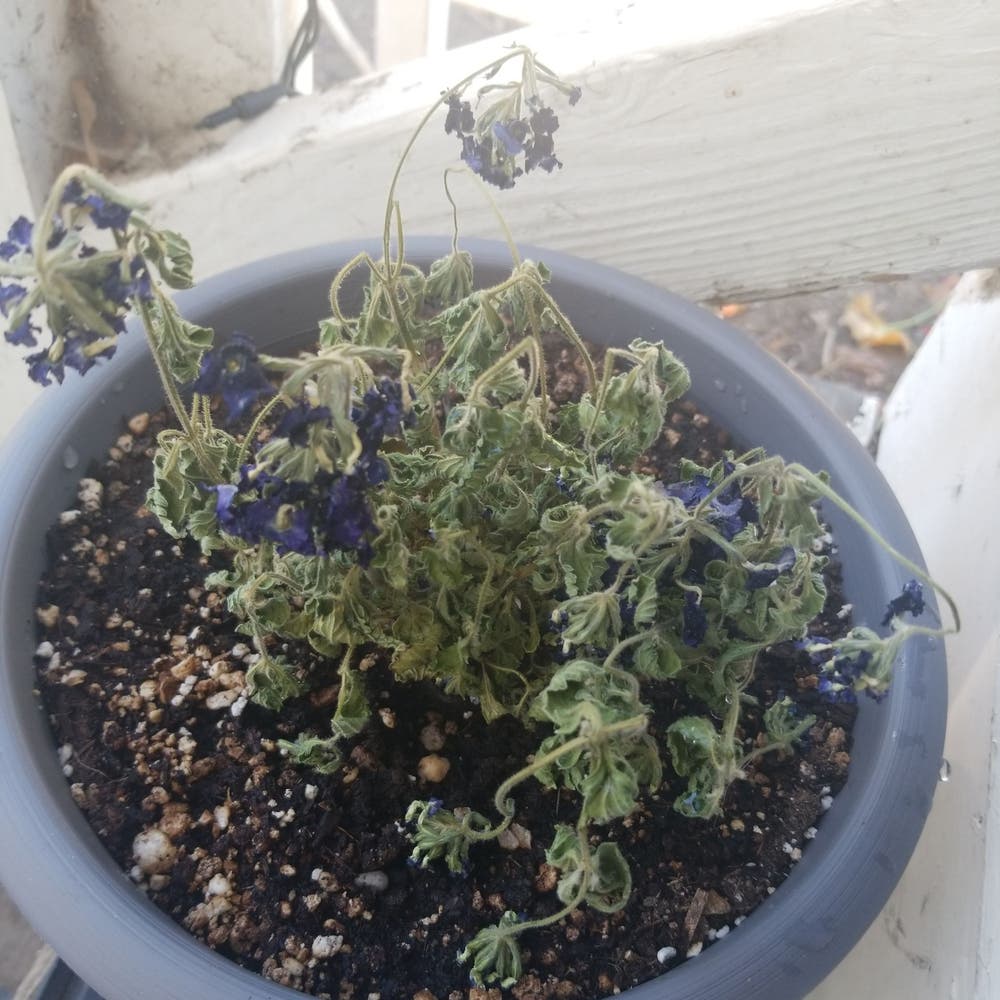
When winter arrives, these plants cannot regrow from their roots, marking the end of their lifecycle. Understanding this aspect is crucial for gardeners planning their seasonal gardens.
Implications of Annual Nature
🌼 Growth and Flowering Patterns Compared to Perennials
White Verbena, as an annual, offers continuous blooms throughout its growing season. In contrast, perennials typically have seasonal flowering patterns, with bursts of color followed by dormancy.
This difference stems from how these plants allocate their energy. Annuals like White Verbena prioritize rapid growth and reproduction, ensuring they can produce seeds before the frost arrives. This strategy allows them to thrive in a single season, making them perfect for gardeners looking for immediate visual impact.
⏳ Lifespan of White Verbena vs. Perennial Plants
The average lifespan of White Verbena is just one growing season. Once the frost hits, these vibrant plants fade away, leaving behind only memories of their beauty.
In comparison, most perennials enjoy multiple years of growth and flowering. They establish deeper root systems and can return year after year, providing a reliable source of blooms and greenery in your garden. This stark contrast highlights the unique role White Verbena plays in seasonal gardening, offering a burst of color that is both fleeting and delightful.
As we explore the common misconceptions surrounding White Verbena, it's essential to understand how its annual nature shapes our gardening experiences.
Common Misconceptions
🧐 Addressing the Belief that White Verbena is a Perennial
Many gardeners mistakenly believe that white verbena is a perennial plant. In reality, it is classified as an annual, completing its lifecycle within a single growing season.
This confusion often arises from its ability to self-seed, which can create the illusion of returning plants each year. However, understanding its true nature is essential for effective gardening.
🌱 Clarifying Self-Seeding Behavior
Self-seeding occurs when a plant drops its seeds, allowing new plants to grow in the following season. While this can lead to a fresh crop of white verbena, it doesn't mean the original plant survives.
Warm climates and well-drained soil conditions favor self-seeding. This can mislead gardeners into thinking they have perennials when, in fact, they are simply benefiting from the annual's prolific seeding habits.
By recognizing these characteristics, gardeners can make informed decisions about planting and care, ensuring vibrant blooms each season.
Advantages of White Verbena's Annual Nature
🚀 Quick Maturity for Gardeners
White Verbena is a gardener's dream for quick results. It typically reaches maturity within 8 to 12 weeks, providing immediate blooms that can brighten up any garden space.
This rapid growth is perfect for those who want to enjoy vibrant flowers without waiting for seasons to pass. If you're looking for instant gratification in your garden, White Verbena delivers.
🎨 Flexibility in Garden Planning and Design
One of the standout advantages of White Verbena is its flexibility in garden design. Each year, you have the opportunity to change your plant selections, allowing for seasonal variety that keeps your garden fresh and exciting.
Experimenting with different color schemes and arrangements can transform your outdoor space. This adaptability means you can tailor your garden to reflect your evolving tastes and the latest trends in horticulture.
Incorporating White Verbena into your garden not only enhances its beauty but also opens doors for creative expression. As you plan for the next growing season, consider how this annual can fit into your vision.
With its quick maturity and design flexibility, White Verbena makes it easy to cultivate a stunning garden that evolves year after year. Next, let’s explore strategies for maximizing the growth and beauty of White Verbena throughout the season.
Strategies for Enjoying White Verbena
Tips for Maximizing Growth Throughout the Season 🌱
To get the most out of your White Verbena, timing is everything. Planting in early spring ensures that your flowers have the best chance to thrive.
Watering is crucial for robust growth. Keep the soil consistently moist but not soggy, and consider using a balanced fertilizer every few weeks to boost flowering.
Incorporating White Verbena with Perennials for Visual Impact 🎨
Companion planting can elevate your garden's aesthetic. Pair White Verbena with perennials that offer contrasting colors and textures for a vibrant display.
Planning for seasonal transitions is also key. Combine White Verbena with late-blooming perennials to maintain visual interest throughout the growing season.
By following these strategies, you can enjoy the beauty of White Verbena while enhancing your garden's overall appeal. Next, let's explore the advantages of its annual nature.
⚠️ Safety First
This content is for general information and may contain errors, omissions, or outdated details. It is not medical, veterinary advice, or an endorsement of therapeutic claims.
Always consult a qualified healthcare professional before using any plant as food, medicine, or supplement.
Never eat any plant (or feed one to pets) without confirming its identity with at least two trusted sources.
If you suspect poisoning, call Poison Control (800) 222-1222, the Pet Poison Helpline (800) 213-6680, or your local emergency service immediately.
Spotted an error? Please report it here.
Embrace the beauty of White Verbena's fleeting blooms 🌸 by using Greg's tailored watering reminders to keep your garden vibrant and flourishing every season!