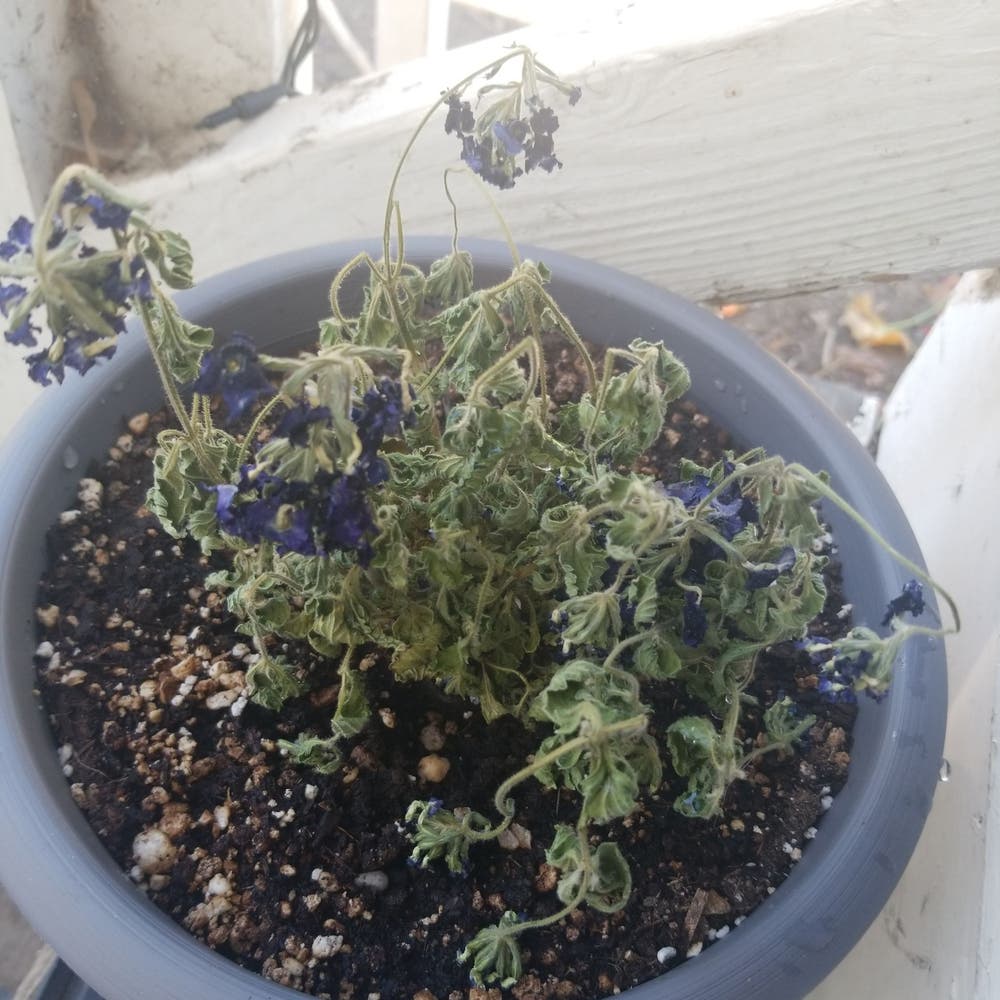
🌼 Top 8 Pot Options to Make Your White Verbena Thrive
Verbena x hybrida
By the Greg Editorial Team
Oct 20, 2024•5 min read
This article was created with the help of AI so we can cover more plants for you. May contain errors. See one? Report it here.
Unlock vibrant blooms for your white verbena 🌱 by mastering the art of pot selection and care!
- 🌱 Choose pot sizes wisely: 4-6 inches for seedlings, 12-14 inches for mature plants.
- 🕳️ Ensure proper drainage: Use pots with 3-5 holes to prevent root suffocation.
- 🔄 Repot when roots outgrow: Look for roots in drainage holes or stunted growth signs.
Pot Sizes for Different Growth Stages
Importance of Pot Size 🌱
Choosing the right pot size is crucial for the health of your white verbena. During the seedling stage, opt for pots that are 4-6 inches in diameter to give those tiny roots room to breathe.
As your plant matures, you'll need to transition to larger pots. For young plants, an 8-10 inch pot is ideal, while mature plants thrive in pots that are 12-14 inches in diameter.
General Guidelines for Pot Size 📏
A good rule of thumb is to increase the pot size by 2 inches in diameter as your plant grows. This gradual transition helps prevent root binding and ensures your verbena has ample space to flourish.
By following these guidelines, you can support your white verbena's growth effectively. Next, let’s explore the ideal pot materials that complement these sizes.
Ideal Pot Materials
🌱 Clay vs. Plastic
When it comes to choosing the right pot material for your White Verbena, both clay and plastic have their pros and cons.
Clay Pots
Advantages: Clay pots are known for their breathability, allowing air to circulate through the soil. This helps regulate soil temperature, creating a healthier environment for your plants.
Disadvantages: However, they come with some downsides. Clay pots are heavier and can crack easily. They also tend to dry out quickly, which means you'll need to monitor moisture levels more closely.
Plastic Pots
Advantages: On the flip side, plastic pots are lightweight and retain moisture longer, making them a convenient option for busy gardeners.
Disadvantages: But beware—plastic pots are less breathable. If drainage isn't adequate, you risk root rot, which can be detrimental to your Verbena's health.
🏺 Recommended Types
For durability, consider thick-walled plastic pots. They strike a balance between lightweight convenience and sturdiness, ensuring your plants thrive without the risk of overheating or excessive moisture loss.
Choosing the right pot material is crucial for your White Verbena's success. Next, let’s explore the importance of drainage and how it impacts your plant's health.
Drainage Considerations
Importance of Drainage Holes 🌧️
Proper drainage is crucial for keeping your White Verbena healthy. Without drainage holes, water can accumulate, leading to waterlogging, which can suffocate roots.
For pots that are 12 inches or larger, aim for a minimum of 3-5 drainage holes. This ensures excess water can escape, promoting a healthier growing environment.
Impact of Drainage on Root Health 🌱
Good drainage is vital for oxygen availability in the soil. Roots need oxygen to thrive, and poor drainage can lead to serious issues.
Watch for signs of inadequate drainage, such as yellowing leaves or wilting plants, even when you’ve watered them adequately. These symptoms often indicate that your plant is struggling to breathe.
With proper drainage, your White Verbena will flourish, setting the stage for vibrant blooms. Next, let’s explore how to recognize when it’s time to repot your plant for optimal growth.
Repotting White Verbena
🚨 Signs That It's Time to Repot
Recognizing when to repot your white verbena is crucial for its health. Look for roots growing out of the drainage holes or signs of stunted growth, which indicate that the plant is root-bound.
Additionally, check the soil condition. If it feels compacted or lacks nutrients, it’s time for a change.
🛠️ Step-by-Step Guide to Repotting
Repotting can seem daunting, but it’s straightforward. Follow these steps to ensure your white verbena thrives in its new home:
- Choose a new pot that is 2 inches larger in diameter than the current one.
- Prepare fresh potting mix that’s suitable for verbena, ensuring it’s nutrient-rich.
- Gently remove the plant from its current pot, loosening the roots if necessary to avoid damage.
- Place the plant in the new pot, making sure it sits at the same depth as before.
- Fill in with potting mix, firming it gently around the roots to eliminate air pockets.
- Water thoroughly to settle the soil and help the plant adjust.
By following these steps, you’ll give your white verbena the best chance to flourish. Proper repotting not only enhances growth but also revitalizes the plant, ensuring it remains vibrant and healthy.
Next, let’s explore common mistakes in pot selection to avoid any pitfalls in your gardening journey.
Common Mistakes in Pot Selection
Size and Drainage Issues 🌊
Choosing the wrong pot size can have serious consequences for your white verbena. Large pots tend to retain excess moisture, leading to root rot, while small pots can stunt growth, leaving your plant struggling to thrive.
Proper drainage is crucial for healthy plants. Always avoid decorative pots that lack drainage holes; they can trap water and create a soggy environment that your verbena simply can't handle.
Material Selection Risks 🏺
Selecting the right pot material is just as important as size. In hot climates, plastic pots can overheat, stressing your plants, while clay pots in humid areas may lose moisture too quickly, leaving your verbena thirsty.
To avoid these pitfalls, consider your local climate when choosing pot materials. Thick-walled plastic pots offer durability and moisture retention, making them a solid choice for various conditions.
⚠️ Safety First
This content is for general information and may contain errors, omissions, or outdated details. It is not medical, veterinary advice, or an endorsement of therapeutic claims.
Always consult a qualified healthcare professional before using any plant as food, medicine, or supplement.
Never eat any plant (or feed one to pets) without confirming its identity with at least two trusted sources.
If you suspect poisoning, call Poison Control (800) 222-1222, the Pet Poison Helpline (800) 213-6680, or your local emergency service immediately.
Spotted an error? Please report it here.
Keep your white verbena thriving 🌼 by using Greg's tailored reminders for pot size adjustments and soil moisture checks, ensuring your plant gets the care it deserves!