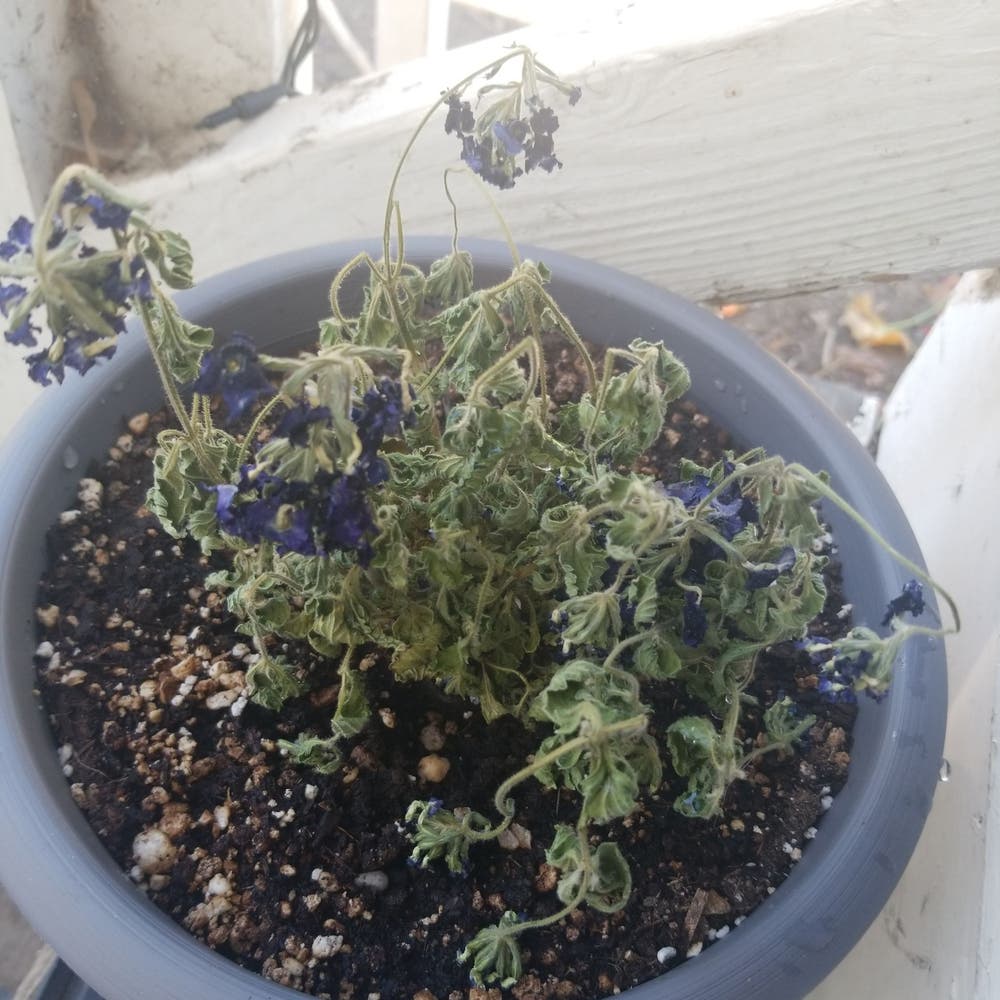
🍂 Why Are the Leaves on My Garden Verbena Turning Yellow?
Verbena x hybrida
By the Greg Editorial Team
Mar 26, 2024•3 min read
This article was created with the help of AI so we can cover more plants for you. May contain errors. See one? Report it here.
Solve the mystery of your Verbena's yellow leaves 🍂 and keep your garden thriving with expert tips!
- 💧 Balance watering to prevent yellow leaves; let soil dry slightly between waterings.
- 🌱 Use balanced fertilizer to address nutrient deficiencies causing yellowing.
- 🐞 Combat pests with isolation, foliage removal, and insecticidal soaps.
Spotting Trouble: Identifying Yellow Leaf Causes
💧 Over or Underwatering Woes
Overwatering is a common misstep that turns Garden Verbena leaves yellow. The roots, craving air, are smothered in soggy soil. Underwatering, on the flip side, leaves plants parched and leaves crispy. The key? Moist soil that's allowed to dry just a tad between waterings.
🍽️ Hungry Plants: Nutrient Needs
Yellow leaves might also wave a flag for nutrient deficiency. A lack of nitrogen turns leaves pale, while too much bulks up foliage at the expense of flowers and roots. Strike a balance with a balanced fertilizer—think of it as a plant multivitamin. But go easy; too much and you'll scorch your Verbena with nutrient burn.
Battling Bugs: Pest-Related Yellowing
🐛 Common Culprits
Identifying pests that turn leaves yellow can be like playing detective in your own garden. Mealybugs and spider mites are notorious for sucking the life out of verbena leaves, leaving them yellow and lifeless. Aphids cling to the undersides, feasting on sap and causing discoloration. Don't overlook whiteflies and scale insects; these tiny vampires can also lead to a yellow leaf graveyard.
💥 Fight Back Tactics
When it comes to pest control, think of it as a strategic game. Isolation is your first move—quarantine the affected plant to prevent an infestation party. Next, remove any damaged foliage; think of it as cutting off the enemy's supply lines. For your arsenal, insecticidal soaps and horticultural oils like neem oil are the equivalent of precision strikes—effective yet environmentally considerate. If you're dealing with fungus gnats, their larvae hate dry soil, so reducing watering can be a simple but effective countermeasure. And remember, cleanliness is not just next to godliness; it's also pest kryptonite. Regular leaf inspections and cleaning can prevent pests from setting up camp. Lastly, embrace the natural order—ladybugs and other predators are your allies in this battle, keeping aphid populations in check.
When the Environment Strikes: Abiotic Factors
💡 Light and Temperature Tiffs
Garden Verbena's leaves can yellow due to light and temperature extremes. Too much direct sunlight can bleach leaves, while insufficient light weakens the plant. Consistent light levels are crucial; bright, indirect sunlight is ideal. Temperature stability is equally important; avoid placing plants near heaters or air conditioners to prevent stress.
🌬️ Airflow and Soil Drama
Proper airflow helps prevent disease, but too much wind can dehydrate leaves, causing yellowing. Soil quality also plays a role; poor drainage can lead to root rot and yellow leaves. Ensure your Verbena is planted in well-draining soil and protect it from harsh winds for optimal leaf health.
Turning Over a New Leaf: Recovery and Prevention
🌿 Reviving Your Verbena
- Prune yellowed or damaged leaves with sterilized shears to focus energy on healthy growth.
- Inspect for pests and treat with insecticidal soap or neem oil if necessary.
- Adjust watering habits to meet your Verbena's needs—too much or too little can be detrimental.
- Evaluate light exposure; Verbena thrives in bright, indirect sunlight.
- Rotate your plant to ensure even light distribution and growth.
🌱 Keeping the Green
- Deadhead fading flowers and trim plants to maintain shape and encourage new growth.
- Monitor soil quality and refresh with nutrient-rich mix if needed.
- Stay vigilant with regular check-ups for early signs of pests or disease.
- Fertilize with a balanced NPK formula, following package instructions and moistening soil beforehand.
- Reassess your care routine if problems persist, remembering that recovery is a gradual process.
⚠️ Safety First
This content is for general information and may contain errors, omissions, or outdated details. It is not medical, veterinary advice, or an endorsement of therapeutic claims.
Always consult a qualified healthcare professional before using any plant as food, medicine, or supplement.
Never eat any plant (or feed one to pets) without confirming its identity with at least two trusted sources.
If you suspect poisoning, call Poison Control (800) 222-1222, the Pet Poison Helpline (800) 213-6680, or your local emergency service immediately.
Spotted an error? Please report it here.
Revitalize your Garden Verbena and prevent yellow leaves by letting Greg remind you 📅 when to water, fertilize, and check for pests, keeping your plants in perfect health.