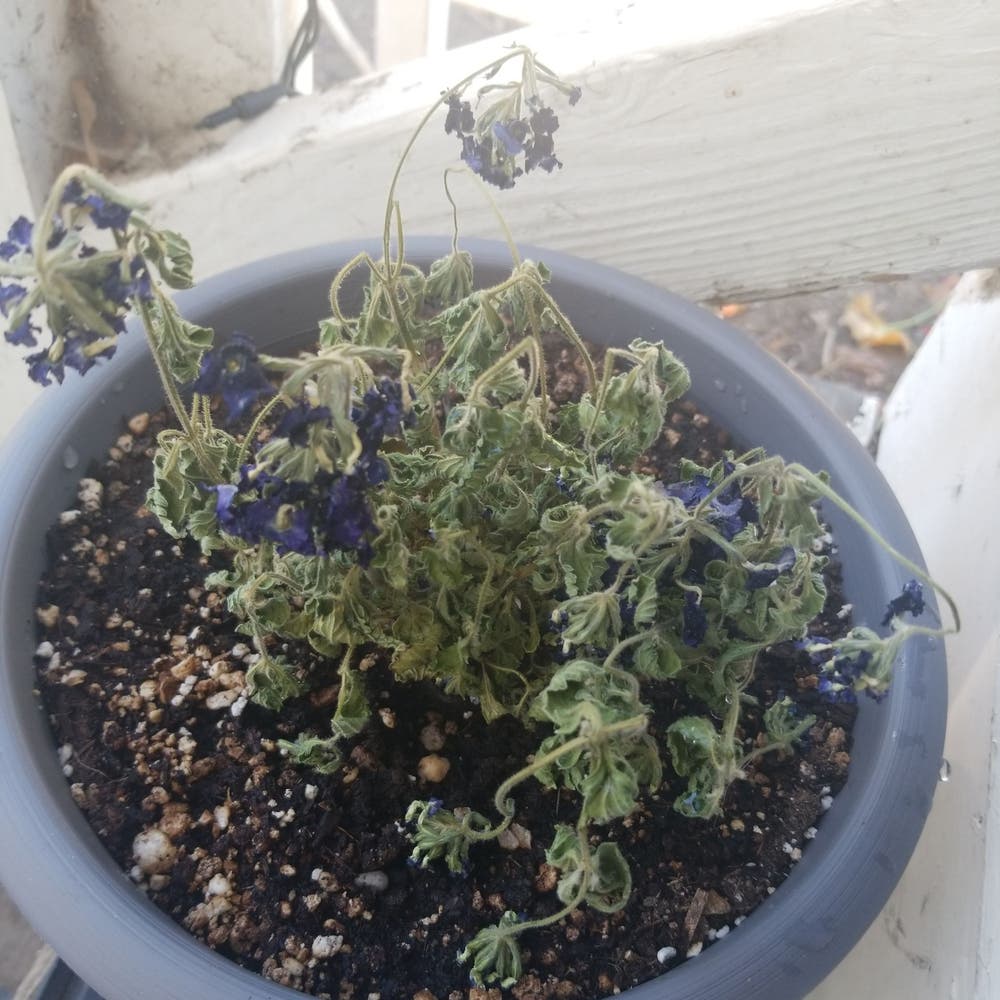
What To Do About Bugs on My Garden Verbena? 🐛
Verbena x hybrida
By the Greg Editorial Team
Mar 26, 2024•4 min read
This article was created with the help of AI so we can cover more plants for you. May contain errors. See one? Report it here.
Shield your garden verbena 🌿 from bug invasions with expert-recommended, battle-tested tactics! 🛡️
- Neem oil and humidity combat spider mites; ladybugs tackle scale insects.
- Soil drenches and traps control gnats/flies; water jets and oils oust aphids.
- Regular inspections and cleanliness are key to preventing and controlling pests.
Meet the Pests: Identifying Your Garden Verbena's Unwanted Guests
🕷️ Spider Mites
Webbing on leaves and stippled foliage are distress flares from your verbena, signaling a spider mite shindig. To crash their party, unleash neem oil or increase humidity—these critters despise a moist rave.
🛡️ Scale Insects
Spot waxy bumps? You've got scale. These squatters cling to stems and leaves, siphoning your plant's vitality. Show them the door with a good old-fashioned manual removal or recruit ladybugs, nature's tiny assassins.
🦟 Fungus Gnats and Fruit Flies
Adult flies and squirming larvae are tell-tale signs of overwatering. Counter these pests with soil drenches that send them packing, or deploy sticky traps to cut their party short.
🐜 Mealybugs
The white, cottony clusters are mealybugs' calling cards. To send these pests packing, dab them with alcohol swabs or give them a soapy shower. Repeat until your verbena breathes easy.
🦗 Aphids
Aphids huddle in clusters, greedily guzzling sap. Blast them with a water jet or apply oil treatments to bid these freeloaders farewell. Your verbena will thank you for the eviction.
Proactive Pest Control: Keeping Your Garden Verbena Safe
🕵️♂️ Regular Plant Check-ups
Inspect your garden verbena like it's a top-secret mission. Look under the leaves, check the stems, and be on high alert for any tiny invaders. Regular check-ups are non-negotiable; they're your first line of defense.
🧹 Cleanliness and Quarantine
Keep it clean, folks. Remove any suspicious or dead plant material pronto. It's like the dishes in your sink—if you leave them, they'll attract unwanted guests. New plants? Quarantine them. Don't trust them until they've proven they're not harboring stowaways.
🏰 The Right Environment
Your verbena's environment is its castle. Maintain the right humidity—too much, and you're hosting a fungal rave; too little, and spider mites will move in. Airflow is your ally, so let it breeze gently through your plants. And spacing? Don't crowd your verbena. They're like introverts; they need their space.
Humidity and Spacing Wisdom
Use a hygrometer to keep that humidity in check—aim for that 40% sweet spot. And remember, good spacing equals good air circulation, which equals fewer pest problems. It's simple math.
When Pests Persist: Additional Troublemakers to Watch Out For
🦟 Whiteflies: The Flock of Trouble
Whiteflies can turn your garden into a ghost town. They love to congregate on the undersides of leaves and take flight in a cloud of white when disturbed. Yellow sticky traps are your best friend here, along with insecticidal soap and neem oil to cut the party short.
🕵️ Thrips: The Sneaky Sap Suckers
Thrips are like ninjas, barely visible but deadly to your plants. They leave behind silvery trails and stippled leaves as evidence of their feasting. Catch them in the act with blue sticky traps and send them packing with a spritz of spinosad or insecticidal soap.
🐛 Caterpillars: The Leaf Munchers
Caterpillars can be a rare but voracious pest, capable of turning lush leaves into skeletons overnight. Pluck them off by hand or use Bacillus thuringiensis (Bt) for a more hands-off approach, ensuring they don't come back for seconds.
🐌 Snails and Slugs: The Slimy Leaf Munchers
Snails and slugs are the slow-moving culprits of chewed leaves and slimy trails. A barrier of diatomaceous earth or a shallow dish of beer can keep these party crashers at bay.
Quick Tips for Identification and General Response Measures
- Inspect new plants thoroughly before introducing them to your garden to avoid hidden pests.
- Quarantine newcomers to prevent any tag-along pests from spreading.
- Monitor your plants regularly for any signs of infestation.
- Natural predators like ladybugs and lacewings are your allies in the fight against pests.
- Adjust your pest control tactics with the seasons and always be ready to act swiftly.
Remember, the best offense is a good defense. Keep a watchful eye and act quickly at the first sign of trouble to keep your garden verbena and other plants safe from these additional troublemakers.
⚠️ Safety First
This content is for general information and may contain errors, omissions, or outdated details. It is not medical, veterinary advice, or an endorsement of therapeutic claims.
Always consult a qualified healthcare professional before using any plant as food, medicine, or supplement.
Never eat any plant (or feed one to pets) without confirming its identity with at least two trusted sources.
If you suspect poisoning, call Poison Control (800) 222-1222, the Pet Poison Helpline (800) 213-6680, or your local emergency service immediately.
Spotted an error? Please report it here.
Keep your garden verbena thriving 🌿 by tackling pests with our tips, and let Greg's tailored reminders help you stay one step ahead in the battle for plant health.