How Do I Fix Garden Verbena Root Rot?
Verbena x hybrida
By the Greg Editorial Team
Mar 26, 2024•4 min read
This article was created with the help of AI so we can cover more plants for you. May contain errors. See one? Report it here.
Rescue your wilting verbena 🌿 from root rot's grip with this life-saving plant care guide!
- Wilting and yellow leaves signal root rot; check for mushy, brown roots.
- Trim rotten roots, sterilize tools, and replant in well-draining soil with drainage holes.
- Balance watering and use moisture meters; ensure good airflow to prevent future rot.
Spotting the Trouble: Symptoms of Root Rot in Garden Verbena
🚩 Visual Red Flags
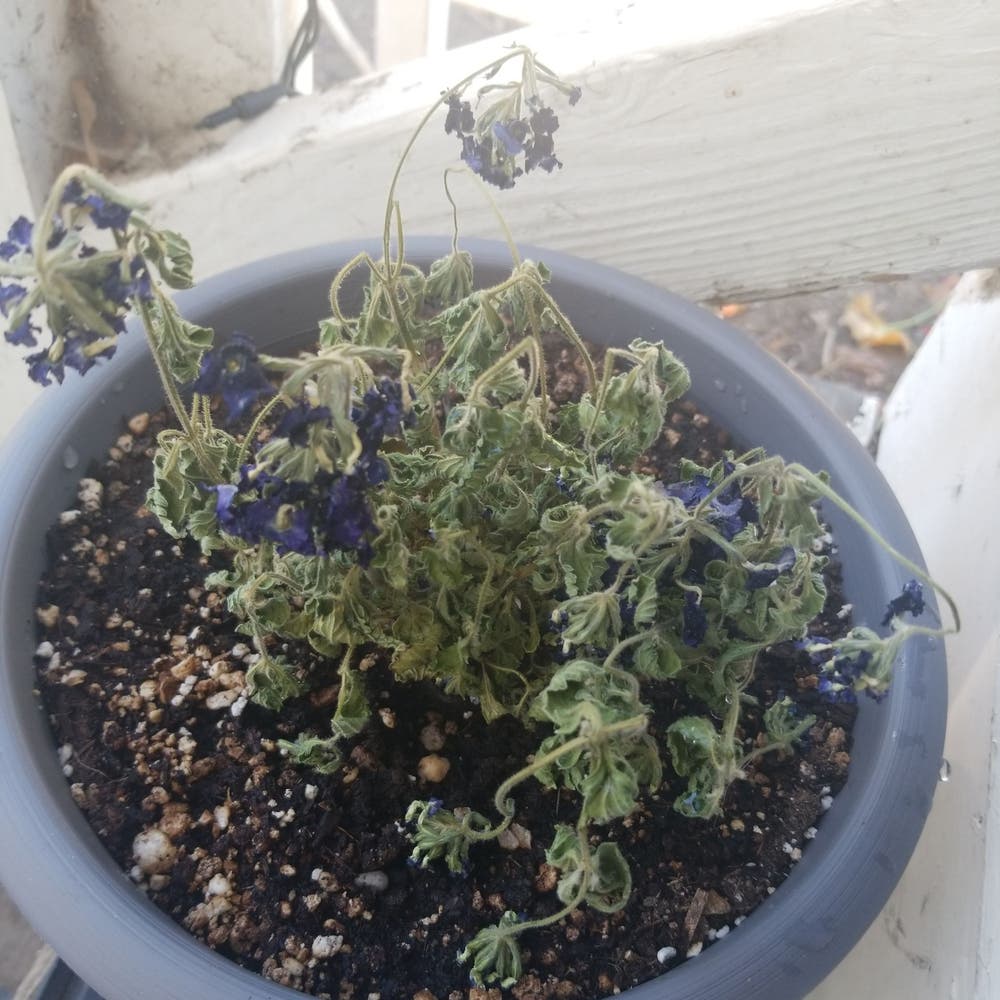
Wilting, yellowing leaves, and stunted growth are not your Garden Verbena's latest fashion statement. They're distress signals, loud and clear. If your plant looks more like it's been through a drought than a day at the spa, it's time to sit up and take notice.
The stench of root rot is unmistakable. It's the kind of smell that doesn't belong in a healthy garden—think 'swamp chic' without the chic. If your nose wrinkles in disgust at the soil's aroma, root rot could be the culprit.
🕵️♂️ Root Inspection
To confirm root rot, you'll need to play detective. Gently lift your Verbena from its pot and examine the roots. Healthy roots are the Arnold Schwarzeneggers of the plant world—strong and white. But if they're looking more like overcooked spaghetti, brown and mushy, it's time for action.
Immediate Rescue Operations
🌱 The Extraction and Trim
Gently uproot your Garden Verbena, like it's a delicate archaeological find. Inspect the roots. Healthy ones are firm and white, but if they're giving off a mushy vibe, it's time to play surgeon. Sterilize your shears—this isn't a kindergarten craft project. Snip away the rotten roots with the focus of a diamond cutter, leaving only the robust and white behind.
🧼 Disinfect and Restart
After the rootectomy, sterilize your tools again. Think hospital-level clean. Now, give your Verbena a fresh start with new, well-draining soil. It's like witness protection for plants—new identity, new home. Remember, the pot needs drainage holes to avoid future aquatic mishaps.
Revamping Your Watering Regime
💧 Finding the Sweet Spot
Overwatering and underwatering are the twin banes of garden verbena. Balance is the mantra here. Your goal is to maintain soil that's moist, not waterlogged. This means watering when the top inch of soil feels dry to the touch. It's less about sticking to a rigid schedule and more about responding to your plant's needs, which can change with the environment.
Tools of the Trade
Enter the moisture meter, a nifty gadget that can prevent the overzealous watering that leads to root rot. It's like a plant's best friend, giving you a clear signal when it's time to water. But don't let technology trump common sense; always double-check the soil's moisture by feeling it. If the meter reads 'moist' but the soil feels like a wrung-out sponge, trust your touch.
Soil and Pot Makeover
🌱 The Right Mix
Choosing the ideal potting mix for your garden verbena is like equipping it with the best survival gear. You need a blend that's light, airy, and drains faster than a sieve. Perlite, peat, and potting soil should be your go-to trio, creating a habitat that keeps roots snug yet breathable.
🕳️ Drainage is Key
Your pot's drainage game needs to be strong; think Swiss cheese levels of holes. Drainage holes are the lifeline for your plant's roots, preventing them from marinating in moisture. Skip the gravel layer myth; it's about as useful as a chocolate teapot. Instead, ensure your pot allows water to escape freely, safeguarding against the dreaded root rot.
Keeping the Fungus at Bay
🌬️ Airflow and Circulation
Good airflow is the nemesis of fungal growth. To ensure your garden verbena thrives, think of air circulation as the plant's personal bodyguard against mold and mildew. Space out your plants to allow air to move freely, reducing the risk of fungal infections. If you're growing indoors or in a greenhouse, consider using a fan to simulate a gentle breeze, which can help keep the air moving and prevent fungal spores from settling.
🛡️ Proactive with Preventatives
Fungicides are like the secret service of the plant world; they're not always in the spotlight, but they're essential for protection. Apply them before an infection occurs to shield your verbena from fungal invaders. When choosing a fungicide, opt for eco-friendly options and follow the label's instructions meticulously. Additionally, incorporating organic matter into your soil can promote a healthy soil microbiome, which acts as a natural defense system against harmful fungi. Remember, prevention is key, so keep those leaves dry and the air flowing to maintain a fortress against fungal foes.
⚠️ Safety First
This content is for general information and may contain errors, omissions, or outdated details. It is not medical, veterinary advice, or an endorsement of therapeutic claims.
Always consult a qualified healthcare professional before using any plant as food, medicine, or supplement.
Never eat any plant (or feed one to pets) without confirming its identity with at least two trusted sources.
If you suspect poisoning, call Poison Control (800) 222-1222, the Pet Poison Helpline (800) 213-6680, or your local emergency service immediately.
Spotted an error? Please report it here.
Avoid the despair of root rot in your garden verbena with balanced watering ⚖️ reminders from Greg, ensuring your green friends thrive without the guesswork.