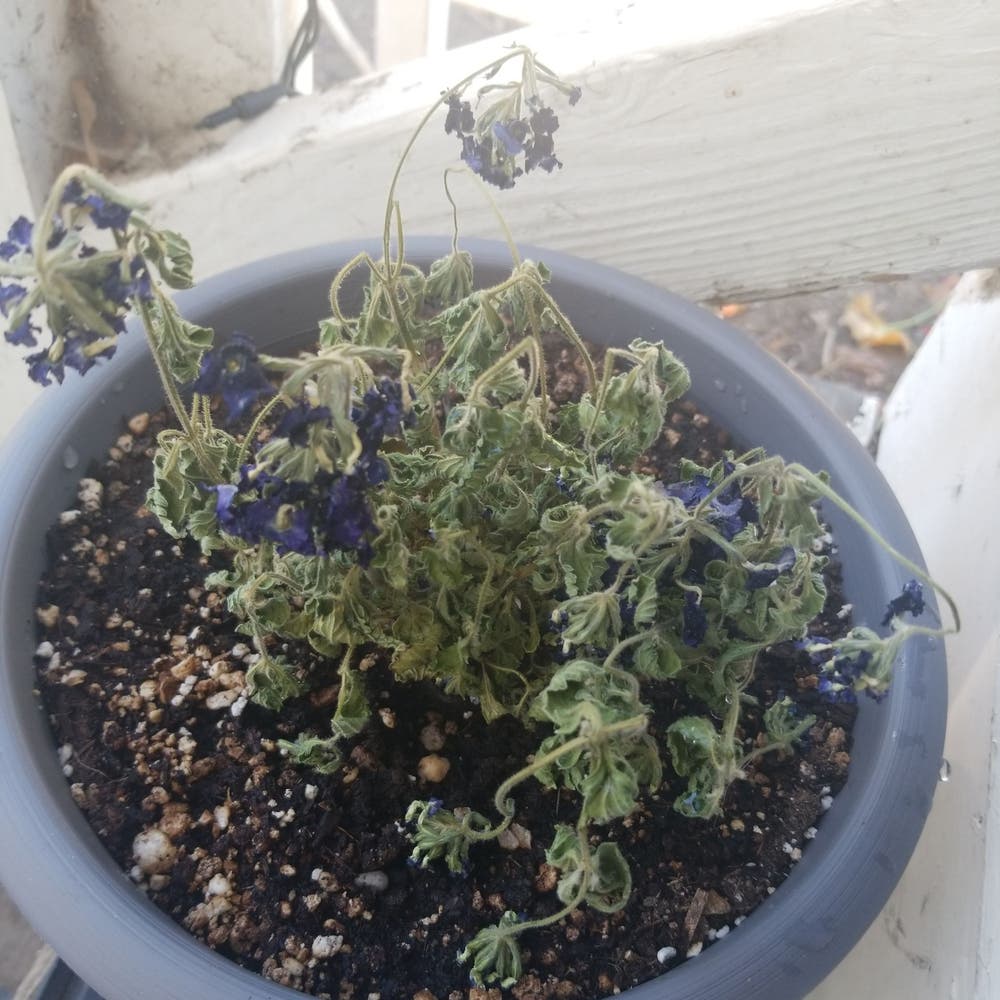
Why Are My Garden Verbena Leaves Falling Over?
Verbena x hybrida
By the Greg Editorial Team
Mar 26, 2024•3 min read
This article was created with the help of AI so we can cover more plants for you. May contain errors. See one? Report it here.
Stop your Verbena's slump 🍂 with proven tips for a perky, thriving garden!
- Water wisely to prevent Verbena droop; check soil moisture before watering.
- Soil and sun matter: Use well-draining soil and choose a sunny spot.
- Watch for pests and weather, and adjust care with the seasons.
Pinpointing the Culprits Behind the Droop
💧 Water Woes
Garden Verbena's droop can be a watering issue. Too much water leads to soggy soil and potential root rot, while too little leaves plants parched. A balanced approach is crucial. Check the soil an inch below the surface; if it's dry, it's time to water. If it's wet, hold off.
🌱 Soil Struggles
Soil quality is non-negotiable. Compacted or poor-draining soil suffocates roots, causing leaves to droop. Aeration is key. Mix in perlite or sand to improve drainage. Remember, healthy soil equals perky leaves.
🌦 Climate Challenges
Verbena thrives in stable conditions. Excessive heat can scorch leaves, while insufficient light weakens the plant. Protect your Verbena from extreme weather with strategic placement and consider shade during the hottest part of the day. Keep an eye on temperature fluctuations, which can stress the plant and lead to drooping.
Pests and Pathogens: Invisible Troublemakers
🐛 Bug Battles
Spider mites, aphids, and mealybugs are the usual suspects when Verbena leaves start to droop. These pests are tiny but mighty, sucking the life out of leaves and leaving behind discolored spots or sticky residue. Regular check-ups are essential to catch these critters early.
🍄 Fungal Foes
Fungal diseases come in various forms, often presenting as powdery mildew or black spots with a yellow halo. These fungi are stealthy, spreading through wind or water splash. Removing affected leaves promptly and considering a fungicide can help, but prevention is key—keep foliage dry and watch for the early signs of trouble.
First Aid for Foliage: Immediate Actions
💦 Emergency Watering Adjustments
Overwatering is like giving your plants an unwanted bath. If leaves are falling over and the soil is soggy, stop watering immediately. Let the soil dry out to the consistency of a damp cloth before you water again. For underwatered plants, it's time to up the ante. Water until the soil is moist, not drenched, and repeat when the top inch feels dry.
Soil and Support Solutions
When it comes to soil, think of it as the plant's mattress. Too hard or too soft and it's no good. If the soil is compacted, mix in some perlite or sand to improve drainage. Immediate support can be provided with stakes or ties, but don't strangle your plant with love; keep it gentle. If your plant's leaves look as sad as a deflated balloon, consider a nutrient boost. A balanced fertilizer can work wonders, but follow the instructions—this isn't a free-for-all buffet.
Long-Term Leaf Love: Prevention and Care
💧 Mastering Moisture
Garden Verbena's thirst is as particular as a connoisseur's palate. Establish a watering routine that's responsive to the plant's cues. Use a moisture meter to gauge soil dampness; water deeply but only when necessary. Remember, Verbena's dislike for wet feet is as strong as their love for the sun.
🌱 Soil and Site Selection
Choose well-draining soil to avoid waterlogged roots—a surefire mood killer for Verbena. Pair this with a sunny spot that gets at least 8 hours of light a day. Think of it as setting up a prime real estate for your plants where they can bask and thrive.
🌦 Seasonal Strategies
Seasons change, and so should your Verbena care. Adapt watering and maintenance with the weather. Less is more during the cooler months, while summer may call for more frequent hydration. It's like updating your wardrobe for the season, except it's for your Verbena's well-being.
⚠️ Safety First
This content is for general information and may contain errors, omissions, or outdated details. It is not medical, veterinary advice, or an endorsement of therapeutic claims.
Always consult a qualified healthcare professional before using any plant as food, medicine, or supplement.
Never eat any plant (or feed one to pets) without confirming its identity with at least two trusted sources.
If you suspect poisoning, call Poison Control (800) 222-1222, the Pet Poison Helpline (800) 213-6680, or your local emergency service immediately.
Spotted an error? Please report it here.
Prevent your Garden Verbena from drooping by perfecting your watering routine, and let Greg's moisture meter alerts 🚿 ensure you're always on point with your plant's needs.