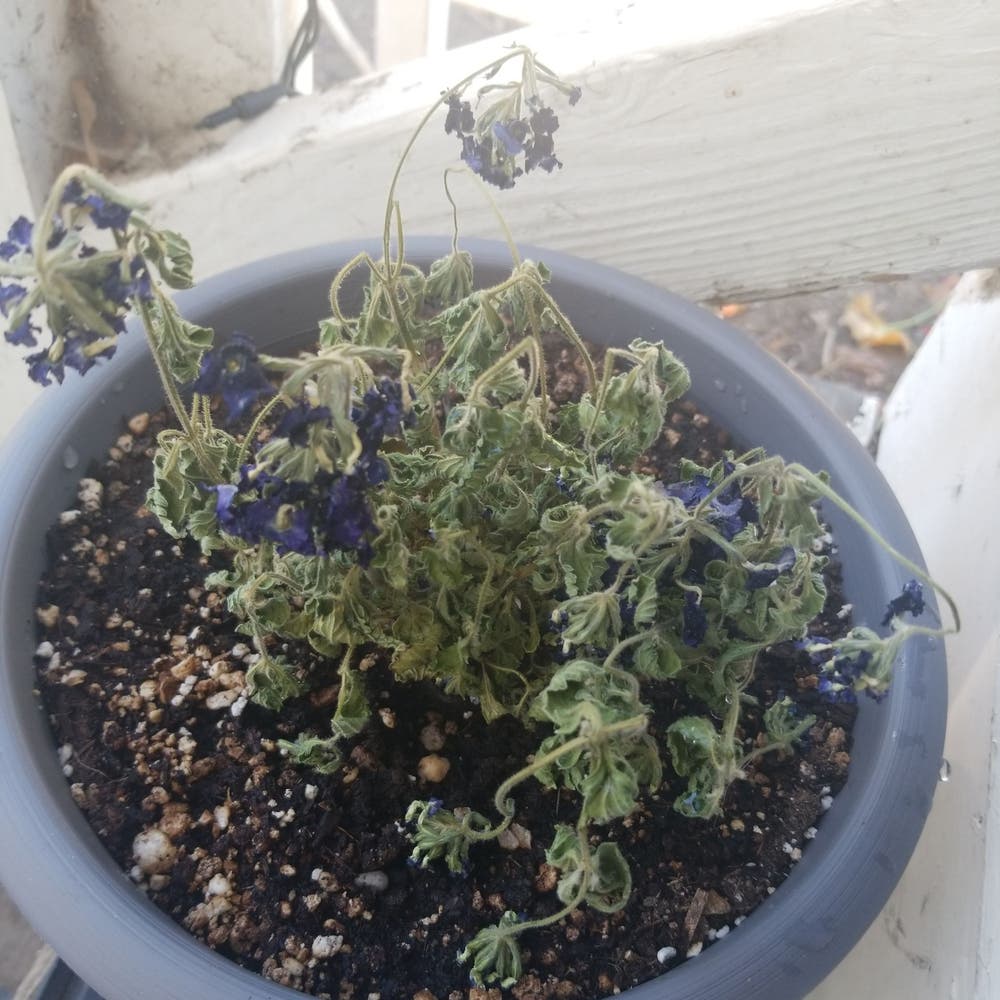
Why Are There Brown Spots on My Garden Verbena?
Verbena x hybrida
By the Greg Editorial Team
Mar 26, 2024•5 min read
This article was created with the help of AI so we can cover more plants for you. May contain errors. See one? Report it here.
Banish brown spots on your verbena 🌿 and reclaim your garden's allure with expert tips!
- Fungal and bacterial infections cause brown spots on verbena.
- Overwatering contributes to spot development; adjust watering routines.
- Prevent with good air circulation, proper sanitation, and strategic pruning.
Spotting the Trouble: Recognizing Brown Spots on Your Verbena
Brown spots on garden verbena are visual alarms. They start as tiny specks and can grow into larger patches, disrupting the plant's aesthetics and health.
🕵️♂️ Visual Cues: What Do These Brown Spots Look Like?
Irregular shapes and concentric rings are tell-tale signs of fungal or bacterial infections. These spots often have a darker border and may be surrounded by a yellow halo, distinguishing them from natural leaf discoloration.
📈 Progression Patterns: How Do Brown Spots Develop and Spread?
Initially isolated, brown spots can merge and spread if not addressed. They favor the undersides of leaves, stealthily expanding before becoming more noticeable. Regular inspections are crucial for early detection and intervention.
Zeroing in on the Culprits: Causes of Brown Spots
🍄 Fungal Foes
Powdery mildew and downy mildew are like the uninvited plus-ones at your verbena's leafy gala. These fungal foes leave behind a calling card of irregular patches or dusty coatings. They're not just eyesores; they're a threat to your plant's health.
🦠 Bacterial Bullies
Bacterial leaf spot enters the scene with a slimy texture, often bordered by a yellow halo or a red edge. These bullies are opportunists, exploiting every chance to spread through water droplets. Overwatering? That's practically sending them a gilded invitation.
💧 Water Woes
Overzealous watering is like throwing a pool party for pathogens. It's not just about quantity; poor drainage is their VIP pass, ensuring that the party in your soil lasts longer than anyone wants. Keep it dry, and you'll keep these party crashers out.
Crafting Your Counterattack: Treatment Tactics
🍄 Fungal Infections
Choosing the right fungicides is crucial. You're not just picking a bottle off the shelf; you're selecting a shield for your verbena. Potassium bicarbonate, tebuconazole, and trifloxystrobin are your go-to warriors. Apply them with precision—think of it as painting a masterpiece on each leaf.
Cultural changes can outsmart the fungus. Space your plants to avoid overcrowding, and prune regularly to promote air circulation. It's like giving your verbena a breath of fresh air and room to flex its leaves.
🦠 Bacterial Battles
For bacterial leaf spot, sanitation is key. Remove infected leaves with the care of a brain surgeon, and sterilize your tools as if prepping for an operation. This isn't just clean; it's clinical.
Selecting bactericides requires strategy. Copper compounds are your secret agents, but they need to be matched to the enemy. Apply with strategy, covering all leaf surfaces, and rotate products to keep bacteria in the dark.
💧 Water Management
Fine-tuning your watering routine is like being a ninja with moisture. Water at the base to keep foliage dry, avoiding the creation of a fungal playground. Ensure proper drainage, because soggy soil is a big no-no for verbena's health.
Keeping Your Verbena Spotless: Prevention Strategies
🌱 Proactive Plant Care
Routine checks are your plant's lifeline. Like a health-conscious individual tracking their vitals, inspect your Verbena regularly for the earliest signs of trouble. Catching brown spots early can mean the difference between a quick fix and a full-blown plant health crisis.
🌞 Environmental Vigilance
Consistent environment is your Verbena's best friend. Dramatic fluctuations in temperature and humidity are like kryptonite to plant health. Strive for that 'Goldilocks zone'—not too hot, not too cold, just right. Ensure your plant receives bright, indirect light; it's the sweet spot for thriving without the threat of scorching.
💨 Air Circulation
Good air circulation is like a breath of fresh air for your Verbena. It's simple: space your plants out. Overcrowding is the equivalent of a packed elevator in flu season—disease spreads fast. Give your plants room, and you'll give diseases their marching orders.
💧 Watering Wisdom
Watering is an art form. Overwatering is the root of all evil when it comes to brown spots. Let the soil dry out before giving your Verbena a drink. Early morning watering is ideal; it allows leaves to dry out during the day, reducing the risk of fungal invasions.
🌱 Soil and Nutrition
Well-draining soil is non-negotiable. It's the foundation of plant health, like a balanced diet for us humans. Pair it with the right nutrition, and you're setting your Verbena up for a spotless existence.
🧼 Sanitation and Isolation
Keep it clean. Sanitize your tools as if they're going into surgery—it's that important. New plants or those showing signs of disease should be isolated faster than a sneeze in a silent room. It's the plant equivalent of 'better safe than sorry.'
✂️ Pruning Practices
Pruning isn't just for aesthetics; it's a strategic play for better health. Think of it as removing deadweight to let your Verbena breathe and flourish. More airflow equals less chance for those dreaded brown spots to crash the party.
Remember, prevention isn't a one-off—it's a lifestyle for your garden. Implement these strategies with the diligence of a plant sentinel, and your Verbena will stand spotless, ready to dazzle.
⚠️ Safety First
This content is for general information and may contain errors, omissions, or outdated details. It is not medical, veterinary advice, or an endorsement of therapeutic claims.
Always consult a qualified healthcare professional before using any plant as food, medicine, or supplement.
Never eat any plant (or feed one to pets) without confirming its identity with at least two trusted sources.
If you suspect poisoning, call Poison Control (800) 222-1222, the Pet Poison Helpline (800) 213-6680, or your local emergency service immediately.
Spotted an error? Please report it here.
Eradicate brown spots 🍂 on your verbena by leveraging Greg's custom care plans for optimal watering and disease prevention, ensuring your garden's health and beauty.