Best Tips for Healthy Garden Verbena Roots 🥄
Verbena x hybrida
By the Greg Editorial Team
Oct 02, 2024•5 min read
This article was created with the help of AI so we can cover more plants for you. May contain errors. See one? Report it here.
Master Garden Verbena's root system 🌱 to ensure vibrant growth and resilience in your garden!
- 🌱 Healthy roots enhance nutrient absorption and adaptability in various soil types.
- 💧 Deep watering every 1-2 weeks promotes robust root growth and moisture access.
- 🐛 Monitor for pests like nematodes to prevent stunted growth and root issues.
Type of Root System
🌱 Characteristics and Advantages
Garden Verbena boasts a fibrous root system that is both extensive and efficient. This type of root structure allows for superior nutrient absorption and adaptability to various soil types.
Fibrous roots spread widely, often reaching out to absorb moisture and nutrients from a larger area. This adaptability makes Garden Verbena resilient, thriving in different environments and soil conditions.
The extensive spread of these roots also contributes to the plant's stability. A well-established root system helps the plant withstand environmental stressors, such as drought or heavy rain.
In summary, the fibrous roots of Garden Verbena are a key factor in its overall health and growth. Understanding this root system is essential for providing optimal care and ensuring a flourishing garden.
As we delve deeper into the specifics of root depth and spread, you'll discover how these characteristics influence the plant's growth patterns.
Root Depth and Spread
Growth Patterns 🌱
Garden Verbena boasts a remarkable root system that can reach depths of 12 to 18 inches. This depth allows the plant to access vital nutrients and moisture, promoting robust growth.
The roots also spread horizontally, often extending 2 to 3 feet wide. This extensive spread enhances the plant's adaptability to various soil types and conditions.
In well-draining soil, Garden Verbena establishes rapidly. This quick establishment is crucial for ensuring the plant thrives in your garden.
Understanding these growth patterns is essential for effective care. Proper root depth and spread contribute significantly to the overall health of your Garden Verbena.
Next, let’s explore the best practices for watering, fertilizing, and transplanting to support this vibrant plant.
Watering, Fertilizing, and Transplanting
💧 Watering Practices
Deep watering is essential for encouraging robust root depth in Garden Verbena. Aim to water every 1-2 weeks, adjusting based on soil moisture levels.
Proper drainage is crucial to prevent root rot. Ensure your soil allows excess water to escape, keeping roots healthy and thriving.
🌱 Fertilizing Methods
For optimal growth, fertilize in early spring and mid-summer. Use balanced NPK fertilizers, like a 10-10-10 mix, or consider organic options such as compost for a nutrient boost.
Regular fertilization supports vigorous growth and vibrant blooms, enhancing your garden's overall beauty.
🌼 Best Practices for Transplanting
Timing is key when transplanting Garden Verbena. Early spring or fall are ideal seasons for this task.
Follow these steps for successful transplanting:
- Prepare the site: Choose a well-draining location.
- Water before removal: Moist soil helps ease the transition.
- Gently loosen the root ball: Be careful not to damage the roots.
- Water immediately after transplanting: This helps settle the plant in its new home.
By mastering these watering, fertilizing, and transplanting techniques, you’ll set your Garden Verbena up for success. Next, let’s explore common root-related issues that can affect your plants.
Common Root-Related Issues
🕵️ Identifying Problems
Root Rot
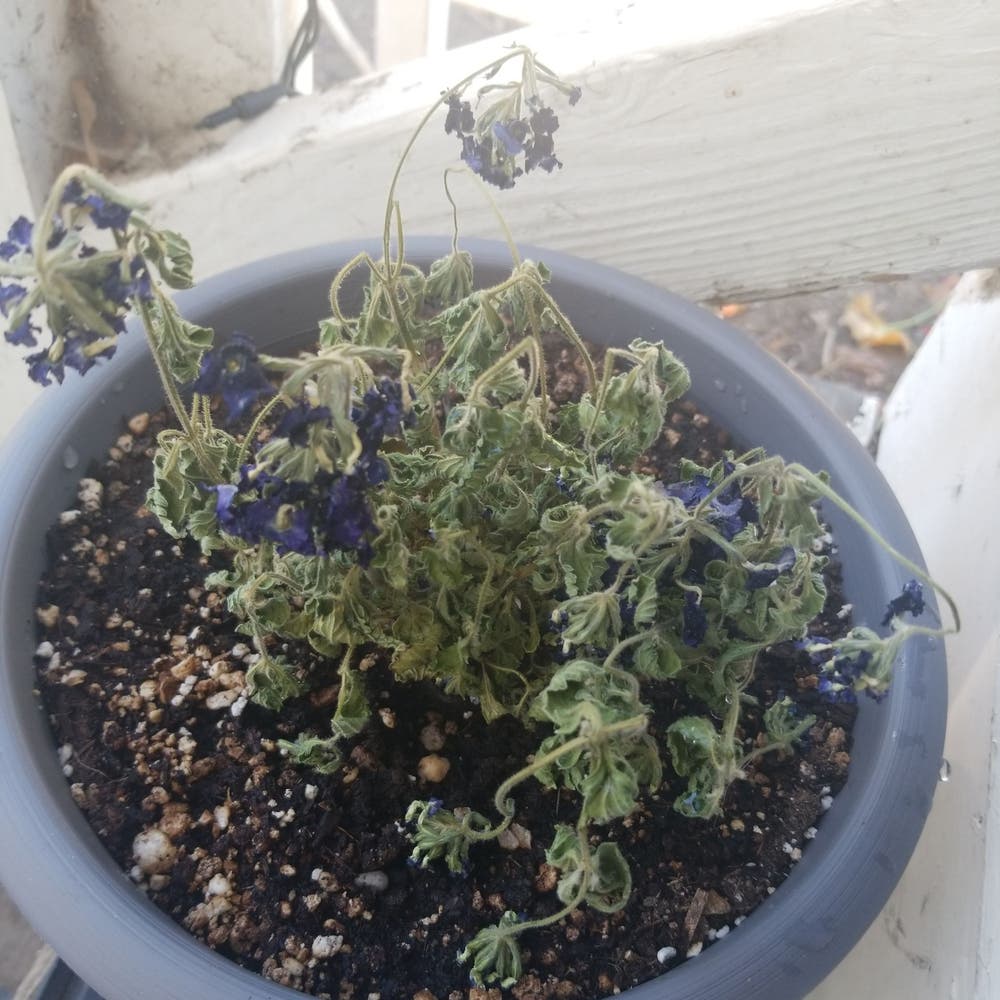
Root rot is a sneaky adversary for your Garden Verbena. Look out for symptoms like wilting, yellowing leaves, and stunted growth—these are telltale signs that your plant is struggling.
The primary culprits behind root rot are overwatering and poor drainage. If your soil retains too much moisture, it creates a perfect environment for this issue to thrive.
Pests
Pests can also wreak havoc on your verbena's roots. Common offenders include nematodes and root weevils, which can lead to stunted growth and visible damage.
Keep an eye out for any signs of infestation; early detection can save your plants from serious harm.
🛡️ Prevention and Solutions
To prevent root-related issues, start by ensuring proper drainage in your garden beds or pots. Inspecting roots during transplanting can also help catch problems before they escalate.
If you do encounter root rot, act quickly. Remove the affected roots and repot your verbena in fresh, well-draining soil to give it a fighting chance.
By staying vigilant and proactive, you can maintain a healthy root system and ensure your Garden Verbena thrives.
Next, let’s explore how to recognize root health through visual cues and indicators.
Recognizing Root Health
Visual Cues for Healthy vs. Unhealthy Roots 🌱
Healthy roots are a gardener's pride. Look for roots that are firm, with a white or light tan color and minimal odor.
In contrast, unhealthy roots present a worrying sight. They often appear dark and mushy, accompanied by a foul smell that signals trouble.
Indicators of Rootbound Plants 🪴
Rootbound plants can be a common issue. Signs include roots circling the pot, stunted growth, and water pooling on the surface.
To remedy this, repot the plant into a larger container. Pruning the circling roots can also help rejuvenate your plant's growth.
Recognizing these signs early can make a significant difference in your Garden Verbena's health. With a little attention, you can ensure your plants thrive and flourish.
Overall Plant Health and Resilience
🌱 Role of the Root System
The root system of Garden Verbena plays a crucial role in nutrient and moisture uptake. It provides stability and supports overall growth, ensuring the plant thrives in various conditions.
⚡️ Impact of Stress Factors
🌵 Drought Resilience
Deep roots allow Garden Verbena to access moisture even during dry spells. This adaptability is vital for maintaining health in fluctuating weather.
🐛 Pest and Disease Resistance
Healthy roots bolster the plant's overall vigor, making it more resistant to pests and diseases. A robust root system is your first line of defense against potential threats.
🛠️ Strategies for Enhancing Resilience
To keep your Garden Verbena thriving, regular monitoring and care are essential. Implementing stress-reducing practices, such as proper watering and fertilization, can significantly enhance resilience.
By understanding the importance of the root system, you can ensure your Garden Verbena remains healthy and vibrant. This knowledge not only helps in nurturing the plant but also fosters a deeper connection with your gardening journey.
⚠️ Safety First
This content is for general information and may contain errors, omissions, or outdated details. It is not medical, veterinary advice, or an endorsement of therapeutic claims.
Always consult a qualified healthcare professional before using any plant as food, medicine, or supplement.
Never eat any plant (or feed one to pets) without confirming its identity with at least two trusted sources.
If you suspect poisoning, call Poison Control (800) 222-1222, the Pet Poison Helpline (800) 213-6680, or your local emergency service immediately.
Spotted an error? Please report it here.
Nurture vibrant Garden Verbena roots 🌱 by mastering deep watering and proper drainage, and let Greg's tailored care reminders guide you to effortless plant success!