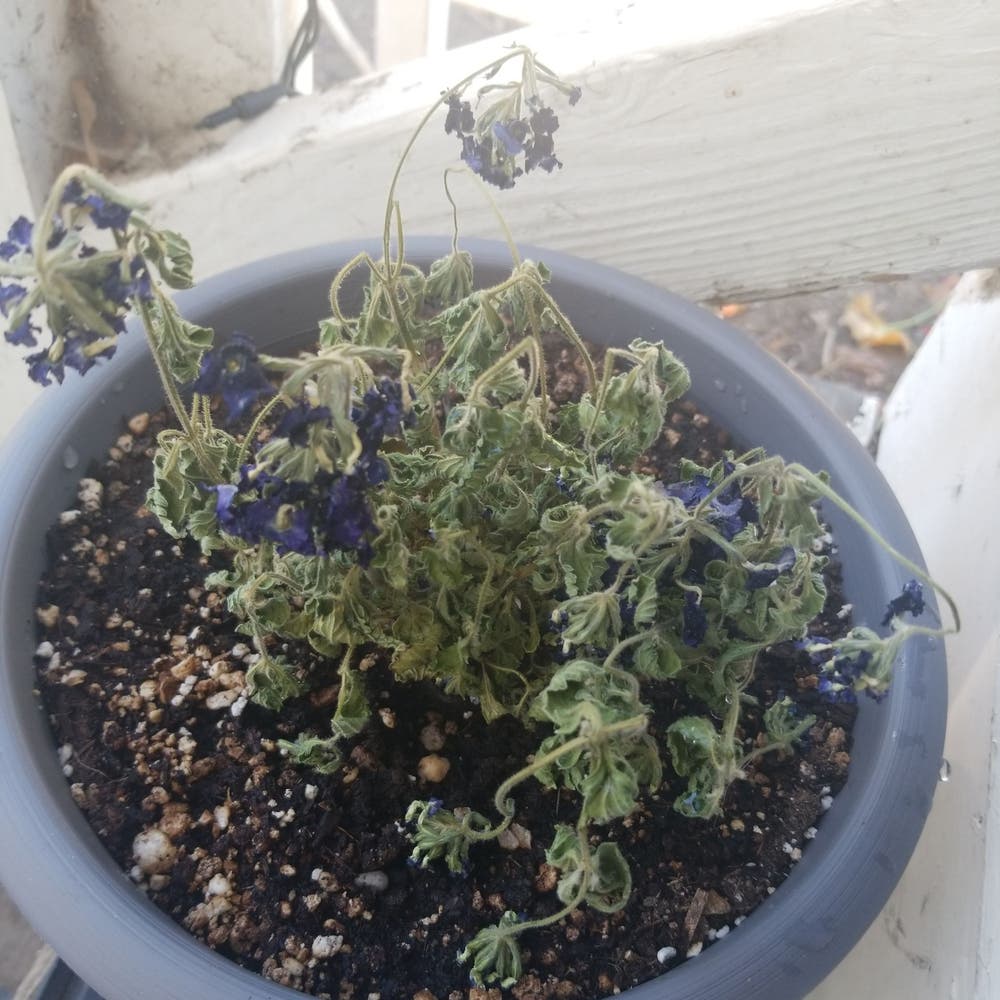
What Does It Mean When Garden Verbena Blooms?
Verbena x hybrida
By the Greg Editorial Team
Mar 26, 2024•4 min read
This article was created with the help of AI so we can cover more plants for you. May contain errors. See one? Report it here.
Unveil the magic of Verbena blooms 🌸, transforming your garden into an ecosystem paradise.
- 🌞 Full sun and 65°F-75°F are ideal for Verbena blooms.
- 🌼 Deadheading and pruning encourage continuous flowering.
- 🐝 Flowers attract pollinators, enriching your garden's ecosystem.
When and Why Verbena Puts on a Show
🌸 Understanding the Bloom Cycle
Garden Verbena's bloom season kicks off in late spring and can push through to late summer, sometimes even teasing us into fall. The flowers typically grace your garden for two to three weeks before they take a bow, but with a bit of deadheading, they're ready for an encore.
The Role of Blooms in Verbena's Life
Verbena's flowers are more than just eye candy; they're the plant's mating call to pollinators. Bees, butterflies, and other garden guests can't resist the allure, and their visits ensure the cycle of life continues, turning your garden into a buzzing ecosystem.
Getting Your Verbena to Flower
🌞 Sunlight and Temperature: The Dynamic Duo
Verbena is a sun worshipper. Full sun is non-negotiable for these beauties to strut their stuff. We're talking a solid 6 to 8 hours of sunshine daily. But don't let them bake; extreme heat waves are as welcome as a snowstorm at a beach party.
Temperature matters, too. Think of it as the thermostat for flowering—set it right, and you're golden. Aim for a comfy 65°F to 75°F range. Too hot or too cold, and Verbena's blooming ambitions go on hiatus.
🍽️ Soil and Nutrition: The Flower Fuel
Soil is Verbena's stage, and it must be well-draining. Waterlogged roots are a ticket to plant purgatory. Organic matter is your go-to for amping up the soil's performance.
When it comes to fertilizer, think of it as the secret sauce for flower power. A balanced, slow-release type is your best bet. Go for a 3-1-2 mix or anything that screams "flowers." Monthly applications during the growing season will keep the blooms coming. Remember, always water before fertilizing to avoid the dreaded root burn.
Pruning and Deadheading: The Secret to Continuous Blooms
🌱 Pruning for Potency
Pruning isn't just a trim; it's a strategic cut. Timing is crucial—prune right after the bloom cycle to avoid snipping future flowers. This encourages a bushier plant with more stems, and more stems mean more potential blooms.
🌸 Deadheading for More Flowers
Deadheading is like a plant's productivity hack. Remove spent flowers to stop seed production and redirect energy to new blooms. It's a no-brainer: faded flowers go, vibrant ones grow. Keep an eye out for wilting—that's your cue to snip. Doing this regularly can turn your garden into a bloom factory.
Flowering Troubles and Triumphs
🌸 Common Flowering Problems
Even the resilient Garden Verbena can hit a rough patch, leading to flowering woes like bud drop and lackluster blooms. Let's troubleshoot.
🥀 Bud Drop
It's a real bummer when Verbena drops its buds before they bloom. Consistency is key. Dramatic changes in temperature, moisture, or light can stress your plant, causing it to ditch its buds. Keep conditions steady to avoid this floral faux pas.
🌼 Lackluster Blooms
If your Verbena's flowers are more "meh" than "wow," it might be craving more sunlight or better soil drainage. Make sure it's basking in full sun for the optimal amount of time and planted in well-draining soil to avoid waterlogged roots.
🌿 Environmental Stressors
Environmental factors can be the silent saboteurs of your Verbena's bloom show. Let's face them head-on.
🌡️ Temperature Tantrums
Verbena doesn't appreciate the extremes. Too hot or too cold, and it'll go on strike, refusing to flower. Aim for a consistent environment, and if a heatwave hits, give your plant some shade.
💧 Water Woes
Overwatering can lead to root rot, while underwatering stresses the plant out. Strike a balance with consistent moisture that keeps the soil damp but not soggy.
🐜 Pests: Uninvited Guests
Aphids and spider mites are like those party crashers who eat all the snacks. Regular checks and prompt evictions are crucial to keep these pests from hijacking your Verbena's nutrients.
🌱 Soil and Fertilization
Poor soil conditions and lack of nutrients can also prevent your Verbena from reaching its flowering potential. Ensure the soil is fertile and well-aerated, and don't skimp on the fertilizer—a balanced feed can work wonders.
By tackling these common issues, you'll set the stage for a spectacular Verbena bloom. Remember, early detection and action are your best defense against these flowering party poopers.
⚠️ Safety First
This content is for general information and may contain errors, omissions, or outdated details. It is not medical, veterinary advice, or an endorsement of therapeutic claims.
Always consult a qualified healthcare professional before using any plant as food, medicine, or supplement.
Never eat any plant (or feed one to pets) without confirming its identity with at least two trusted sources.
If you suspect poisoning, call Poison Control (800) 222-1222, the Pet Poison Helpline (800) 213-6680, or your local emergency service immediately.
Spotted an error? Please report it here.
Ensure your garden Verbena blooms brilliantly 🌼 by tracking sun exposure and care schedules with Greg, turning your green space into a vibrant ecosystem.