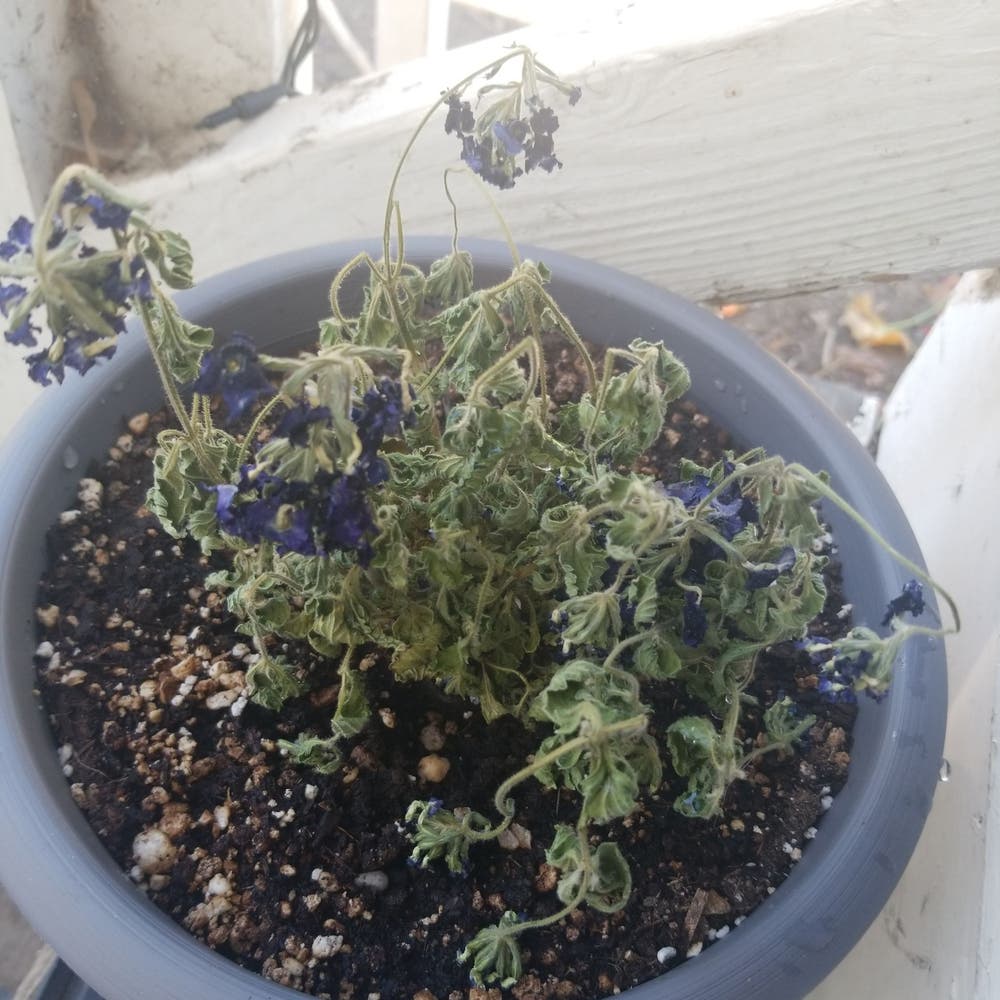
Why Is My Garden Verbena Dropping Leaves?
Verbena x hybrida
By the Greg Editorial Team
Mar 26, 2024•4 min read
This article was created with the help of AI so we can cover more plants for you. May contain errors. See one? Report it here.
Prevent your verbena's unexpected leaf-fall 🍂 and ensure a vibrant garden with these vital care secrets.
- 🍂 Sudden leaf drop signals health issues; watch for discoloration and wilting.
- 💧🌡️ Balance water, temperature, and humidity to prevent Verbena stress.
- 🌱 Nutrient balance is key; use flower-specific fertilizer and soil tests.
Spotting the Signs: When Your Verbena Starts Shedding
🚨 Visual Clues of Distress
Discoloration and wilting are the red flags of a Verbena in distress. Before leaves take the plunge, they often exhibit a change in color—yellows and browns creeping in where vibrant greens once were. Leaves may feel brittle or look deflated, signaling that your plant's health is on the decline.
🕰 Timing and Pattern of Leaf Drop
Leaf drop that's seasonal may not ring alarm bells, but a sudden onslaught of falling leaves is a cry for help. A healthy Verbena will part with its older leaves gracefully over time. However, if you're witnessing a rapid and uncharacteristic leaf drop, especially in the younger foliage, it's time to play plant detective.
The Thirst Quandary: Watering Woes
💦 Too Much Love: The Perils of Overwatering
Yellowing leaves and mushy stems are your garden's way of saying you've gone overboard with the H2O. Verbena thrives in moist soil, but drowning roots can't breathe, leading to a rapid leaf departure. If the soil feels more like a swamp than fertile ground, it's time to ease up on the watering can.
🏜️ When Dry Spells Spell Trouble
Conversely, Verbena leaves turning brittle and soil pulling away from the pot's edge are distress signals of dehydration. These plants are no cacti; they need consistent moisture to keep their foliage perky. If your Verbena looks more parched than a sunbaked desert, it's a clear sign to quench its thirst—stat.
Feeling the Heat: Temperature and Humidity Havoc
🌡️ When Temperatures Take a Toll
Garden Verbena isn't a fan of extreme weather. Heatwaves can cause your Verbena to wilt and drop leaves as if it's surrendering to the sun. Conversely, a cold snap can turn leaves brittle, leading to a leaf-drop apocalypse. To avoid these extremes:
- Shield your Verbena from the midday sun during scorchers.
- Provide some warmth during unexpected frosts, like a plant blanket or moving pots indoors.
💦 Humidity: Finding the Sweet Spot
Humidity is the silent guardian of your Verbena's wellbeing. Too much, and you're hosting a fungal party; too little, and your Verbena's leaves will crisp up faster than toast. Here's how to hit the humidity jackpot:
- Use a humidifier or pebble tray to keep the air around your Verbena just right.
- Ensure airflow is good to prevent moisture from getting too clingy.
- Keep your Verbena away from dry air sources like heaters or air conditioners.
Remember, your Verbena's comfort zone is a mild spring day—aim to replicate that in your garden or home.
Feeding Finesse: Nutrient Know-How
💡 The Telltale Signs of Starvation
Yellowing leaves often scream nitrogen deficiency, while a verbena that's all leaves and no blooms may be overdosing on nitrogen at the expense of phosphorus and potassium. Spindly growth? Shout out for potassium. Leaf analysis is like a plant's medical check-up, revealing what's missing in its diet.
🍽️ Crafting the Perfect Diet
Balanced fertilization is the mantra. A mix rich in N-P-K is essential, but don't ghost micronutrients like iron and manganese. It's a tightrope walk—overfeed and you'll scorch the leaves, underfeed and you'll stunt growth. Follow the fertilizer script, but stay flexible; observe your verbena's vibe and tweak as needed. Organic options like fish bone meal or compost are the slow-release jazz that keeps the soil grooving. Remember, it's not about dumping a nutrient salad; it's about precision. Keep an eye on the feedback post-feeding, it's like tuning an instrument for that perfect harmony.
Reviving Your Verbena: Practical Solutions and Preventative Measures
💧 Fine-Tuning Your Watering Regimen
Watering verbena correctly is more art than science. Start with a daily check; if the soil feels dry, it's time to water. For container-grown plants, this might mean daily watering. Always test the soil first to avoid waterlogging, which can lead to root rot. Remember, your Verbena's thirst varies with the weather.
🌡️ Creating a Comfortable Climate
Verbena thrives in a Goldilocks climate—not too hot, not too cold. If temperatures soar, provide some shade. During cold snaps, consider protective measures like mulching. Good air circulation is crucial, so give your plants space to breathe. Adjusting your plant's environment can prevent stress-induced leaf drop.
🍽️ Nutritional Interventions
Feed your Verbena a balanced diet. A flower-specific fertilizer can encourage blooming. Apply it monthly during the growing season, after watering to avoid fertilizer burn. If leaves still look lackluster, consider a soil test to tailor your fertilization plan more precisely. Remember, over-fertilization can be as harmful as starvation.
⚠️ Safety First
This content is for general information and may contain errors, omissions, or outdated details. It is not medical, veterinary advice, or an endorsement of therapeutic claims.
Always consult a qualified healthcare professional before using any plant as food, medicine, or supplement.
Never eat any plant (or feed one to pets) without confirming its identity with at least two trusted sources.
If you suspect poisoning, call Poison Control (800) 222-1222, the Pet Poison Helpline (800) 213-6680, or your local emergency service immediately.
Spotted an error? Please report it here.
Keep your garden Verbena thriving 🌿 with Greg's personalized care plans that prevent leaf drop by ensuring the perfect balance of water, nutrients, and love.