🌹 3 Tips for Healing Brown Spots on Your Rambling Rose
Rosa spp.
By the Greg Editorial Team
Oct 18, 2024•5 min read
This article was created with the help of AI so we can cover more plants for you. May contain errors. See one? Report it here.
- 🌹 Identify causes of brown spots for effective treatment of rambling roses.
- 🦠 Fungal and bacterial issues present distinct symptoms; know the difference for proper care.
- 🌧️ Regular inspections and adjustments prevent stress and promote healthy rose growth.
Diagnosing the Problem
Differentiating Between Fungal, Bacterial, and Environmental Causes 🌱
Identifying the cause of brown spots on your rambling rose is crucial for effective treatment.
Fungal Symptoms: Look for dark, circular spots with fringed edges. These are often a sign of fungal infections that can spread quickly if not addressed.
Bacterial Symptoms: Irregular, water-soaked spots that may ooze indicate a bacterial issue. This type of damage can lead to more severe problems if left untreated.
Environmental Symptoms: Brown edges or tips often result from stress factors like drought or nutrient deficiencies. Recognizing these signs can help you adjust care practices accordingly.
Importance of Leaf Inspection and Soil Analysis 🔍
Regular leaf checks are essential for spotting early signs of disease. Make it a habit to inspect your roses weekly for any unusual changes.
Soil moisture assessment is equally important. Overwatering or poor drainage can lead to root rot, exacerbating leaf issues.
Testing soil pH and nutrient levels ensures your roses receive optimal care. A balanced environment promotes healthy growth and resilience against diseases.
By diagnosing the problem accurately, you set the stage for effective treatment options. Next, let’s explore various treatment methods to restore your rose's health.
Treatment Options
🌱 Organic Treatments for Brown Spots
When it comes to treating brown spots on your rambling rose, organic options can be both effective and gentle.
Neem Oil
Neem oil is a powerhouse for fungal control. To apply, mix it with water according to the instructions on the label and spray it directly onto the affected leaves, ensuring full coverage.
Baking Soda Solution
A simple baking soda solution can also work wonders. Combine one tablespoon of baking soda with a gallon of water and spray it on the leaves every 7 to 14 days to help combat fungal issues.
Compost Tea
Brewing compost tea is another fantastic organic method. Steep compost in water for 24 to 48 hours, strain it, and then apply it to your roses to boost leaf health and resilience.
🧪 Chemical Treatments and Fungicides
If organic treatments aren't cutting it, chemical options are available.
Recommended Fungicides
Look for fungicides containing active ingredients like chlorothalonil or myclobutanil. These can effectively target fungal infections when used as directed.
Application Timing
Timing is crucial for maximum effectiveness. Apply fungicides during dry weather, ideally in the early morning or late afternoon, to avoid burning the leaves.
📋 Step-by-Step Guide to Applying Treatments
Follow these steps for effective treatment:
- Identify the type of brown spots: Determine if they are fungal, bacterial, or environmental.
- Choose the appropriate treatment: Decide between organic or chemical options based on your assessment.
- Prepare the treatment solution: Follow the instructions for your chosen treatment.
- Apply to affected areas: Ensure even coverage on all affected leaves.
- Monitor results: Check back regularly and reapply as necessary to maintain plant health.
By following these treatment options, you can effectively manage brown spots and keep your rambling rose thriving. Next, let’s explore preventive measures to ensure your roses stay healthy and vibrant.
Preventive Measures
Best Practices for Watering and Soil Management 🌧️
Maintaining optimal soil moisture is crucial for the health of your rambling rose. Watering frequency should be adjusted based on weather conditions, ensuring the soil remains consistently moist but not soggy.
Well-draining soil is essential to prevent root rot and other issues. Consider adding organic amendments like compost to improve drainage and nutrient levels.
Importance of Pruning and Air Circulation ✂️
Pruning is vital for removing affected leaves and promoting airflow around your plants. Regularly trim back any dead or diseased foliage to keep your roses healthy.
Spacing your plants adequately allows for better air circulation, reducing humidity around the leaves. This simple practice can significantly lower the risk of fungal infections.
Choosing Disease-Resistant Varieties 🌹
Opting for disease-resistant rose varieties can save you time and effort in the long run. Varieties like 'Kiftsgate' and 'Malvern Hills' are known for their resilience against common diseases.
Selecting resistant plants not only enhances your garden's health but also contributes to a more sustainable gardening practice. You'll enjoy vibrant blooms with less worry about brown spots.
By implementing these preventive measures, you can create a thriving environment for your rambling roses. Next, let’s explore seasonal care considerations to further enhance your gardening success.
Seasonal Care Considerations
Adjusting Care Routines Based on Weather Conditions 🌧️
Weather plays a crucial role in the health of your rambling rose. During rainy seasons, it's essential to modify your watering practices to prevent overwatering, which can lead to root rot and brown spots.
Monitor the soil moisture closely. If the ground feels damp, hold off on watering to allow the roots to breathe.
Hot Spells: Increased Monitoring for Signs of Stress and Disease ☀️
In hot spells, your roses may show signs of stress. Increased temperatures can lead to wilting and browning, so keep a watchful eye on your plants.
Check for any signs of disease, such as brown spots or drooping leaves. Early detection is key to maintaining their health during these challenging conditions.
By adjusting your care routines according to the weather, you can help your rambling rose thrive year-round. This proactive approach sets the stage for a vibrant, healthy garden.
Common Misconceptions
🌹 Myths About Brown Spots and Rose Care
Many gardeners misunderstand the role of sunlight in rose health. While roses thrive in bright light, too much direct sun can scorch leaves, leading to brown spots.
Another common belief is that overwatering is the sole cause of brown spots. In reality, inconsistent watering practices can also stress your plants, making them more susceptible to diseases.
🐛 Clarifying the Role of Pests in Leaf Discoloration
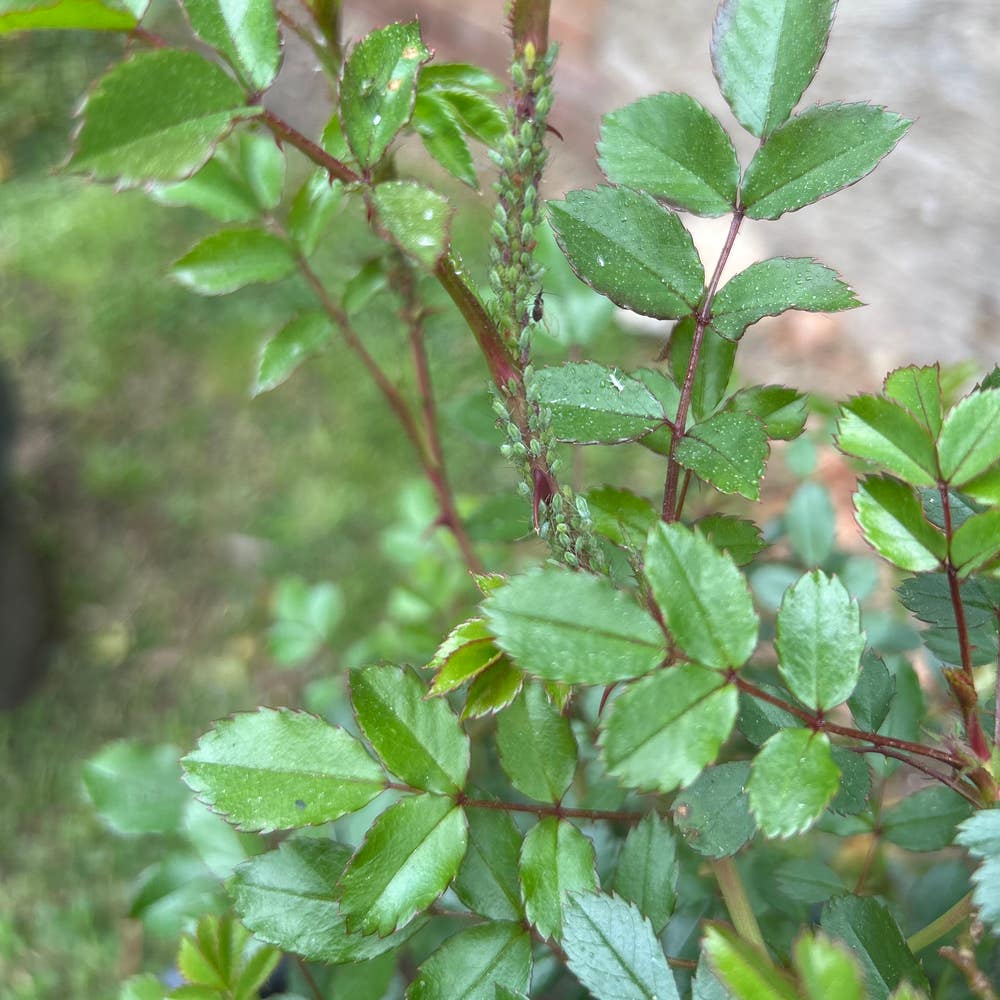
Pests can significantly impact your roses, causing visible damage. Common culprits include aphids and spider mites, which can lead to yellowing and browning of leaves.
It's crucial to differentiate between pest damage and disease symptoms. Inspect your plants closely; pest damage often appears as small holes or webbing, while disease symptoms typically manifest as spots or discoloration.
Understanding these misconceptions can empower you to take better care of your rambling roses. With the right knowledge, you can ensure your plants remain healthy and vibrant.
⚠️ Safety First
This content is for general information and may contain errors, omissions, or outdated details. It is not medical, veterinary advice, or an endorsement of therapeutic claims.
Always consult a qualified healthcare professional before using any plant as food, medicine, or supplement.
Never eat any plant (or feed one to pets) without confirming its identity with at least two trusted sources.
If you suspect poisoning, call Poison Control (800) 222-1222, the Pet Poison Helpline (800) 213-6680, or your local emergency service immediately.
Spotted an error? Please report it here.
Heal those brown spots and keep your rambling roses blooming beautifully 🌹 with Greg's tailored care tips and reminders that ensure your plants thrive all season long!