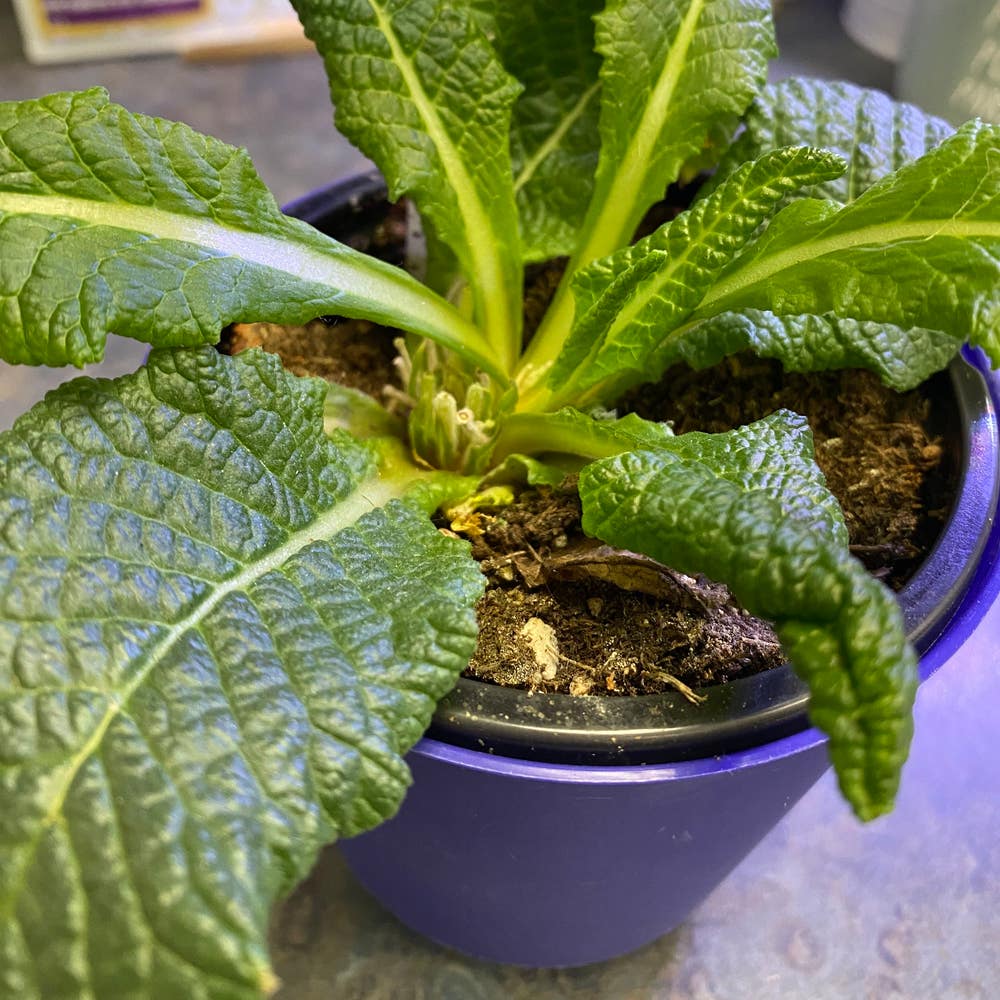
🌼 How to Fix Yellow Leaves on Your Yellow Primrose
Primula lutescens
By the Greg Editorial Team
Nov 22, 2024•6 min read
This article was created with the help of AI so we can cover more plants for you. May contain errors. See one? Report it here.
- 🌱 Yellow leaves indicate issues like nutrient deficiencies, pests, or improper watering.
- 💧 Overwatering or underwatering causes yellowing; adjust watering practices accordingly.
- 🐛 Pests like aphids can damage leaves; inspect regularly for early detection.
Causes of Yellow Leaves
🌱 Nutrient Deficiencies
Nitrogen Deficiency
Nitrogen deficiency is a common issue that manifests as general yellowing of older leaves and stunted growth. This nutrient is vital for chlorophyll production, which is essential for the overall vigor of your Yellow Primrose.
Iron Deficiency
Iron deficiency presents itself through yellowing between leaf veins, while the veins themselves remain green. Iron plays a crucial role in photosynthesis and enzyme function, making it essential for healthy plant growth.
💧 Overwatering and Root Rot
Overwatering can lead to yellow leaves, wilting, and mushy roots. Yellow Primrose thrives in well-draining soil; waterlogged conditions can quickly result in root rot.
- Signs of Overwatering:
- Soil remains wet
- Foul odor from roots
🌵 Underwatering and Drought Stress
Underwatering causes yellowing leaves, crispy edges, and drooping. Insufficient water leads to stress, which negatively impacts leaf health.
- Signs of Underwatering:
- Dry soil
- Wilting leaves
🐛 Pest Infestations
Aphids
Aphids are tiny pests that can cause curling leaves and leave a sticky residue on the plant. They weaken your Primrose by sucking sap, which can stunt its growth.
Spider Mites
Spider mites thrive in dry conditions and can cause significant damage. Look for fine webbing and stippled or yellowing leaves as signs of their presence.
🍄 Fungal Diseases
Powdery Mildew
Powdery mildew appears as white powdery spots on leaves, accompanied by yellowing. This fungal infection can weaken your plant and hinder its growth.
Root Rot
Root rot is characterized by yellowing leaves, wilting, and blackened roots. It is primarily caused by overwatering and poor drainage, making it crucial to monitor your watering habits.
Understanding these causes is the first step toward restoring your Yellow Primrose to its vibrant self. Next, we will explore how to diagnose yellow leaves effectively.
Diagnosing Yellow Leaves
👀 Visual Symptoms to Look For
When diagnosing yellow leaves on your Yellow Primrose, start by assessing the color and texture. Look for yellowing patterns, spots, or wilting that can indicate various issues.
Next, identify the age of the affected leaves. Older leaves may show signs of stress differently than new growth, helping you pinpoint the problem.
💧 Soil Moisture Testing
Soil moisture testing is crucial for understanding your plant's needs. Use the finger test or a moisture meter to check if the soil is too dry or overly saturated.
This practice ensures that you’re following proper watering techniques, which is vital for your plant's health.
🐛 Checking for Pests and Diseases
Inspecting your plant for pests and diseases is another essential step. Look closely at the undersides of leaves and stems for any signs of infestations.
Additionally, be on the lookout for symptoms of fungal infections or other diseases that could be affecting your Primrose.
☀️ Assessing Light Conditions
Evaluating light conditions is key to maintaining a healthy plant. Determine if your Yellow Primrose is receiving too much direct sunlight or not enough light.
Proper light exposure is essential for healthy growth and vibrant blooms, so make adjustments as needed.
By carefully diagnosing these aspects, you can better understand the causes of yellow leaves and take appropriate action. Next, let’s explore effective treatment options to revive your Yellow Primrose.
Treatment Options
🌊 Adjusting Watering Practices
Overwatering can be a silent killer for your Yellow Primrose. To correct this, start by allowing the soil to dry out completely, giving the roots a chance to breathe.
Next, ensure proper drainage by repotting if necessary. This simple step can make a world of difference in preventing root rot.
On the flip side, if your plant is suffering from underwatering, gradually increase your watering frequency. Keep a close eye on soil moisture to ensure your Primrose gets just the right amount of hydration.
🌱 Fertilizing with Appropriate Nutrients
Fertilizing is key to reviving your Yellow Primrose. Opt for a balanced NPK fertilizer or specific nitrogen and iron supplements to address nutrient deficiencies.
Apply these fertilizers every 4-6 weeks during the growing season to keep your plant thriving and vibrant.
🐞 Treating Pests with Insecticidal Soap
If pests are wreaking havoc on your Primrose, insecticidal soap can be your best friend. Spray it directly on the affected areas to tackle those pesky invaders.
For effective control, repeat this treatment every 7-10 days until you notice a significant reduction in pest activity.
🦠 Managing Diseases with Fungicides
Fungal diseases can be tricky, but managing them is essential for your plant's health. Consider using either organic options or chemical treatments based on your preference and the severity of the issue.
Timing is crucial; apply fungicides at the first sign of disease to give your Primrose the best chance of recovery.
🌧️ Improving Soil Drainage
Soil drainage is vital for a healthy Yellow Primrose. To enhance aeration and prevent waterlogging, consider adding perlite or sand to your soil mix.
This simple adjustment can significantly improve root health and overall plant vigor.
With these treatment options in hand, you're well-equipped to tackle yellow leaves on your Yellow Primrose. Next, let’s explore some preventative measures to keep your plant thriving long-term.
Preventative Measures
Best Practices for Watering 🌊
To keep your Yellow Primrose thriving, water it when the top inch of soil feels dry. This simple practice helps prevent both overwatering and underwatering, ensuring your plant stays healthy.
Choosing the Right Soil Mix 🌱
Opt for a well-draining potting soil enriched with organic matter. This mix supports healthy root development, which is crucial for your plant's overall vigor.
Regularly Inspecting for Pests 🐛
Make it a habit to check your Primrose weekly during the growing season for any signs of pests. Early detection is key to preventing infestations that can harm your plant.
Seasonal Care Tips 🌦️
Adjust your care routine based on the changing seasons. Modifying your watering and fertilization schedules helps your plant adapt to environmental conditions, promoting optimal growth.
Proper Light Exposure ☀️
Place your Yellow Primrose in bright, indirect light for best results. Proper light exposure is essential for ensuring vibrant blooms and healthy foliage.
By implementing these preventative measures, you can foster a thriving environment for your Yellow Primrose. This proactive approach not only enhances the plant's health but also enriches your gardening experience.
Post-Treatment Care
Monitoring Recovery of Leaves 🌱
After treatment, keep an eye on your Primrose for signs of recovery. Look for new growth and a return of vibrant leaf color, which indicate that your efforts are paying off.
Adjusting Care Based on Plant Response 🔄
As you observe changes in your plant, be ready to adjust your care routine. Modifying watering and fertilization based on your Primrose's needs will help promote its overall health.
Long-Term Health Strategies 🌼
To ensure your Primrose thrives, establish a consistent care routine. Regular watering, fertilizing, and pest checks will support ongoing health and encourage vibrant blooms.
By staying attentive and responsive to your plant's needs, you can enjoy a flourishing Primrose for seasons to come. Next, let’s explore preventative measures to keep your plant healthy and thriving.
⚠️ Safety First
This content is for general information and may contain errors, omissions, or outdated details. It is not medical, veterinary advice, or an endorsement of therapeutic claims.
Always consult a qualified healthcare professional before using any plant as food, medicine, or supplement.
Never eat any plant (or feed one to pets) without confirming its identity with at least two trusted sources.
If you suspect poisoning, call Poison Control (800) 222-1222, the Pet Poison Helpline (800) 213-6680, or your local emergency service immediately.
Spotted an error? Please report it here.
Revive your Yellow Primrose and breathe life back into those leaves 🌱 with Greg's tailored care tips and reminders that ensure your plant flourishes beautifully!