6 Facts About Yellow Primrose Lifecycle 🌼
Primula lutescens
By the Greg Editorial Team
Nov 22, 2024•6 min read
This article was created with the help of AI so we can cover more plants for you. May contain errors. See one? Report it here.
- 🌱 Yellow primrose germinates in 14-30 days with optimal light and temperature conditions.
- 🌼 Flowering occurs in early spring, attracting pollinators for seed production.
- 🌿 Lifecycle spans 1-2 years, with distinct stages from germination to flowering.
Stages of Growth
🌱 Germination Stage
Duration and Conditions for Germination
Germination is the first crucial step in the lifecycle of yellow primrose, typically taking 14-30 days. For optimal results, maintain a temperature range of 15°C to 20°C (59°F to 68°F), and provide some light exposure to enhance the germination process.
Factors Affecting Germination Success
Several factors can impact the success of germination. Soil moisture must be consistent, as too little or too much can hinder growth. Additionally, using fresh seeds significantly increases germination rates, while temperature fluctuations can affect the timing of sprouting.
🌿 Seedling Stage
Characteristics of Seedlings
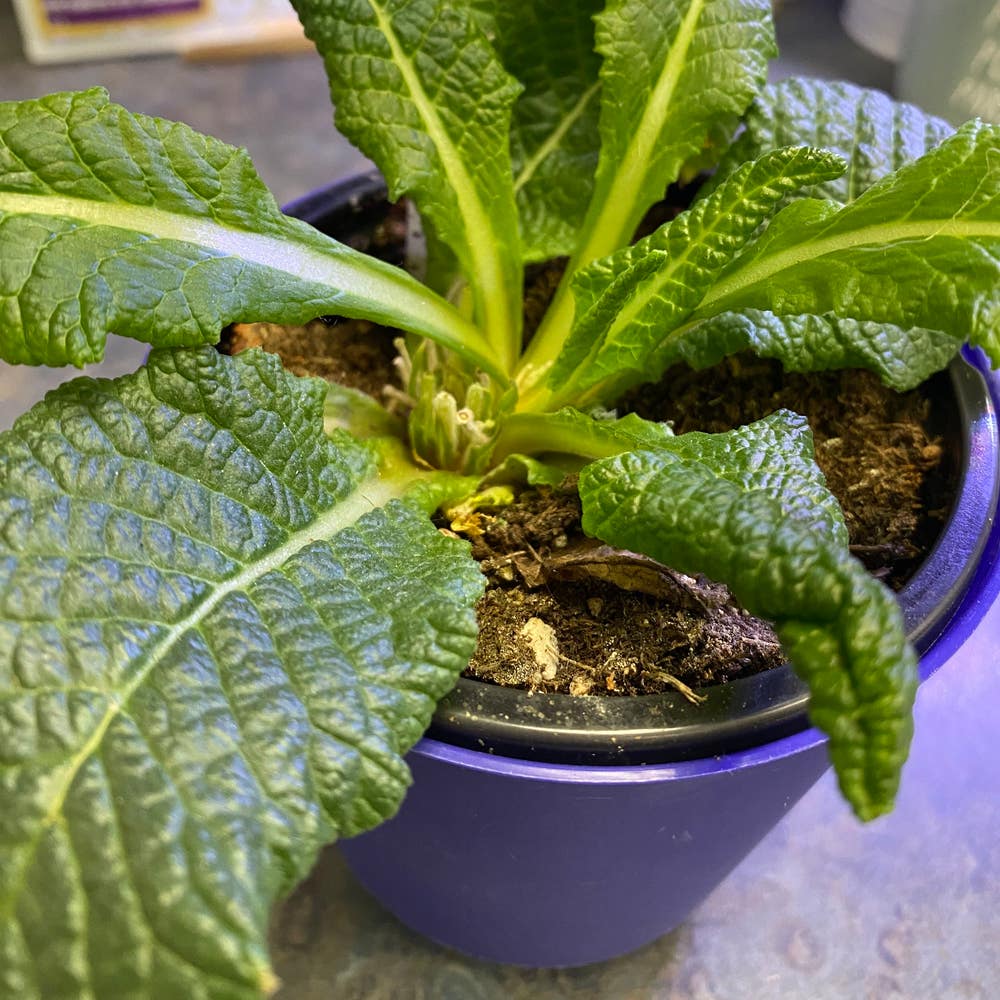
Once germination is successful, yellow primrose enters the seedling stage. At this point, seedlings appear as small rosettes of leaves, typically measuring 2-5 cm in height. Their leaves are soft and rounded, often featuring a slightly hairy texture.
Duration of the Seedling Stage
This stage lasts approximately 4-6 weeks before the plants transition into vegetative growth. During this time, seedlings establish their foundation for future growth.
🌳 Vegetative Growth Stage
Description of Vegetative Growth
In the vegetative growth stage, yellow primrose develops a rosette of leaves that increases in both size and number. This growth pattern is essential for the plant's survival, as the leaves can persist through winter, supporting early spring growth.
Duration and Environmental Needs
The vegetative growth stage lasts about 6-12 months, depending on environmental conditions. Yellow primrose prefers partial to full shade and requires regular moisture without waterlogging to thrive.
🌼 Flowering Stage
Timing of Flowering
Flowering typically begins in early spring, around March to April. The flowering period lasts for 2-4 weeks, influenced by environmental factors such as temperature and light.
Changes During Flowering
During this vibrant stage, yellow primrose showcases its bright yellow flowers, which are not only visually striking but also attract essential pollinators. Pollination is crucial for the reproductive cycle, primarily involving bees and other insects.
🌾 Seed Production Stage
Process of Seed Production
Following successful pollination, yellow primrose enters the seed production stage. This process involves the formation of seeds, which are then dispersed by wind or water, aiding in the plant's propagation.
Duration and Conditions for Seed Maturation
Seed maturation takes approximately 4-6 weeks post-flowering. Warm, moist conditions are ideal for seed development, ensuring the next generation of yellow primrose can thrive.
As we explore the growth rate and maturation of yellow primrose, we’ll uncover how long it takes for this beautiful plant to reach its full potential.
Growth Rate and Maturation
🌱 How Long Until Yellow Primrose is Fully Grown?
The journey from seed to flowering maturity for yellow primrose takes about 1 to 2 years. This timeframe allows the plant to develop through its various life stages, ultimately leading to vibrant blooms.
⏳ Factors Influencing Growth Rate
Several key factors can significantly impact the growth rate of yellow primrose:
- Soil Quality: Nutrient-rich soils provide essential elements that enhance growth.
- Water Availability: Consistent moisture is crucial; it promotes faster development.
- Light Exposure: Adequate light conditions can accelerate the plant's growth.
🌼 Average Lifespan of Yellow Primrose
In optimal conditions, yellow primrose typically enjoys a lifespan of 3 to 5 years. This longevity allows the plant to thrive and contribute to its environment over multiple seasons.
Understanding these aspects of growth and maturation not only highlights the resilience of yellow primrose but also sets the stage for exploring the notable changes throughout its lifecycle.
Notable Changes Throughout Lifecycle
🌱 Physical Changes at Each Stage
The lifecycle of the yellow primrose is marked by distinct physical transformations.
- Germination: This stage sees the seed transition into a seedling, a critical first step in its growth journey.
- Seedling: As it develops, the plant forms a rosette structure, characterized by small, rounded leaves.
- Vegetative: During this phase, the leaves expand and thicken, preparing the plant for future growth.
- Flowering: Bright yellow flowers emerge, signaling the plant's readiness to reproduce.
- Seed Production: Finally, seeds are formed and dispersed, ensuring the continuation of the species.
🌍 Environmental Adaptations
Yellow primrose exhibits remarkable adaptations to thrive in its environment.
- Adaptation to Shaded Environments: This plant can flourish in low-light conditions, making it a resilient choice for shaded gardens.
- Moisture Retention: Its leaf structure is designed to conserve water, allowing it to survive in varying moisture levels.
🍂 Impact of Seasonal Changes on Lifecycle
The lifecycle of yellow primrose is closely tied to the seasons, each bringing unique influences.
- Spring: This season marks the initiation of flowering and growth, as the plant awakens from dormancy.
- Summer: Continued vegetative growth and seed development occur, fueled by warm weather.
- Autumn/Winter: The plant enters a dormancy phase, where it retains its leaves, preparing for the next cycle.
Understanding these notable changes enhances our appreciation for the yellow primrose's resilience and adaptability. As we explore its lifecycle, we can see how each stage is intricately connected to environmental factors and seasonal shifts. Next, we'll delve into common questions about the growth rate and lifespan of this fascinating plant.
Common Questions
How Fast Does Yellow Primrose Grow? 🌱
Yellow primrose has a moderate growth rate. In its first year, you can expect it to grow between 10-20 cm.
Summary of Lifecycle Stages and Their Durations 📅
Understanding the lifecycle stages of yellow primrose is essential for successful cultivation. Here’s a quick overview of each stage and its duration:
| Lifecycle Stage | Duration |
|---|---|
| Germination | 14-30 days |
| Seedling | 4-6 weeks |
| Vegetative | 6-12 months |
| Flowering | 2-4 weeks |
| Seed Production | 4-6 weeks |
This concise breakdown highlights the key phases in the yellow primrose lifecycle, making it easier for you to track growth and care for your plants effectively.
With this foundational knowledge, you can better appreciate the beauty and resilience of yellow primrose as it progresses through its lifecycle. Next, let’s explore the notable changes that occur throughout its growth stages.
⚠️ Safety First
This content is for general information and may contain errors, omissions, or outdated details. It is not medical, veterinary advice, or an endorsement of therapeutic claims.
Always consult a qualified healthcare professional before using any plant as food, medicine, or supplement.
Never eat any plant (or feed one to pets) without confirming its identity with at least two trusted sources.
If you suspect poisoning, call Poison Control (800) 222-1222, the Pet Poison Helpline (800) 213-6680, or your local emergency service immediately.
Spotted an error? Please report it here.
Unlock the secrets of yellow primrose 🌼 with Greg's tailored care reminders, ensuring your plant flourishes from germination to vibrant blooms!