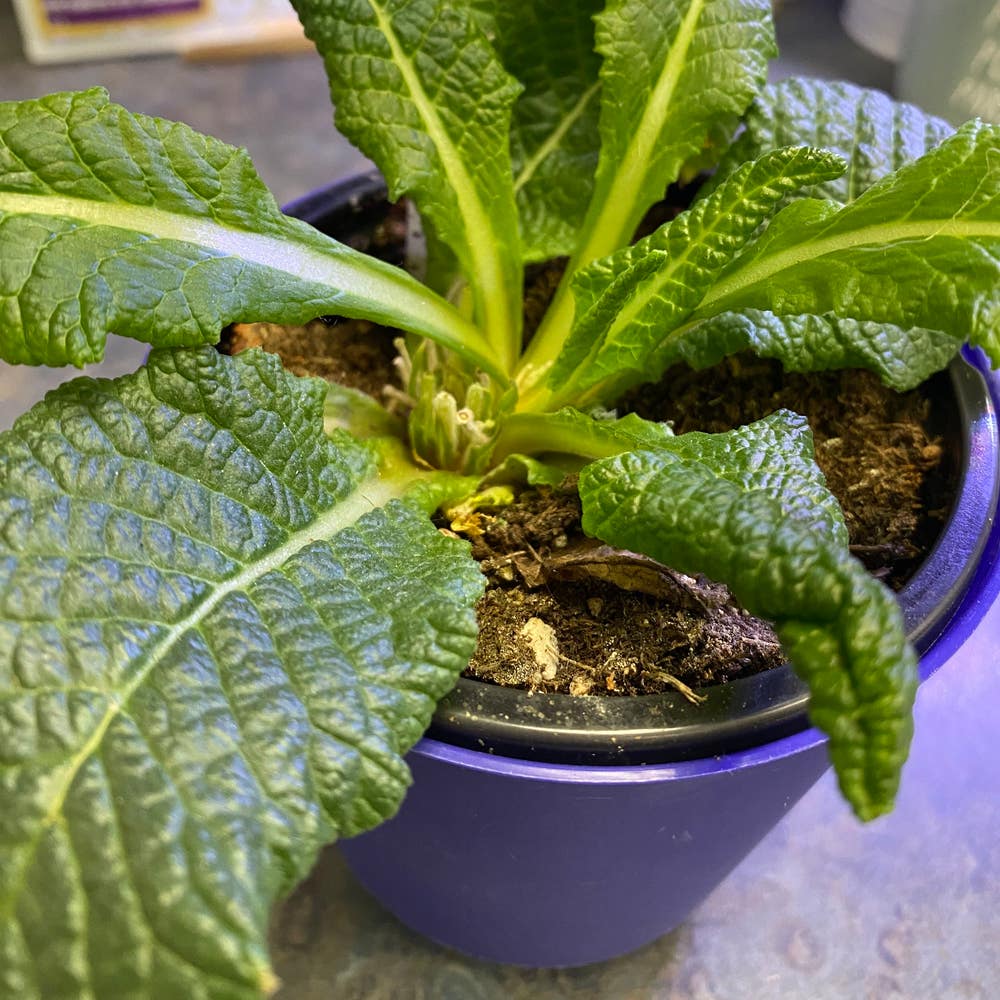
Yellow Primrose: A Perennial Plant 🌼
Primula lutescens
By the Greg Editorial Team
Nov 22, 2024•5 min read
This article was created with the help of AI so we can cover more plants for you. May contain errors. See one? Report it here.
- 🌼 Yellow Primrose thrives for 3-10 years with proper care and conditions.
- 🌞 Spring triggers blooming, while dormancy occurs in late fall to early spring.
- 🌱 Robust roots access nutrients, making it resilient to drought and diverse climates.
Characteristics of Yellow Primrose as a Perennial
🌱 Multi-Year Lifecycle
Yellow Primrose is a perennial plant that thrives through a multi-year lifecycle. Its journey begins with germination, followed by growth, flowering, and dormancy.
During the germination stage, seeds sprout and establish roots. As the plant matures, it enters a growth phase, where it develops foliage and prepares for blooming. After flowering, Yellow Primrose enters dormancy, a crucial period that allows it to conserve energy and resources.
Typically, Yellow Primrose can live for several years, often ranging from three to five years under optimal conditions. This lifespan can be extended with proper care and suitable environmental factors.
🌼 Growth Patterns and Regrowth
The root system of Yellow Primrose is robust and well-established, which plays a vital role in its ability to regrow each season. These deep roots allow the plant to access nutrients and moisture, making it resilient against drought conditions.
Growth patterns vary with the seasons. In spring, Yellow Primrose bursts into life, showcasing vibrant blooms. As temperatures rise in summer, growth may slow, while fall brings a gradual decline, leading into the dormancy period during winter.
Understanding these growth patterns helps gardeners anticipate the plant's needs throughout the year. By recognizing how environmental conditions influence growth, you can better support your Yellow Primrose and enjoy its beauty for years to come.
As we explore the seasonal changes and dormancy of Yellow Primrose, we’ll uncover how these factors shape its lifecycle and overall health.
Seasonal Changes and Dormancy
🌱 Dormancy Periods
Dormancy is a crucial phase in the lifecycle of Yellow Primrose. During this time, the plant conserves energy and resources, preparing for the next growth cycle.
Typically, Yellow Primrose enters dormancy in late fall as temperatures drop and daylight decreases. This period can last until early spring when conditions become favorable for growth again.
🌦️ Seasonal Changes Affecting Growth
The seasons play a significant role in the flowering of Yellow Primrose. Warmer temperatures and increased sunlight in spring trigger blooming, while cooler temperatures can delay or inhibit flowering.
To adapt to these seasonal changes, Yellow Primrose employs several strategies. It can adjust its growth rate and flowering time based on environmental cues, ensuring it thrives in varying conditions.
Understanding these seasonal dynamics helps gardeners anticipate the plant's needs and optimize care throughout the year. As we explore further, we'll look at how to maximize the benefits of Yellow Primrose in garden planning.
Advantages for Gardeners
🌼 Benefits of Perennial Nature
One of the standout advantages of Yellow Primrose is its perennial nature. This means less replanting each year, saving you both time and money.
Established root systems are another major benefit. These deep roots allow the plant to access nutrients and water more efficiently, promoting healthier growth.
⏳ Expected Lifespan and Influencing Factors
Under optimal conditions, Yellow Primrose can live for several years, often thriving for a decade or more. This longevity makes it a reliable choice for gardeners looking to create a lasting landscape.
However, several factors can influence its lifespan. Soil quality, climate, and care practices all play crucial roles in determining how long your Yellow Primrose will flourish in your garden.
By understanding these elements, you can maximize the benefits of this resilient perennial and enjoy its beauty for years to come.
As you plan your garden, consider how these advantages can enhance your gardening experience. Next, we’ll explore how variations across climate zones impact the behavior of Yellow Primrose.
Variations Across Climate Zones
🌦️ Influence of Climate on Behavior
Understanding the climate zone classifications is crucial for cultivating Yellow Primrose effectively. The USDA hardiness zones range from 1 to 13, indicating the minimum temperatures plants can withstand.
Yellow Primrose thrives best in zones 3 to 8, where it can flourish with the right conditions. In warmer climates, it may bloom earlier, while cooler areas can delay flowering, impacting the overall growth cycle.
🌱 Adaptations to Growing Conditions
Yellow Primrose exhibits remarkable adaptability to local conditions. In regions with fluctuating temperatures, it may adjust its flowering time to align with optimal growing conditions.
These plants develop resilience strategies, such as deeper root systems, which help them access moisture and nutrients in diverse environments. This adaptability ensures that Yellow Primrose can survive and thrive, regardless of the climate challenges it faces.
As we explore the advantages of Yellow Primrose for gardeners, it's essential to consider how these climate variations can influence your gardening strategy.
Maximizing Benefits in Garden Planning
Tips for Long-Term Cultivation 🌱
Planting Yellow Primrose requires attention to detail for successful growth. Start by selecting a well-draining soil enriched with organic matter to promote healthy root development.
Regular watering is crucial, especially during dry spells. Ensure the soil remains moist but not waterlogged, as this balance supports the plant's overall health.
Strategies for Garden Integration 🌼
Companion planting can enhance the growth of Yellow Primrose. Consider pairing it with plants like lavender or salvia, which can attract beneficial pollinators and deter pests.
When positioning Yellow Primrose in your garden, aim for a spot that receives full sun to partial shade. This placement maximizes its blooming potential while creating a visually appealing arrangement.
By integrating these practices, you can cultivate a thriving garden that showcases the beauty and resilience of Yellow Primrose. As you plan, remember that thoughtful design and care will yield vibrant results year after year.
⚠️ Safety First
This content is for general information and may contain errors, omissions, or outdated details. It is not medical, veterinary advice, or an endorsement of therapeutic claims.
Always consult a qualified healthcare professional before using any plant as food, medicine, or supplement.
Never eat any plant (or feed one to pets) without confirming its identity with at least two trusted sources.
If you suspect poisoning, call Poison Control (800) 222-1222, the Pet Poison Helpline (800) 213-6680, or your local emergency service immediately.
Spotted an error? Please report it here.
Cultivate the stunning Yellow Primrose 🌼 and let Greg guide you with customized care tips and watering reminders to help your perennial flourish for years!