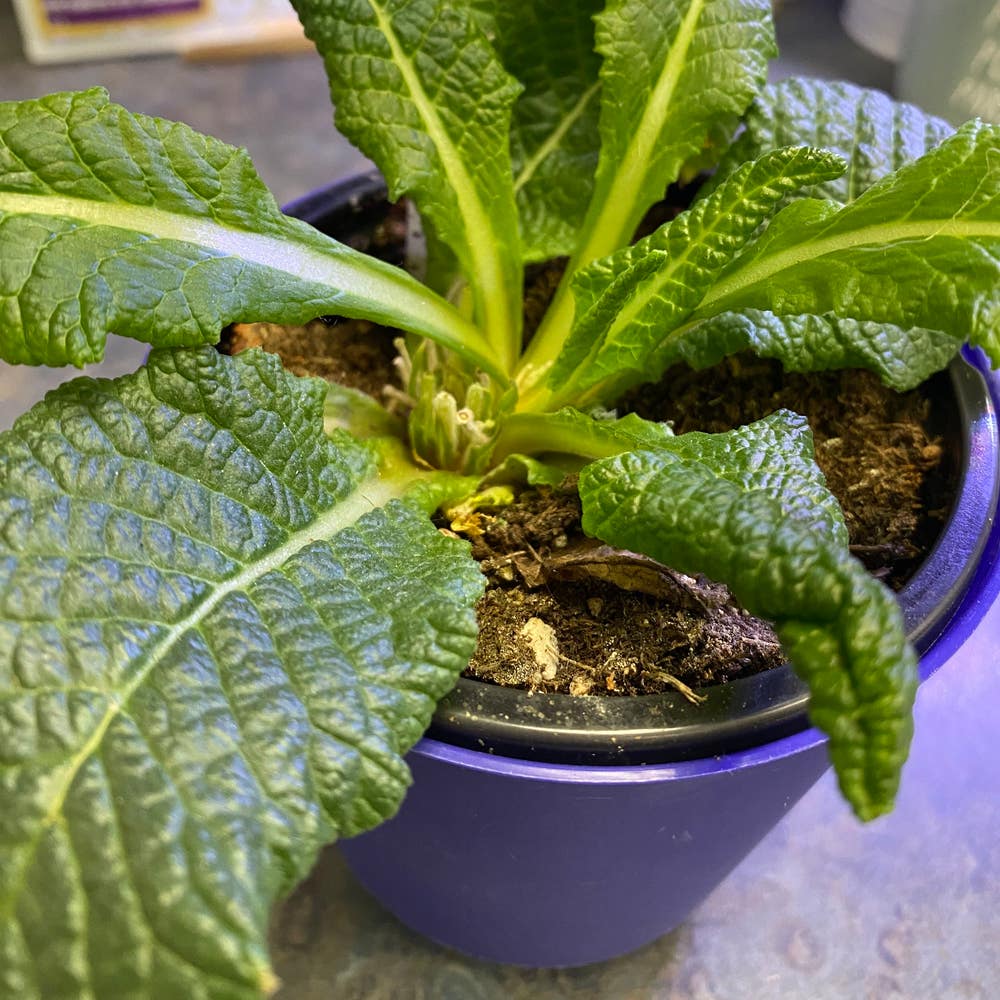
7 Factors Affecting Yellow Primrose Flowering 🌼
Primula lutescens
By the Greg Editorial Team
Nov 22, 2024•6 min read
This article was created with the help of AI so we can cover more plants for you. May contain errors. See one? Report it here.
- 🌞 Yellow primrose needs 6-8 hours of indirect sunlight for optimal flowering.
- 🌱 Key nutrients like NPK are vital; phosphorus boosts bud formation.
- 🌡️ Ideal temperatures are 15°C to 20°C; extremes stress plants and reduce blooms.
Light Requirements
Importance of Light for Flowering 🌼
Light is crucial for the vibrant flowering of yellow primrose. Ideally, these plants need 6-8 hours of indirect sunlight daily to thrive; without it, they may experience stunted growth and a significant reduction in flowering.
Signs of Light-Related Issues 🚨
If your yellow primrose fails to bloom despite healthy foliage, it’s a clear sign of light-related issues. Additionally, you might notice abnormal flower development, such as small or deformed flowers, indicating insufficient light exposure.
Solutions for Light-Related Problems 💡
To tackle light-related problems, consider adjusting the plant's placement. Moving it to a brighter location or using grow lights can make a significant difference.
Monitoring light intensity is also essential; using a light meter can help ensure your yellow primrose receives adequate exposure for optimal growth and flowering.
With the right light conditions, your yellow primrose will flourish, leading to a stunning display of blooms. Next, let’s explore the nutritional needs that support this beautiful flowering process.
Nutritional Needs
🌼 Essential Nutrients for Flowering
To thrive and produce beautiful blooms, yellow primrose plants require key nutrients: nitrogen, phosphorus, and potassium (NPK). Among these, phosphorus plays a vital role in bud formation and overall flower development.
⚠️ Signs of Nutrient Deficiency
Watch for yellowing leaves, which often signal nitrogen deficiency. Additionally, if your flowers are small or sparse, it may indicate a lack of essential nutrients.
🛠️ Solutions for Nutritional Problems
To keep your yellow primrose flourishing, establish a fertilization schedule. Applying a balanced fertilizer every 4-6 weeks during the growing season will provide the necessary nutrients.
Soil testing is also crucial. Conduct tests to determine nutrient levels and amend your soil accordingly to ensure optimal growth and flowering.
With proper nutrition, your yellow primrose can thrive, leading to vibrant blooms and lush foliage. Next, let’s explore the importance of pruning techniques to further enhance flowering.
Pruning Techniques
🌸 Importance of Pruning for Flowering
Pruning is essential for promoting healthy growth and abundant flowering in yellow primroses. The best time to prune is after flowering, as this encourages new growth and prepares the plant for the next blooming cycle.
Improper pruning can have detrimental effects, leading to reduced blooms or even bud drop. It's crucial to understand the timing and technique to avoid stressing the plant.
⚠️ Signs of Pruning-Related Issues
One clear sign of pruning-related issues is premature flower drop, where flowers fall before reaching full bloom. This can indicate that the plant is under stress, often due to incorrect pruning practices.
Another warning sign is a lack of new growth, which may suggest over-pruning or that the pruning was done at the wrong time. Both issues can hinder the plant's ability to thrive.
🛠️ Solutions for Pruning Problems
To address pruning problems, start by using clean, sharp tools for the best results. Selective pruning helps maintain the plant's health and encourages robust flowering.
Timing is also critical; make sure to prune only after the blooming period. This approach not only promotes future flowering but also supports the overall vitality of your yellow primrose.
Understanding these pruning techniques can significantly enhance your gardening experience. With the right care, your yellow primrose will flourish beautifully, setting the stage for the next topic: soil moisture management.
Soil Moisture
Ideal Soil Moisture Levels 🌱
Maintaining well-drained soil is crucial for yellow primrose health. This prevents root rot and encourages robust growth.
Overwatering can lead to wilting leaves and yellowing foliage, signaling that your plant is struggling.
Effects of Soil Moisture on Flowering 🌸
Excess moisture can severely inhibit blooming, leading to disappointing results. Additionally, poor drainage may result in weak stems and flowers, affecting overall flower quality.
Solutions for Soil Moisture Issues 💧
To ensure your yellow primrose thrives, establish a consistent watering schedule. Allow the top inch of soil to dry out before watering again.
Consider incorporating perlite or sand into your soil mix to improve drainage. This simple adjustment can make a significant difference in your plant's health and flowering potential.
With the right soil moisture management, your yellow primrose will be well on its way to producing vibrant blooms. Next, let’s explore how temperature fluctuations can impact flowering.
Temperature Fluctuations
Optimal Temperature Range 🌡️
Maintaining the right temperature is crucial for yellow primrose flowering. The ideal range is between 15°C to 20°C (59°F to 68°F), where these vibrant flowers thrive.
Extreme temperatures can be detrimental. Heat stress or frost damage may hinder blooming, leading to disappointing results.
Signs of Temperature-Related Problems 🚨
Watch for signs that your primroses are struggling with temperature issues. A lack of blooms during unusually warm or cold spells can indicate stress.
Additionally, if you notice flowers wilting or dropping prematurely, it’s a clear signal that temperature fluctuations are affecting their development.
Solutions for Temperature Issues 🛠️
To protect your yellow primroses, consider implementing some effective strategies. During cold snaps, using row covers can provide essential warmth, while providing shade during heatwaves helps prevent overheating.
It’s also wise to monitor your local climate. Adjusting your care practices based on seasonal temperature changes can make a significant difference in promoting healthy flowering.
With the right temperature management, your yellow primroses will flourish beautifully, setting the stage for the next factor affecting their growth: pest and disease management.
Pest and Disease Management
Common Pests Impacting Flowering 🐜
Yellow primroses can be vulnerable to several pests that disrupt their growth and flowering.
Aphids are tiny, soft-bodied insects that often cluster on new growth. Look for curled leaves and a sticky residue, which indicates their presence.
Slugs are another common threat, leaving behind holes in leaves and stems. Their nocturnal feeding habits can quickly damage your plants.
Disease Issues 🦠
In addition to pests, diseases can significantly affect the health of yellow primroses.
Powdery mildew is a fungal issue characterized by a white, powdery growth on leaves and flowers. It thrives in humid conditions and can weaken your plants.
Root rot is often a result of overwatering, leading to wilting and poor flowering. It can be devastating if not addressed promptly.
Solutions for Pest and Disease Problems 🛠️
Managing pests and diseases requires a proactive approach.
Integrated pest management (IPM) is effective. This strategy involves using beneficial insects, like ladybugs, and organic pesticides to control pest populations without harming the environment.
Disease prevention is equally important. Ensure good air circulation around your plants and avoid overhead watering to minimize the risk of fungal issues.
By staying vigilant and implementing these strategies, you can keep your yellow primroses healthy and blooming beautifully.
Next, let’s explore how soil moisture levels can impact flowering and overall plant health.
⚠️ Safety First
This content is for general information and may contain errors, omissions, or outdated details. It is not medical, veterinary advice, or an endorsement of therapeutic claims.
Always consult a qualified healthcare professional before using any plant as food, medicine, or supplement.
Never eat any plant (or feed one to pets) without confirming its identity with at least two trusted sources.
If you suspect poisoning, call Poison Control (800) 222-1222, the Pet Poison Helpline (800) 213-6680, or your local emergency service immediately.
Spotted an error? Please report it here.
Keep your yellow primrose blooming vibrantly 🌼 by using Greg's tailored watering reminders and nutrient tracking to ensure it gets the care it needs!