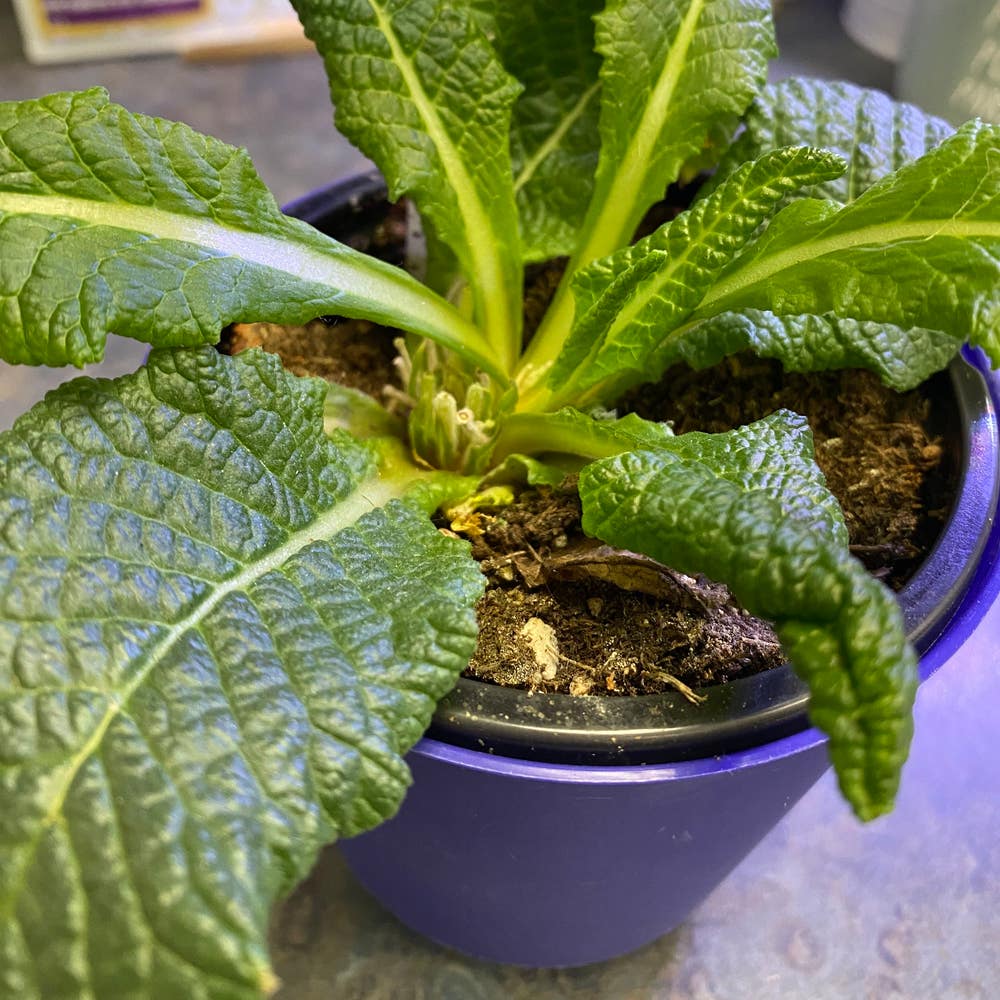
Best Tips for Dealing with Black Spots on Yellow Primrose 🌻
Primula lutescens
By the Greg Editorial Team
Nov 22, 2024•5 min read
This article was created with the help of AI so we can cover more plants for you. May contain errors. See one? Report it here.
- 🌱 Inspect leaves closely to identify black spots for accurate diagnosis and treatment.
- 💧 Maintain proper drainage and moisture to prevent fungal growth on primrose plants.
- 🌿 Prune infected leaves and improve air circulation to combat disease spread effectively.
Diagnosing Black Spots
🔍 Visual Inspection Techniques
To effectively diagnose black spots on your yellow primrose, start with a close examination of the leaves. Pay attention to the size, shape, and color of the spots; these details can provide crucial clues.
Next, look for patterns in the spots. Uniform spots often indicate fungal issues, while irregular shapes may suggest bacterial problems. This distinction is key to determining the right treatment.
🌧️ Environmental Factors Contributing to Black Spots
Humidity plays a significant role in the health of your primrose. High humidity levels can create a perfect environment for fungal growth, leading to those pesky black spots.
Temperature fluctuations also contribute to the problem. Warm, wet conditions are ideal for pathogens, so keeping an eye on the weather can help you anticipate potential outbreaks.
🌱 Soil and Watering Conditions
Soil moisture is another critical factor. It's essential to maintain consistent moisture without waterlogging the roots, as this can lead to further complications.
Additionally, ensure that your pots or garden beds have adequate drainage. Preventing standing water is vital to keeping your primrose healthy and free from black spots.
By understanding these diagnostic techniques and environmental factors, you can take proactive steps to protect your yellow primrose from black spots. Next, let’s explore effective treatment options to address these issues head-on.
Treating Black Spots
Step-by-Step Treatment Options 🌱
Dealing with black spots on your yellow primrose starts with a few essential steps. First, remove affected leaves by pruning any severely infected foliage to prevent the spread of disease.
Next, improve air circulation around your plants. Space them appropriately to reduce humidity, which can exacerbate fungal issues.
Finally, adjust your watering practices. Water at the base of the plant to keep leaves dry, minimizing the risk of further infection.
Recommended Fungicides and Organic Solutions 🧪
When it comes to treatment, you have options. For chemical solutions, consider fungicides like chlorothalonil or mancozeb, which are effective against a range of fungal pathogens.
If you prefer organic methods, neem oil or sulfur-based products can be great alternatives. These options are less harsh on the environment and can still provide effective results.
Home Remedies for Leaf Spots 🏡
You can also try some simple home remedies to combat leaf spots. A baking soda solution is easy to make: mix 1 tablespoon of baking soda with 1 gallon of water and spray it on the affected areas.
Another effective remedy is a milk spray. Dilute milk with water in a 1:2 ratio and apply it to the leaves. This can help combat fungal growth naturally.
By following these treatment options and remedies, you can effectively manage black spots on your yellow primrose. With the right care, your plants can thrive and flourish, free from disease.
Next, let’s explore how to prevent black spots from occurring in the first place.
Preventing Black Spots
🌱 Best Practices for Primrose Care
Regular inspections of your primrose plants are essential for catching early signs of disease. Look for any discoloration or unusual spots on the leaves to address issues before they escalate.
Maintaining a clean garden environment is equally important. Remove debris, fallen leaves, and any dead plant material that can harbor pests and diseases.
💧 Importance of Proper Watering and Drainage
Establishing a proper watering schedule is crucial for your primrose's health. Water deeply but infrequently to encourage deep root growth, which helps the plant withstand stress.
Choosing the right soil is also vital. Use well-draining soil to prevent excess moisture retention, which can lead to black spots and other fungal issues.
☀️ Choosing the Right Location for Sunlight Exposure
Primroses thrive best in partial shade to full sun. Avoid placing them in overly shaded areas or spots that receive too much direct sunlight, as this can stress the plants.
Monitor light levels throughout the seasons. Adjust the placement of your primroses based on changes in sunlight to ensure they receive optimal exposure year-round.
By following these preventive measures, you can significantly reduce the risk of black spots on your yellow primrose. Next, let’s explore seasonal considerations that can further impact their health.
Seasonal Considerations
🌧️ Seasonal Changes Affecting Black Spots
Spring brings a surge of moisture and warmth, creating a perfect environment for fungal outbreaks on yellow primrose. As temperatures rise, keep an eye out for any signs of black spots, as these can quickly spread if not addressed.
In summer, the heat and humidity can stress your plants. Monitor them closely for any signs of distress, as this is when black spots are most likely to appear.
❄️ Winter Care for Yellow Primrose
To protect your yellow primrose from frost, consider using mulch or covering the plants during cold snaps. This simple step can make a significant difference in their survival.
During winter, it's essential to reduce watering. Allow the soil to dry slightly between waterings to prevent root rot and other moisture-related issues.
🌱 Spring Maintenance Tips to Prevent Disease
As spring arrives, start by cleaning up any debris around your plants. Removing fallen leaves and dead plant material helps reduce the risk of disease.
Additionally, apply a balanced fertilizer to promote healthy growth. This will give your primrose the nutrients it needs to thrive and fend off potential diseases.
By following these seasonal considerations, you can effectively manage and prevent black spots on your yellow primrose, ensuring they remain vibrant and healthy throughout the year. Next, let’s explore the best practices for primrose care to keep your plants flourishing.
⚠️ Safety First
This content is for general information and may contain errors, omissions, or outdated details. It is not medical, veterinary advice, or an endorsement of therapeutic claims.
Always consult a qualified healthcare professional before using any plant as food, medicine, or supplement.
Never eat any plant (or feed one to pets) without confirming its identity with at least two trusted sources.
If you suspect poisoning, call Poison Control (800) 222-1222, the Pet Poison Helpline (800) 213-6680, or your local emergency service immediately.
Spotted an error? Please report it here.
Combat those pesky black spots on your yellow primrose 🌼 with Greg's tailored care reminders and expert tips, ensuring your plants stay vibrant and healthy all season long!