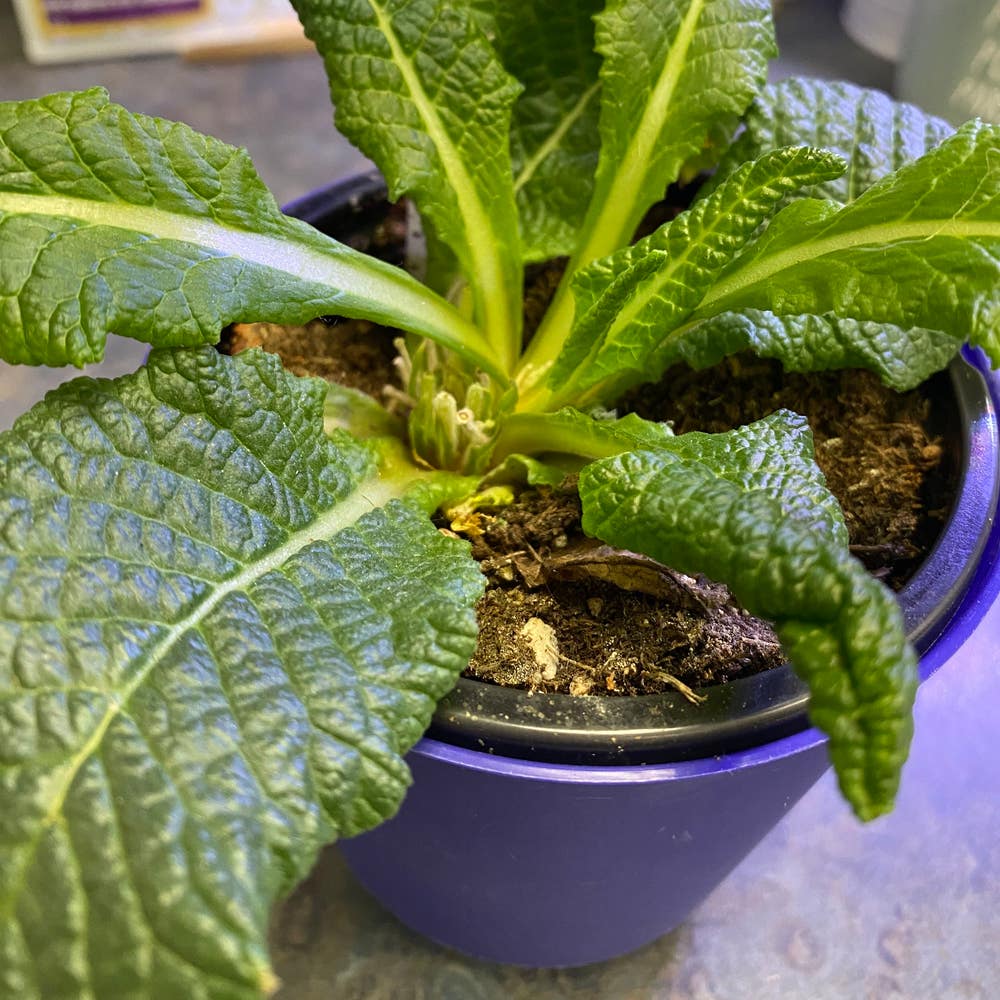
🌼 How Big Your Yellow Primrose Will Get
Primula lutescens
By the Greg Editorial Team
Nov 22, 2024•5 min read
This article was created with the help of AI so we can cover more plants for you. May contain errors. See one? Report it here.
- 🌼 Yellow primroses grow 6-12 inches tall and spread 12-18 inches wide.
- 🌞 Full sun exposure boosts growth; aim for 6-8 hours daily.
- 💧 Consistent moisture and nutrient-rich soil are key for optimal growth.
Mature Height and Spread
Typical Dimensions 🌱
The yellow primrose typically reaches a mature height of 6 to 12 inches. Its spread can extend from 12 to 18 inches, making it a lovely addition to any garden.
Factors Influencing Size 🌿
Several factors can influence the size of your yellow primrose.
Soil Quality 🏵️
Nutrient-rich soils are essential for promoting larger growth. The better the soil, the more robust your plants will be.
Water Availability 💧
Consistent moisture is crucial for enhancing both height and spread. Make sure your primrose gets enough water, especially during dry spells.
Light Exposure ☀️
Light exposure plays a significant role in growth dimensions. Full sun (6-8 hours) encourages more vigorous growth compared to partial shade.
Understanding these factors can help you create the ideal environment for your yellow primrose to thrive. With the right conditions, you can enjoy a vibrant display of these beautiful flowers in your garden.
Next, we’ll explore the growth rate and time it takes for your yellow primrose to reach its full potential.
Growth Rate and Time to Maturity
Growth Rate 🌱
The yellow primrose boasts a moderate growth rate, particularly noticeable in the spring. Under optimal conditions, it typically reaches its full size within 1 to 2 years.
Seasonal Growth Patterns 🌸
Spring is the star season for yellow primroses, marked by rapid growth and vibrant flowering. As summer rolls in, growth slows down, focusing on maintaining size rather than expanding.
In fall and winter, the plant enters a dormancy phase, where growth is minimal. This cycle is essential for the primrose's health, allowing it to conserve energy for the next spring's burst of life.
Understanding these growth patterns helps gardeners anticipate care needs throughout the year. With the right conditions, your yellow primrose can thrive beautifully, setting the stage for a stunning garden display.
Next, we’ll explore how environmental factors can influence the size of your yellow primrose.
Size Variability Based on Conditions
🌍 Environmental Impact on Size
The size of your yellow primrose can greatly depend on its environment. Well-draining, fertile soil is essential for optimal growth, allowing the plant to thrive and reach its full potential.
Light exposure also plays a crucial role. Primroses flourish in full sun, requiring about 6 to 8 hours of sunlight daily. In contrast, those in partial shade may not achieve the same dimensions, resulting in a smaller overall size.
📏 Size Variability Examples
When it comes to size variability, there are notable differences among primrose varieties. Dwarf varieties typically reach only 4 to 6 inches in height, making them perfect for small gardens or container arrangements.
On the other hand, giant varieties can exceed 12 inches in height, especially when grown in ideal conditions. These larger plants not only provide a more substantial visual impact but also thrive in spacious garden settings.
Understanding these factors can help you choose the right variety for your garden and ensure your yellow primrose reaches its desired size. Next, we’ll explore the different varieties and their unique characteristics.
Varieties and Their Characteristics
🌱 Dwarf Varieties
Dwarf yellow primroses are perfect for those with limited space. Their compact growth habit makes them ideal for small gardens or containers.
Mature dimensions typically range from 4 to 6 inches in height, with a spread of 8 to 12 inches. This makes them a charming addition to any tight spot, allowing you to enjoy their vibrant blooms without overwhelming your space.
🌼 Giant Varieties
On the other hand, giant yellow primroses are for those who want to make a statement in their garden. With larger blooms and foliage, they thrive in more expansive garden spaces.
These varieties can exceed 12 inches in both height and spread, creating a stunning visual impact. Whether you’re looking to fill a large flower bed or create a focal point, giant primroses are a fantastic choice.
As you consider which variety to choose, think about your garden's layout and the space you have available. This will help you select the perfect primrose to enhance your outdoor oasis.
Controlling Size
✂️ Pruning Techniques for Size Management
To keep your yellow primrose at the desired size, timing your pruning is crucial. Aim to prune in early spring before new growth begins, which encourages healthy development while maintaining compactness.
When it comes to techniques, consider cutting back foliage and spent flowers. This not only controls growth but also promotes a bushier appearance, enhancing the overall aesthetic of your garden.
🪴 Container Growth and Size Control
The size of the container you choose significantly impacts your primrose's growth potential. A larger pot allows for more root expansion, leading to a healthier plant, while a smaller pot can restrict growth.
Additionally, using a quality potting mix is essential. A nutrient-rich, well-draining soil will support optimal growth, ensuring your primrose thrives even in confined spaces.
📏 Spacing Considerations in Garden Design
Proper garden spacing is vital for allowing your yellow primrose to reach its mature spread. Aim for at least 12 to 18 inches between plants to ensure they have enough room to grow without competing for resources.
Overcrowding can severely limit growth and size. When plants are too close together, they may become leggy and struggle to thrive, ultimately affecting the beauty of your garden.
As you consider these size-controlling strategies, remember that each choice you make contributes to the overall health and appearance of your yellow primrose. Next, let's explore the various primrose varieties and their unique characteristics.
⚠️ Safety First
This content is for general information and may contain errors, omissions, or outdated details. It is not medical, veterinary advice, or an endorsement of therapeutic claims.
Always consult a qualified healthcare professional before using any plant as food, medicine, or supplement.
Never eat any plant (or feed one to pets) without confirming its identity with at least two trusted sources.
If you suspect poisoning, call Poison Control (800) 222-1222, the Pet Poison Helpline (800) 213-6680, or your local emergency service immediately.
Spotted an error? Please report it here.
Unlock your yellow primrose's full potential 🌼 with Greg's tailored care reminders for optimal moisture, sunlight, and nutrients to create a stunning garden display!