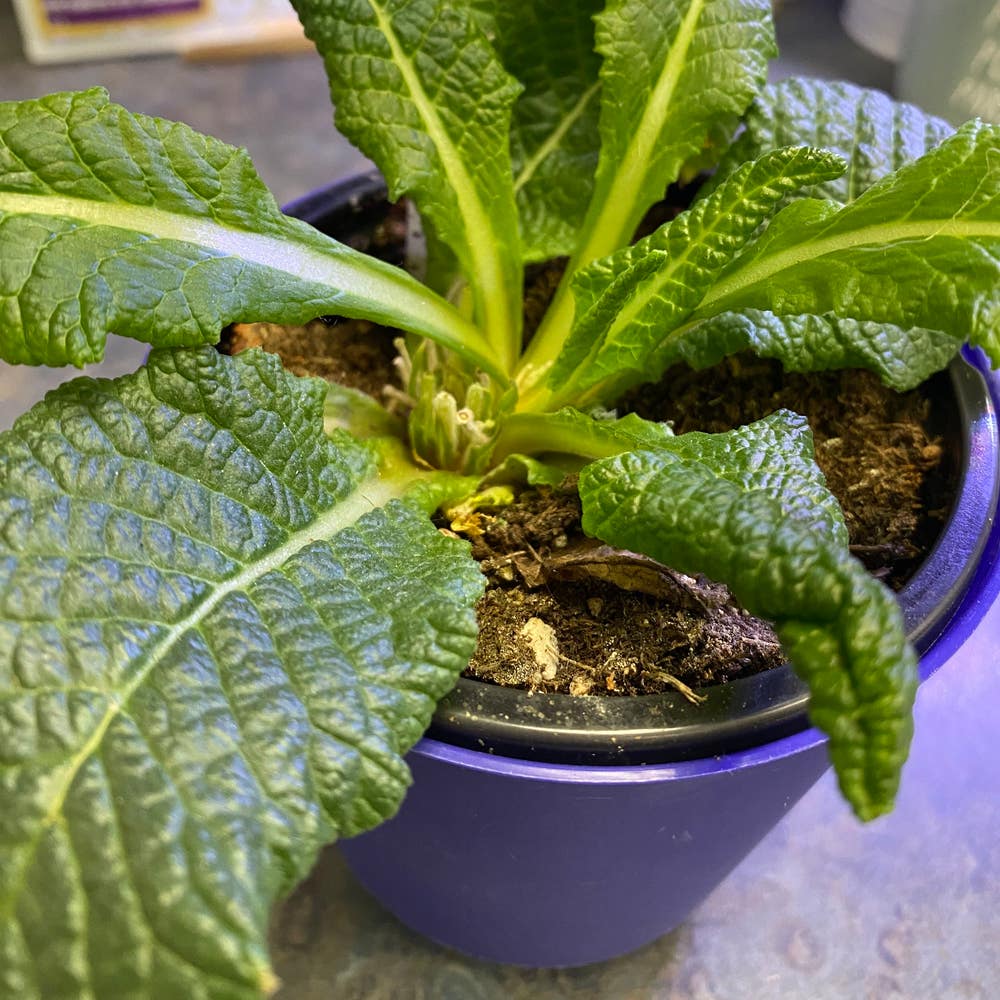
🌻 Humidity Needs for Your Yellow Primrose
Primula lutescens
By the Greg Editorial Team
Nov 22, 2024•6 min read
This article was created with the help of AI so we can cover more plants for you. May contain errors. See one? Report it here.
- 🌬️ Low humidity causes wilting and drooping leaves in Yellow Primrose, indicating stress.
- 🌼 Ideal humidity for blooms is 50-70%; adjust for vibrant flowers.
- 💧 Boost humidity with pebble trays or grouping plants together for better growth.
Effects of Low Humidity
Consequences of Insufficient Humidity 🌵
Low humidity can have a significant impact on your Yellow Primrose. One of the most noticeable effects is wilting; leaves may droop and lose their turgor pressure, making the plant look sad and lifeless.
Additionally, reduced humidity can lead to fewer blooms and smaller flowers. If your primrose isn’t flowering as it should, low humidity might be the culprit.
Prolonged exposure to low humidity can also stress the plant. This stress weakens the Yellow Primrose, making it more susceptible to pests and diseases that can further compromise its health.
Understanding these consequences is crucial for maintaining a thriving Yellow Primrose. By recognizing the signs of low humidity, you can take proactive steps to ensure your plant remains vibrant and healthy.
Signs of Insufficient Humidity
🌿 Visual Indicators
When your Yellow Primrose is not getting enough humidity, it will start to show some telltale signs. One of the first things you might notice is leaf curling, where the edges of the leaves curl inward, giving them a distressed appearance.
Another common indicator is brown leaf tips. If you see the tips of the leaves turning brown and crispy, it’s a clear signal that your plant is struggling with low humidity levels.
📉 Stunted Growth
In addition to these visual cues, you may also observe stunted growth. This means that your Yellow Primrose may not grow as vigorously, resulting in smaller plants that fail to thrive.
Recognizing these signs early can help you take action to improve humidity levels, ensuring your plant remains healthy and vibrant. By addressing humidity issues promptly, you can foster a thriving environment for your Yellow Primrose to flourish.
Next, let’s explore how to assess local humidity levels to better understand your plant’s needs.
Assessing Local Humidity
🌡️ How to Measure Local Humidity
To ensure your Yellow Primrose thrives, measuring local humidity is essential. A hygrometer is your best friend here; it provides accurate readings of indoor humidity levels.
Aim for a relative humidity of 50-70%. This range is ideal for keeping your Yellow Primrose healthy and vibrant.
☀️ Seasonal Variations in Humidity
Humidity levels can fluctuate with the seasons. During the winter months, indoor heating often leads to significantly lower humidity, which can stress your plants.
Conversely, summer typically brings higher outdoor humidity. This can benefit your indoor plants, but it's crucial to monitor conditions closely to avoid any sudden changes.
🌍 Geographic Considerations for Humidity
Your location plays a significant role in humidity levels. Coastal areas usually enjoy higher humidity, creating a more favorable environment for your Yellow Primrose.
In contrast, arid regions may require additional strategies to maintain adequate humidity. Understanding your local climate will help you tailor your care for optimal plant health.
With a solid grasp of local humidity, you can now explore effective strategies for boosting humidity levels around your Yellow Primrose.
Strategies for Boosting Humidity
🌬️ Using Humidifiers
Humidifiers are a fantastic way to provide consistent moisture in the air, making them ideal for maintaining the humidity levels your Yellow Primrose craves. Position the humidifier near your plant for optimal effect, ensuring it gets the moisture it needs to thrive.
🌱 Grouping Plants Together
Another effective strategy is to group your plants together. This creates a microenvironment with higher humidity through transpiration, where moisture is released into the air from the leaves of nearby plants.
🪴 Pebble Trays and Water Bowls
Consider using pebble trays or water bowls to boost humidity. Simply fill a tray with pebbles and water, then place your pot on top, ensuring the base of the pot doesn’t sit in the water. This method increases humidity around your Yellow Primrose without the risk of overwatering.
💦 Misting Techniques
Misting your Yellow Primrose can also help maintain humidity levels. Aim to mist the leaves 1-2 times a week, especially during dry seasons, but be cautious not to overdo it. Excessive misting can lead to fungal issues, so keep an eye on your plant's health.
By implementing these strategies, you can create a more humid environment that supports the vibrant growth of your Yellow Primrose. Next, let’s explore how to effectively reduce humidity when necessary to maintain a balanced environment.
Strategies for Reducing Humidity
Ventilation Techniques 🌬️
Good air circulation is essential for preventing excessive humidity buildup around your Yellow Primrose. Open windows or use fans to promote airflow, ensuring your plant breathes easy and stays healthy.
Choosing the Right Potting Mix 🪴
Selecting a well-draining potting mix is crucial to avoid water retention, which can lead to increased humidity levels. Look for mixes that include components like perlite or sand to enhance drainage and keep your plant thriving.
Avoiding Overwatering 🚫💧
Water your Yellow Primrose only when the top inch of soil feels dry to the touch. Regularly check soil moisture to prevent soggy conditions that can create an overly humid environment detrimental to your plant's health.
By implementing these strategies, you can effectively manage humidity levels and promote a healthier growing environment for your Yellow Primrose. Next, let's explore the relationship between humidity and plant health to understand how these factors intertwine.
Humidity and Plant Health
🌱 Relationship Between Humidity and Growth
Adequate humidity is crucial for the Yellow Primrose. It supports healthy leaf development and encourages vibrant flowering.
Low humidity can create stress for your plant, leading to reduced vigor and overall health. This stress can manifest in various ways, impacting the beauty and resilience of your primrose.
💧 Common Humidity-Related Issues
Humidity levels can significantly affect your plant's well-being. High humidity can lead to fungal diseases like mold and mildew, which can quickly take hold if not managed properly.
Conversely, low humidity can attract pests such as spider mites, which thrive in dry conditions. Keeping an eye on humidity is essential to prevent these issues.
🦠 Preventing Fungal Diseases through Humidity Control
To maintain a healthy environment for your Yellow Primrose, aim for optimal humidity levels. This helps prevent conditions that favor fungal growth.
Regularly inspect your plants for signs of disease. Adjust your humidity strategies as needed to keep your primrose thriving and free from fungal threats.
With the right humidity management, your Yellow Primrose can flourish, showcasing its beauty and resilience. Next, let’s explore practical strategies for boosting humidity to ensure your plant remains healthy and vibrant.
⚠️ Safety First
This content is for general information and may contain errors, omissions, or outdated details. It is not medical, veterinary advice, or an endorsement of therapeutic claims.
Always consult a qualified healthcare professional before using any plant as food, medicine, or supplement.
Never eat any plant (or feed one to pets) without confirming its identity with at least two trusted sources.
If you suspect poisoning, call Poison Control (800) 222-1222, the Pet Poison Helpline (800) 213-6680, or your local emergency service immediately.
Spotted an error? Please report it here.
Keep your Yellow Primrose blooming beautifully 🌼 by using Greg's tailored humidity tips and reminders to create the perfect environment for vibrant growth!