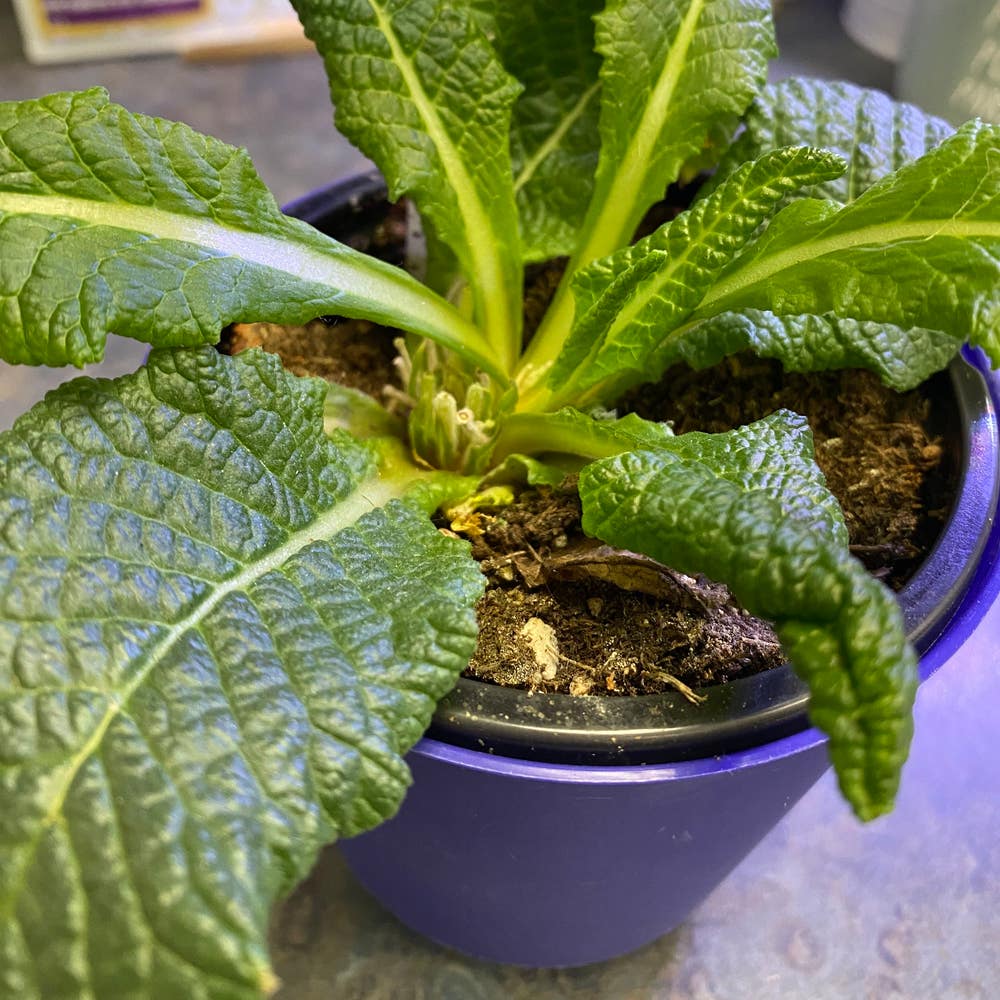
🌼 Optimal Temperature for Your Yellow Primrose
Primula lutescens
By the Greg Editorial Team
Nov 22, 2024•3 min read
This article was created with the help of AI so we can cover more plants for you. May contain errors. See one? Report it here.
- 🌡️ Optimal temperature for yellow primrose is 50°F to 65°F (10°C to 18°C).
- ❄️🔥 Cold and heat stress cause wilting, discoloration, and leaf curling in primroses.
- 🌞🌳 Shade and mulch help maintain ideal temperatures for healthy yellow primrose growth.
Temperature Requirements
Ideal Temperature Range 🌡️
For your yellow primrose to thrive, aim for an optimal temperature range of 50°F to 65°F (10°C to 18°C). Maintaining this range is crucial for healthy growth and vibrant flowering, as it helps prevent stress and promotes longevity.
Signs of Temperature Stress 🚨
Recognizing the signs of temperature stress is essential for keeping your primrose healthy.
Symptoms of Cold Stress ❄️
Cold stress can manifest in several ways:
- Leaves may wilt and droop, signaling distress.
- Discoloration can occur, with yellowing or browning at the edges.
- You might also notice stunted growth and reduced flowering, indicating that your plant is struggling.
Symptoms of Heat Stress 🔥
Heat stress presents its own set of symptoms:
- Look for leaf curling or wilting, which suggests excessive heat.
- Faded flower colors and premature blooming can also indicate that your primrose is too hot.
- Additionally, heat-stressed plants become more susceptible to pests and diseases, making vigilance crucial.
Causes of Temperature Stress ⚠️
Understanding the causes of temperature stress can help you mitigate its effects.
Environmental Factors 🌍
Several environmental factors contribute to temperature stress:
- Sudden temperature fluctuations, such as day-night variations and unseasonable weather patterns, can shock your plants.
- Poor location choices, like areas with excessive sun exposure or strong winds, can exacerbate these issues.
Temperature Management Strategies 🛠️
Implementing effective temperature management strategies is key to nurturing your yellow primrose.
Tips for Maintaining Optimal Temperature 🌿
Here are some practical tips to maintain the ideal temperature:
- Select appropriate planting locations, such as shaded areas during peak summer heat and sheltered spots to protect from cold winds.
- Using mulch can help regulate soil temperature, with organic mulch providing excellent insulation benefits.
Protective Measures During Extremes 🧊
When faced with extreme temperatures, consider these protective measures:
- For frost protection, cover your plants with cloth or plastic during cold snaps to shield them from harsh conditions.
- In extreme heat, provide shade using cloth or shade structures to help keep your primrose cool.
Geographic Considerations 🗺️
Understanding the geographic considerations can enhance your growing success.
Best Regions for Growing 🌼
Yellow primroses thrive in specific regions:
- They flourish in temperate regions of Europe and Asia.
- Ideal USDA hardiness zones for these plants range from 4 to 8.
Adapting Care for Different Climates 🌡️
Tailoring your care based on climate is essential:
- In cooler climates, adjust your planting timing and seasonal care to suit the conditions.
- For warmer climates, ensure your primrose receives afternoon shade and manage soil moisture effectively.
By keeping these temperature requirements and management strategies in mind, you can create a thriving environment for your yellow primrose. This foundation will set the stage for exploring more about their care and growth in the following sections.
⚠️ Safety First
This content is for general information and may contain errors, omissions, or outdated details. It is not medical, veterinary advice, or an endorsement of therapeutic claims.
Always consult a qualified healthcare professional before using any plant as food, medicine, or supplement.
Never eat any plant (or feed one to pets) without confirming its identity with at least two trusted sources.
If you suspect poisoning, call Poison Control (800) 222-1222, the Pet Poison Helpline (800) 213-6680, or your local emergency service immediately.
Spotted an error? Please report it here.
Keep your yellow primrose blooming beautifully 🌼 by using Greg's tailored temperature management tips to create the ideal environment for thriving growth!