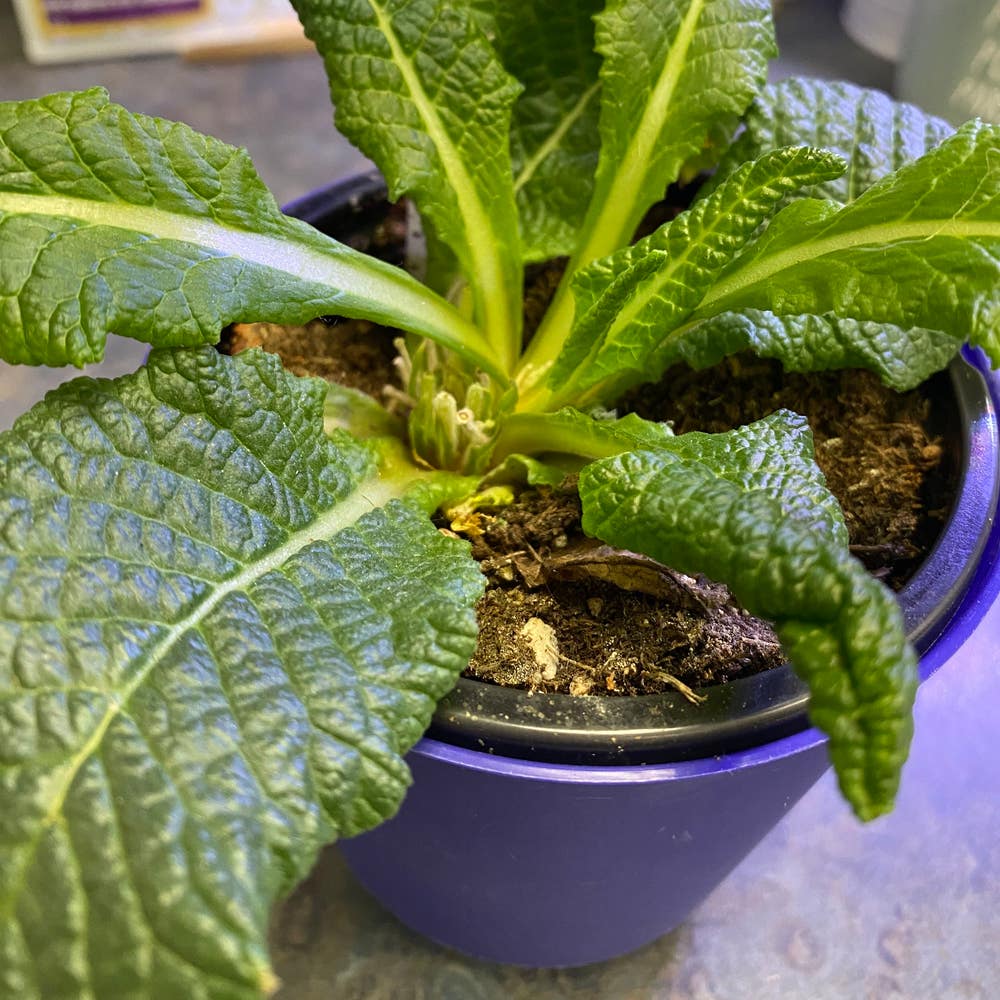
☀️ Ultimate Guide to Light Requirements for Yellow Primrose
Primula lutescens
By the Greg Editorial Team
Nov 22, 2024•3 min read
This article was created with the help of AI so we can cover more plants for you. May contain errors. See one? Report it here.
- 🌞 Yellow Primrose thrives in bright indirect light; avoid direct sunlight to prevent damage.
- 💡 Aim for 12-16 hours of light daily for optimal growth and flowering indoors.
- 🌿 Use grow lights in winter to maintain healthy growth and vibrant blooms.
Light Requirements for Yellow Primrose
🌞 Indoor Light Conditions
Optimal Light for Indoors
For your Yellow Primrose to thrive indoors, it needs bright indirect light. The best spots are near east or west-facing windows, where it can soak up the light without the harshness of direct sun.
Direct sunlight can lead to leaf scorch and wilting, so it's essential to find that sweet spot where your plant can bask in brightness without getting burned.
Indoor Plant Lighting Options
When it comes to indoor lighting, you have two main types: natural and artificial. Natural light is fantastic, but it can be inconsistent, especially in winter months.
Artificial lighting, like LED and fluorescent grow lights, can fill in the gaps. Aim for 12-16 hours of light per day to keep your Yellow Primrose happy and healthy.
To ensure optimal conditions, consider using a light meter to monitor light intensity. This way, you can adjust as needed to create the perfect environment.
🌤️ Outdoor Light Conditions
Sunlight Exposure
Yellow Primrose loves sunlight, but the amount it needs can vary. It thrives in full sun, which means 6-8 hours of direct sunlight, but it can also do well in partial shade, enjoying 3-6 hours of filtered sunlight.
When choosing outdoor locations, look for areas that get morning sun and afternoon shade. This combination helps protect the plant from the harshest rays while promoting healthy growth.
Avoid overly shaded areas, as they can hinder flowering and overall growth, leaving your plant less vibrant than it could be.
🌼 Effects of Light on Flowering
Light plays a crucial role in the flowering process of Yellow Primrose. Adequate light is essential for blooming, so ensure your plant gets enough exposure.
Insufficient light can lead to fewer flowers and weaker growth. Keep an eye on your plant's light conditions to encourage a beautiful display of blooms.
💡 Using Grow Lights for Indoor Growth
Benefits of Grow Lights
Grow lights are a game-changer for indoor gardening. They enhance light availability, ensuring your Yellow Primrose gets the brightness it craves.
LED grow lights are particularly popular due to their energy efficiency and effectiveness. Fluorescent lights are also a great option, especially for seedlings and low-light situations.
Implementation of Grow Lights
When using grow lights, placement matters. Ensure they are positioned at the right distance from your plants to provide adequate light intensity without causing stress.
Mimic natural light cycles by keeping the grow lights on for about 12-16 hours a day. Regularly monitor your plant's response to the light, adjusting settings as necessary to promote optimal growth and health.
🍂 Seasonal Considerations
Adjusting Light Exposure by Season
As seasons change, so should your approach to lighting. In winter, consider moving your plants closer to windows to maximize available light.
During shorter days, utilizing grow lights can help maintain healthy growth. This adaptability is key to keeping your Yellow Primrose thriving year-round.
Impact of Seasonal Changes on Growth
Seasonal changes can significantly affect your plant's health. Expect slower growth during low-light months, which is perfectly normal.
Prepare for seasonal transitions by ensuring your Yellow Primrose has adequate light for flowering in spring. This proactive approach will help you enjoy a vibrant display when the blooming season arrives.
⚠️ Safety First
This content is for general information and may contain errors, omissions, or outdated details. It is not medical, veterinary advice, or an endorsement of therapeutic claims.
Always consult a qualified healthcare professional before using any plant as food, medicine, or supplement.
Never eat any plant (or feed one to pets) without confirming its identity with at least two trusted sources.
If you suspect poisoning, call Poison Control (800) 222-1222, the Pet Poison Helpline (800) 213-6680, or your local emergency service immediately.
Spotted an error? Please report it here.
Help your Yellow Primrose bloom brilliantly 🌼 by using Greg's tailored light tips and reminders to create the perfect lighting conditions for thriving growth!