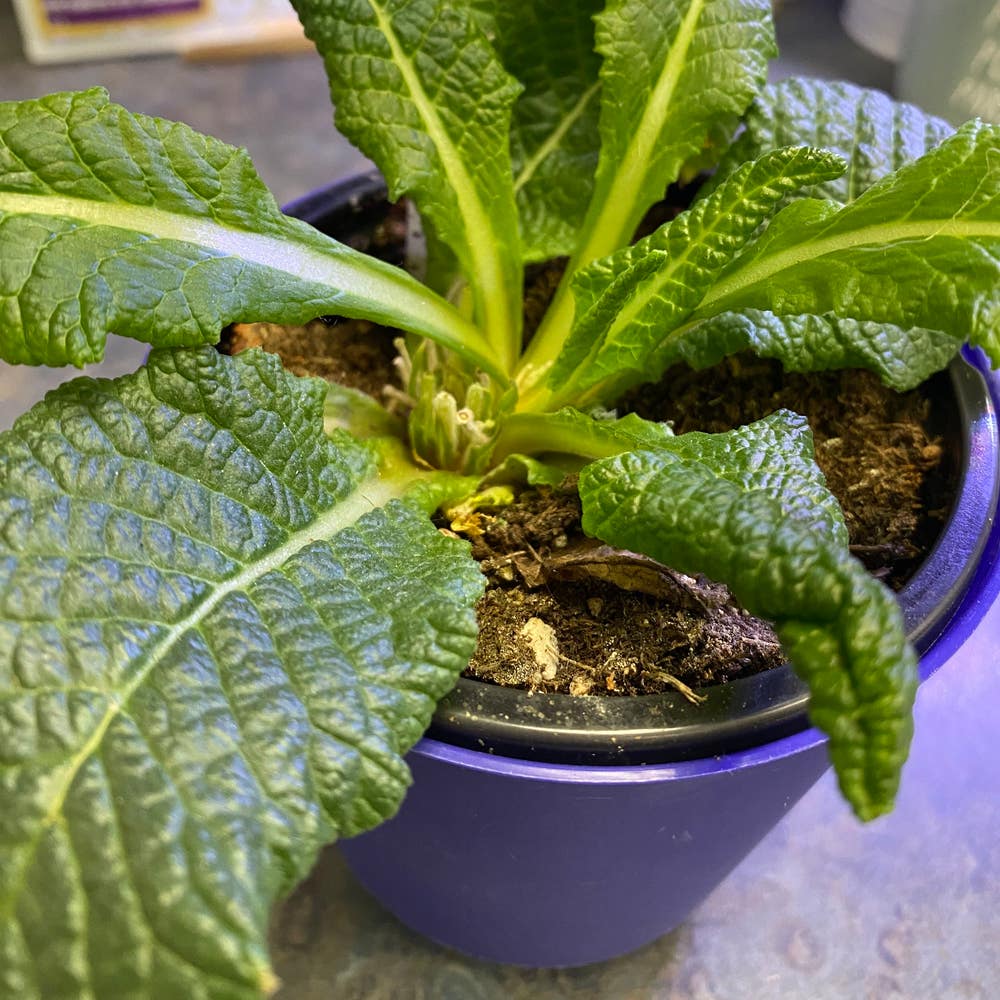
🌼 How to Cure Brown Spots on Your Yellow Primrose
Primula lutescens
By the Greg Editorial Team
Nov 22, 2024•7 min read
This article was created with the help of AI so we can cover more plants for you. May contain errors. See one? Report it here.
- 🌱 Brown spots on Yellow Primrose stem from infections, pests, or nutrient deficiencies.
- 🦠 Fungal and bacterial infections cause distinct brown spots; treat with fungicides or insecticidal soap.
- 💧 Proper watering and sunlight are crucial to prevent brown spots and promote health.
Causes of Brown Spots
🦠 Fungal Infections
Fungal infections are a primary culprit behind brown spots on Yellow Primrose. Common diseases include leaf spot disease and powdery mildew, which manifest as dark brown or black spots often surrounded by yellow halos.
These fungi thrive in conditions of high humidity and poor air circulation. Ensuring adequate airflow around your plants can significantly reduce the risk of these infections.
🦠 Bacterial Infections
Bacterial infections can also lead to brown spots on your Primrose. Symptoms typically include water-soaked spots that may eventually turn brown, signaling a serious issue.
Common bacterial pathogens affecting Primrose include Pseudomonas and Erwinia. These bacteria flourish in warm, moist environments, making it crucial to monitor your plant's surroundings.
🥦 Nutrient Deficiencies
Nutrient deficiencies are another common cause of brown spots. Key nutrients for Yellow Primrose include nitrogen, potassium, and magnesium.
When these nutrients are lacking, you may notice yellowing leaves accompanied by brown spots. Conducting a soil test can help you determine nutrient levels and guide your fertilization efforts.
🌞 Environmental Stress
☀️ Sunburn on Leaves
Sunburn can lead to unsightly brown spots on your Primrose leaves. Symptoms include bleached or scorched areas, often resulting from excessive direct sunlight, especially in hot climates.
To prevent sunburn, consider providing some shade during the hottest parts of the day.
🚰 Overwatering
Overwatering is a frequent mistake that can cause brown spots as well. Symptoms include wilting, yellowing, and brown spots, indicating that your plant is stressed.
Ensuring well-draining soil and adopting proper watering techniques are essential for maintaining healthy Primrose plants.
🐞 Pest Infestation
🐜 Aphids
Aphids are notorious for infesting Yellow Primrose, leaving behind sticky residue and curled leaves. Their feeding can stunt growth and lead to brown spots on the foliage.
Regularly inspecting your plants for signs of these pests can help you catch infestations early.
🕷️ Spider Mites
Spider mites can also wreak havoc on your Primrose. Symptoms include fine webbing and stippled leaves, which can lead to yellowing and browning.
Maintaining humidity and regularly checking for these pests can help keep your plants healthy and vibrant.
Understanding these causes is crucial for effective treatment and prevention. Next, we will explore how to diagnose brown spots on your Yellow Primrose.
Diagnosing Brown Spots
🕵️ Identifying Symptoms
To effectively diagnose brown spots on your Yellow Primrose, start with a visual inspection. Pay attention to the color, size, and pattern of the spots, as these details can reveal much about the underlying issue.
Next, assess the leaf texture. Soft, mushy spots may indicate a fungal or bacterial infection, while dry, crispy spots often signal environmental stress or nutrient deficiencies.
🔍 Differentiating Between Causes
Understanding the differences between fungal and bacterial infections is crucial. Fungal spots typically appear as dark brown or black with yellow halos, while bacterial spots often start as water-soaked areas that turn brown.
Nutrient deficiencies can also manifest as brown spots. Look for signs of overall leaf health, such as yellowing leaves or stunted growth, which can indicate a lack of essential nutrients.
🌱 Assessing Plant Environment
Evaluating your plant's environment is essential for accurate diagnosis. Check the light exposure; Yellow Primroses thrive in bright, indirect sunlight, so too much direct sun can lead to leaf burn.
Finally, assess soil moisture. Signs of overwatering include wilting and yellowing, while underwatering may cause browning and crispiness. Adjusting your care routine based on these observations can help you pinpoint the cause of those pesky brown spots.
With a clear understanding of symptoms and environmental factors, you're now equipped to tackle the next steps in treating your Yellow Primrose effectively.
Treatment Options
🌱 Fungal Treatment
Fungal infections can wreak havoc on your Yellow Primrose, but the right fungicides can help restore its health. Look for products containing copper fungicide or chlorothalonil, which are effective against common fungal diseases.
When applying fungicides, timing is crucial. Treat your plants early in the morning or late in the afternoon to avoid direct sunlight, ensuring the product has time to work effectively.
🌿 Nutrient Management
Nutrient deficiencies can lead to brown spots, so it's essential to provide balanced nutrition. Opt for a balanced NPK fertilizer, which contains nitrogen, phosphorus, and potassium, to support overall plant health.
Adjust your fertilization frequency with the seasons. During the growing season, fertilize every 4-6 weeks, while in the dormant months, reduce to once every 8-10 weeks.
🐛 Pest Control Methods
Pests like aphids and spider mites can cause significant damage to your Primrose. Insecticidal soap is an excellent option for controlling these pests; simply spray it directly on the affected areas.
Neem oil is another effective pest control method. It not only repels insects but also disrupts their life cycle, making it a powerful ally in maintaining plant health.
💧 Watering Adjustments
Proper watering is vital for preventing brown spots. Ensure your soil has good drainage by incorporating materials like perlite or sand to improve aeration.
Adjust your watering frequency based on the season. In warmer months, check the soil moisture regularly and water when the top inch feels dry, while in cooler months, reduce watering to prevent over-saturation.
By implementing these treatment options, you can effectively combat brown spots and promote a thriving Yellow Primrose. Next, let’s explore preventive measures to keep your plant healthy year-round.
Preventive Measures
💧 Proper Watering Techniques
Establishing a consistent watering schedule is crucial for the health of your Yellow Primrose. Aim to water deeply once a week, adjusting frequency based on rainfall and temperature.
To ensure your plant is getting the right amount of moisture, check the soil by sticking your finger about an inch deep. If it feels dry, it’s time to water; if it’s still moist, hold off for a bit.
🌱 Soil Health and Composition
Creating an ideal soil mix is essential for promoting drainage and preventing root rot. A combination of potting soil, perlite, and compost works wonders for Yellow Primrose.
Incorporating organic matter not only enhances soil fertility but also improves moisture retention. This balance helps your plant thrive and reduces the risk of brown spots.
☀️ Sunlight Requirements
Understanding your plant's light needs is key to its success. Yellow Primrose flourishes in full sun but can benefit from partial shade during the hottest parts of the day.
As seasons change, be ready to adjust your plant's placement. This ensures it receives optimal light throughout the year, promoting healthy growth and vibrant blooms.
🔍 Regular Plant Monitoring
Routine checks on your Yellow Primrose can catch issues before they escalate. Look for changes in leaf color, texture, and overall health to identify potential problems early.
Keeping a care journal is a great way to document your plant's progress and any treatments you apply. This practice not only helps you stay organized but also deepens your connection with your plant.
By implementing these preventive measures, you can significantly reduce the chances of brown spots and ensure your Yellow Primrose remains healthy and vibrant. Next, let’s explore seasonal care adjustments to keep your plant thriving year-round.
Seasonal Considerations
🌱 Seasonal Care Adjustments
Spring is a crucial time for your Yellow Primrose. Begin with fertilization to boost growth and implement pest prevention strategies to keep your plants healthy.
As summer approaches, adjust your watering routine. Ensure your Primrose receives adequate moisture while considering shade options to protect it from the intense sun.
❄️ Preparing for Winter
Winter can be harsh on your Yellow Primrose, so take proactive steps to protect it. Mulching around the base helps insulate the roots, while covering the plant can shield it from freezing temperatures.
Additionally, adjust your watering frequency during the winter months. Less water is needed as the plant enters dormancy, so monitor soil moisture carefully.
🌼 Spring Growth and Care
As spring returns, watch for signs of new growth in your Yellow Primrose. Look for fresh leaves and budding flowers, indicating that your plant is waking up from its winter slumber.
To promote healthy blooms, consider pruning any dead or damaged foliage. Fertilization during this time can also enhance growth, ensuring your Primrose flourishes throughout the season.
With these seasonal considerations in mind, your Yellow Primrose will thrive year-round, setting the stage for vibrant blooms and robust health. Next, let’s explore effective treatment options to address any brown spots that may arise.
⚠️ Safety First
This content is for general information and may contain errors, omissions, or outdated details. It is not medical, veterinary advice, or an endorsement of therapeutic claims.
Always consult a qualified healthcare professional before using any plant as food, medicine, or supplement.
Never eat any plant (or feed one to pets) without confirming its identity with at least two trusted sources.
If you suspect poisoning, call Poison Control (800) 222-1222, the Pet Poison Helpline (800) 213-6680, or your local emergency service immediately.
Spotted an error? Please report it here.
Keep your Yellow Primrose thriving 🌱 by using Greg's tailored care reminders and expert tips to tackle brown spots and ensure vibrant blooms!