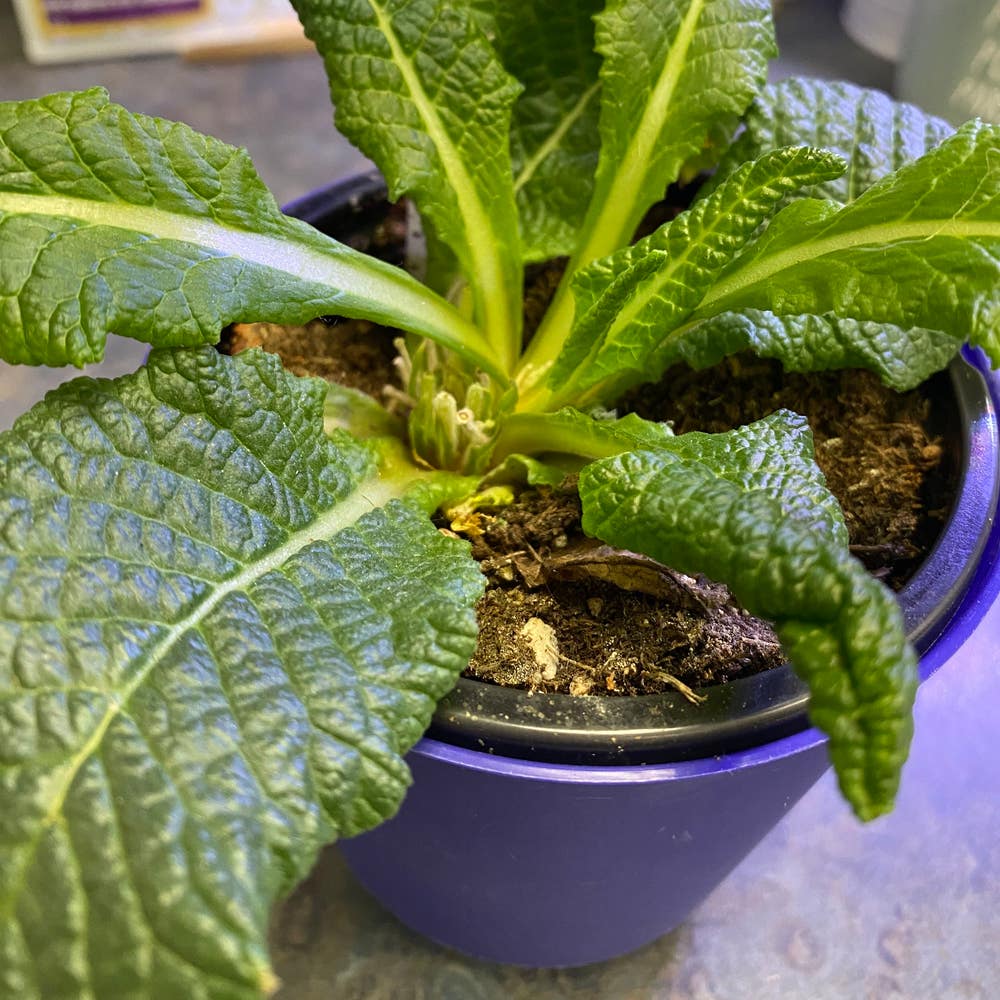
🌼 3 Secrets to Successfully Grow Yellow Primrose
Primula lutescens
By the Greg Editorial Team
Nov 22, 2024•6 min read
This article was created with the help of AI so we can cover more plants for you. May contain errors. See one? Report it here.
- 🌞 Yellow primrose loves partial shade, thriving with 4-6 hours of sunlight daily.
- 🌱 Well-drained, slightly acidic soil (pH 6.0-7.0) is essential for healthy growth.
- 💧 Consistent watering prevents root rot; monitor for signs of over or underwatering.
Site Selection and Soil Preparation
🌍 Choosing the Right Location
When growing yellow primrose, selecting the right location is crucial. These plants thrive in partial shade, ideally receiving 4-6 hours of sunlight daily.
If you opt for a full sun location, be prepared for additional watering and care. This extra attention ensures your primroses remain healthy and vibrant.
🌱 Soil Type and pH Requirements
Yellow primrose prefers well-drained, moist soil but is adaptable to various soil types. The key is to maintain a slightly acidic to neutral pH, ideally between 6.0 and 7.0.
This pH range supports optimal nutrient availability, promoting robust growth and blooming.
🛠️ Soil Preparation Techniques
To prepare your soil for planting, incorporate organic matter like compost. This amendment enhances soil structure, providing essential nutrients for your primrose.
Additionally, ensure proper drainage to prevent root rot. If your soil tends to retain water, consider using raised beds to improve drainage and promote healthy root development.
With the right location and soil preparation, your yellow primrose will flourish. Next, let’s explore the best planting techniques to ensure a successful start for your flowers.
Planting Techniques
Best Planting Times 🌱
Timing is everything when it comes to planting yellow primrose. For optimal growth, aim to plant in early spring or fall, as these seasons provide the best conditions for establishment.
If you're considering container planting, you're in luck! You can plant yellow primrose at any time, provided the conditions are right.
Planting Depth and Spacing 📏
Getting the planting depth right is crucial. Aim for a depth of 1-2 inches to ensure your primrose thrives.
When it comes to spacing, outdoor plants should be spaced 12-18 inches apart. For container gardening, you can plant them closer together, allowing for a lush display.
Container vs. Outdoor Planting Methods 🏡
Container gardening offers flexibility and is perfect for patios and balconies. Just remember to use pots with drainage holes to prevent waterlogging.
For outdoor planting, prepare your garden beds with proper spacing and soil amendments. This will set your yellow primrose up for success in the garden.
With the right planting techniques in place, your yellow primrose will be well on its way to flourishing. Next, let’s dive into the essential aspects of watering and fertilizing to keep your plants healthy and vibrant.
Watering and Fertilizing
💧 Watering Frequency and Techniques
Maintaining the right moisture level is crucial for yellow primrose. Keep the soil consistently moist but avoid waterlogging, which can lead to root issues.
To achieve this, consider using drip irrigation systems or watering directly at the base of the plant. This method helps prevent wetting the foliage, reducing the risk of fungal diseases.
🌱 Fertilizer Types and Application Schedule
For optimal growth, use balanced, slow-release fertilizers, specifically those with an NPK ratio of 10-10-10. These fertilizers provide essential nutrients that promote healthy foliage and vibrant blooms.
Apply fertilizer every 4-6 weeks during the growing season to ensure your yellow primrose thrives. Regular feeding supports robust growth and flowering.
🚿 Signs of Overwatering or Underwatering
Recognizing the signs of overwatering is key to maintaining healthy plants. Symptoms include yellowing leaves, wilting, and root rot, which can quickly become detrimental.
On the flip side, underwatering manifests as wilting, dry leaf edges, and stunted growth. Monitoring your watering habits will help you keep your yellow primrose in peak condition.
With proper watering and fertilizing techniques, your yellow primrose will flourish beautifully. Next, let’s explore effective pruning and maintenance strategies to keep your plants healthy and vibrant throughout the seasons.
Pruning and Maintenance
When and How to Prune 🌱
Pruning yellow primrose is essential for encouraging new growth. The best time to prune is right after flowering; this allows the plant to focus its energy on producing fresh blooms.
To prune effectively, use clean, sharp scissors. This ensures a clean cut, minimizing the risk of disease and promoting healthy regrowth.
Deadheading Techniques for Continuous Blooms 🌼
Deadheading is a simple yet effective technique to keep your yellow primrose blooming. Just pinch off the spent flowers to encourage the plant to produce more blooms.
Make it a habit to regularly check for and remove dead flowers throughout the growing season. This not only enhances the plant's appearance but also promotes a longer flowering period.
Seasonal Care Routines for Ongoing Health 🍂
Maintaining your yellow primrose involves seasonal care routines that keep it thriving. In spring, fertilize the plants and inspect for pests to ensure they start the growing season strong.
As fall approaches, prepare your primrose for winter by cutting back the foliage and applying mulch. This helps protect the roots from harsh winter conditions and sets the stage for a vibrant return in spring.
With these pruning and maintenance tips, your yellow primrose will flourish beautifully, ready to brighten your garden year after year. Next, let’s explore common challenges and solutions to keep your plants healthy and thriving.
Common Challenges and Solutions
🐛 Identifying and Managing Pests
Pests can be a real headache for yellow primrose gardeners. Understanding how to identify and manage these nuisances is crucial for maintaining healthy plants.
Aphids
Aphids are small, soft-bodied insects that can wreak havoc on your primrose. Look for signs like curling leaves and a sticky residue on the plant.
To control aphids, consider using insecticidal soap or neem oil. You can also introduce beneficial insects, like ladybugs, which feast on aphids and help keep their population in check.
Slugs
Slugs are another common pest that can damage your yellow primrose. They leave behind holes in leaves and slimy trails, making them easy to spot.
To manage slugs, handpicking is effective, especially in the early morning or late evening. You can also set traps or sprinkle diatomaceous earth around your plants to deter them.
🦠 Common Diseases
Diseases can also pose a threat to your yellow primrose. Recognizing symptoms early can save your plants from serious damage.
Root Rot
Root rot is a serious condition that can lead to wilting, yellowing leaves, and mushy roots. It often results from overwatering or poorly drained soil.
To prevent root rot, ensure your soil is well-drained and avoid overwatering. Regularly check the moisture level to keep your plants thriving.
Powdery Mildew
Powdery mildew appears as white, powdery spots on leaves and can spread quickly if not addressed. It thrives in humid conditions and poor air circulation.
To control powdery mildew, improve air circulation around your plants. Remove infected leaves promptly and consider using fungicides if the problem persists.
🌍 Tips for Overcoming Environmental Stressors
Environmental stressors can impact the health of your yellow primrose. Here are some tips to help your plants thrive despite these challenges.
Temperature: Protect your primrose from extreme heat or cold by using mulch or shade cloth. This helps regulate soil temperature and moisture.
Humidity: Maintain consistent moisture levels in the soil. In dry conditions, consider misting your plants to keep them hydrated and happy.
By staying vigilant and proactive, you can effectively manage pests, diseases, and environmental stressors. This will ensure your yellow primrose continues to flourish, leading to a vibrant and colorful garden.
Next, let's explore the essential pruning and maintenance techniques that will keep your plants in top shape.
⚠️ Safety First
This content is for general information and may contain errors, omissions, or outdated details. It is not medical, veterinary advice, or an endorsement of therapeutic claims.
Always consult a qualified healthcare professional before using any plant as food, medicine, or supplement.
Never eat any plant (or feed one to pets) without confirming its identity with at least two trusted sources.
If you suspect poisoning, call Poison Control (800) 222-1222, the Pet Poison Helpline (800) 213-6680, or your local emergency service immediately.
Spotted an error? Please report it here.
Unlock vibrant blooms 🌼 with Greg's personalized care tips and watering reminders to keep your yellow primrose thriving all season long!