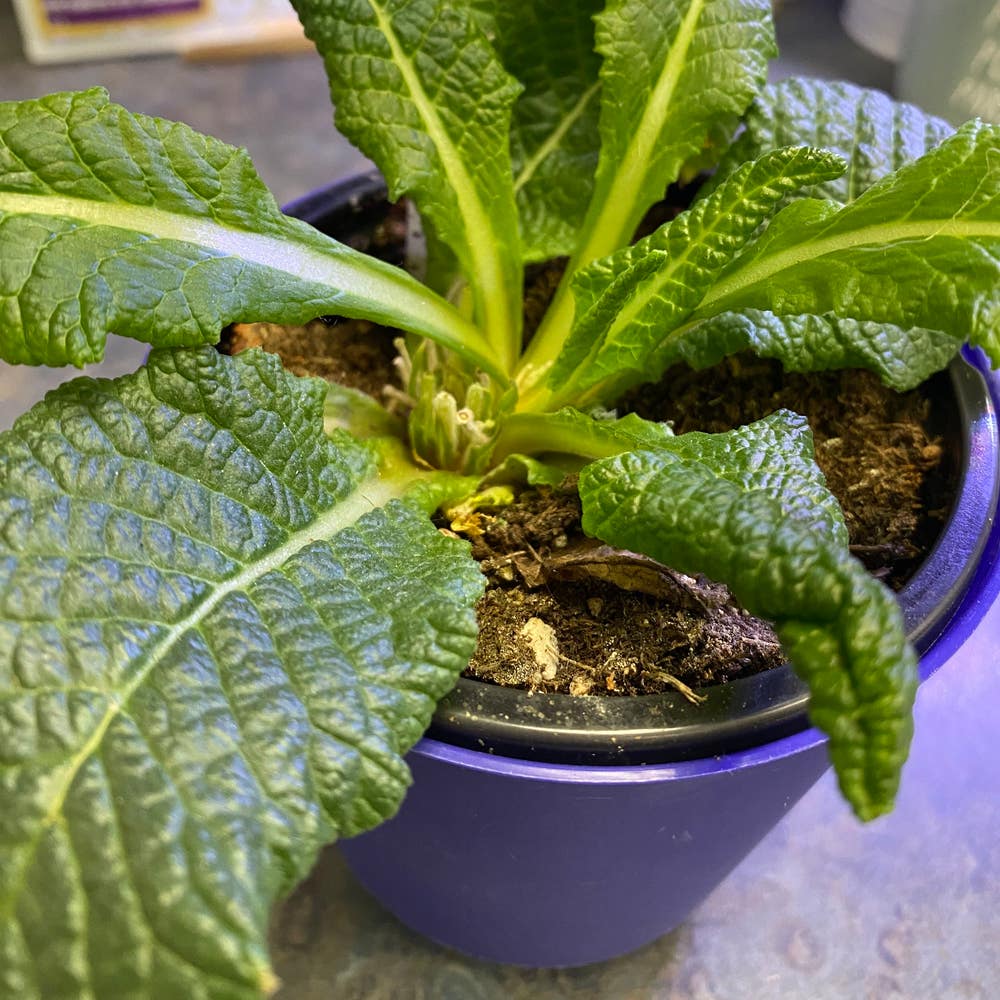
🌼 3 Tips for Healing Dropping Leaves on Your Yellow Primrose
Primula lutescens
By the Greg Editorial Team
Nov 22, 2024•5 min read
This article was created with the help of AI so we can cover more plants for you. May contain errors. See one? Report it here.
- 💧 Overwatering and underwatering are primary causes of leaf drop in yellow primrose.
- 🌱 Inspect for pests and diseases regularly to maintain plant health and prevent leaf drop.
- 🌞 Adjust light and humidity for optimal growth; both too much and too little stress plants.
Diagnosing Leaf Drop
🌊 Identifying Signs of Overwatering
Overwatering is a common issue for yellow primrose, and recognizing its signs is crucial. Start by checking soil moisture levels; you can use a moisture meter or simply stick your finger into the soil to gauge its dampness.
Next, inspect the roots by gently removing the plant from its pot. Look for blackened, mushy roots, which indicate rot and signal that your plant is drowning.
💧 Recognizing Signs of Underwatering
Underwatering can also lead to leaf drop, so it's essential to assess the leaf condition. If you notice dry, crispy leaves, it's a clear sign that your primrose needs more water.
Additionally, check the soil's dryness and the overall appearance of the plant. A parched plant will often show signs of distress, so act quickly to restore its hydration.
🐛 Checking for Pests and Diseases
Pests and diseases can wreak havoc on your yellow primrose, leading to leaf drop. Conduct a visual inspection by examining the undersides of leaves and stems for any pests that may be lurking.
Look out for signs of disease, such as fungal growth or discoloration on leaves. Early detection is key to preventing further damage.
🌡️ Assessing Environmental Conditions
Environmental factors play a significant role in the health of your primrose. Evaluate the temperature and humidity levels in the growing area to ensure they are suitable for your plant's needs.
Also, consider the duration and intensity of light exposure. Too much or too little light can stress your primrose, contributing to leaf drop.
By diagnosing these issues effectively, you can take the necessary steps to revive your yellow primrose and keep it thriving. Next, let’s explore how to treat dropping leaves and restore your plant's health.
Treating Dropping Leaves
🌊 Adjusting Watering Practices
Establishing a consistent watering schedule is crucial for your yellow primrose. Water the plant when the top inch of soil feels dry, ensuring it gets the moisture it needs without becoming waterlogged.
To help you remember, consider using the Greg plant care app for timely reminders. When you water, do so thoroughly until water drains from the bottom of the pot, promoting healthy root growth.
🕳️ Improving Soil Drainage
Soil drainage is another key factor in preventing leaf drop. A recommended soil mix is a combination of potting soil with perlite or sand in a 50/50 ratio, which helps maintain optimal moisture levels.
When repotting, always choose a pot with drainage holes. This simple step prevents water accumulation, safeguarding your plant from root rot.
🌱 Applying Appropriate Fertilizers
Fertilization plays a vital role in the health of your primrose. Use a balanced NPK fertilizer, such as a 10-10-10 formula, during the growing season to provide essential nutrients.
Apply fertilizer every 4-6 weeks during active growth. This regular feeding will support vibrant foliage and blooming.
🐞 Managing Pests Effectively
Pest management is essential for keeping your yellow primrose thriving. Consider using insecticidal soap or neem oil as effective treatments for common pests.
Additionally, introducing beneficial insects like ladybugs can provide natural pest control. These tiny allies will help maintain a healthy environment for your plant.
Transitioning from treatment to prevention is key to ensuring your yellow primrose remains vibrant and healthy. Let's explore best practices for preventing future leaf drop.
Preventing Future Leaf Drop
🌊 Best Practices for Watering Yellow Primrose
To keep your yellow primrose thriving, monitoring soil moisture is essential. Adjust your watering frequency based on seasonal changes, ensuring the plant receives just the right amount of hydration.
Avoid overwatering by ensuring your pots have adequate drainage. Never let your plants sit in water, as this can lead to root rot and further leaf drop.
🌱 Choosing the Right Soil Mix
Selecting a well-draining, lightweight soil mix is crucial for your primrose's health. This type of soil prevents water retention, which can cause the roots to suffocate.
Consider incorporating organic matter into your soil mix. This amendment enhances drainage and provides essential nutrients for your plant.
🐛 Regular Pest Monitoring
Establishing a routine for inspecting your plants can save you from potential pest problems. Check your yellow primrose weekly for any signs of pests or diseases.
As a preventative measure, use neem oil as a spray every few weeks. This natural solution helps deter pests before they become a significant issue.
☀️ Seasonal Care Tips for Yellow Primrose
Adjusting your care routine according to the seasons is vital for your primrose's well-being. In winter, reduce watering as the plant's growth slows down.
During the dry summer months, increase humidity around your primrose. This can be achieved by misting the leaves or placing a humidifier nearby.
💡 Importance of Proper Light Exposure
Proper light exposure plays a significant role in your plant's health. Rotate your yellow primrose regularly to ensure it receives even light distribution.
To protect your plant from harsh sunlight during peak hours, use sheer curtains. This simple adjustment can help prevent leaf scorch and promote healthy growth.
By implementing these preventive measures, you can ensure your yellow primrose remains vibrant and healthy. Next, let's explore how to treat dropping leaves effectively.
⚠️ Safety First
This content is for general information and may contain errors, omissions, or outdated details. It is not medical, veterinary advice, or an endorsement of therapeutic claims.
Always consult a qualified healthcare professional before using any plant as food, medicine, or supplement.
Never eat any plant (or feed one to pets) without confirming its identity with at least two trusted sources.
If you suspect poisoning, call Poison Control (800) 222-1222, the Pet Poison Helpline (800) 213-6680, or your local emergency service immediately.
Spotted an error? Please report it here.
Revive your yellow primrose and watch it thrive 🌼 by using Greg's tailored watering reminders and pest management tips to keep those leaves healthy and happy!