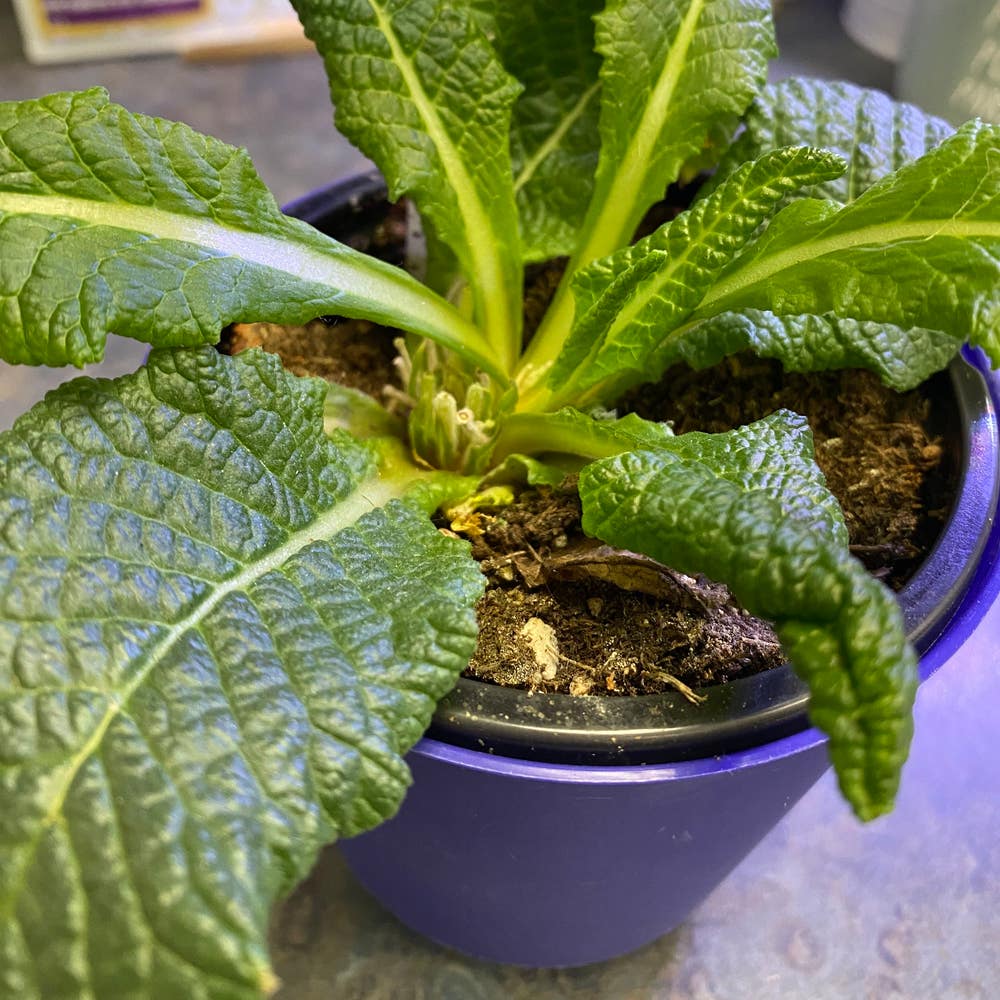
Best Spot to Plant Your Yellow Primrose ☀️
Primula lutescens
By the Greg Editorial Team
Nov 22, 2024•5 min read
This article was created with the help of AI so we can cover more plants for you. May contain errors. See one? Report it here.
- 🌱 Yellow primroses thrive in well-drained, loamy soil for optimal growth.
- 🌞 Plant in areas with consistent, indirect light to prevent leaf scorch.
- 🌬️ Protect from wind by positioning near walls or taller plants for better health.
Soil Conditions
Ideal Soil Type and Texture 🌱
For your yellow primrose to thrive, start with well-drained, loamy soil. This type of soil provides the perfect balance of moisture retention and aeration, crucial for healthy root growth.
The texture of the soil should be fine to medium. This ensures that roots can easily penetrate and access nutrients, promoting robust plant development.
Drainage Requirements 🚰
Proper drainage is essential to prevent root rot, a common issue for yellow primroses. If you notice water pooling or soggy soil, it’s a sign that drainage is inadequate.
To improve drainage, consider adding organic matter or sand to your soil mix. These amendments help create air pockets, allowing excess water to escape and keeping roots healthy.
Soil pH Preferences ⚖️
Yellow primroses prefer a slightly acidic to neutral pH range of 6.0 to 7.0. Maintaining this pH level is vital for nutrient availability and overall plant health.
You can test your soil pH using a home testing kit or by consulting a professional service. If adjustments are necessary, incorporate sulfur to increase acidity or lime to raise alkalinity, ensuring your primrose has the best growing conditions.
With the right soil conditions established, you’re well on your way to cultivating vibrant yellow primroses. Next, let’s explore how to position these beauties alongside other plants and structures for optimal growth.
Proximity to Other Plants and Structures
🌱 Companion Planting Benefits
Companion planting is a fantastic way to enhance your garden's health and beauty. By choosing plants that share similar moisture and light needs, you can create a thriving ecosystem.
- Benefits: This practice not only aids in pest control but also promotes improved growth and adds aesthetic appeal to your garden.
- Ideal Companions: Consider pairing your yellow primrose with hostas, ferns, or other shade-tolerant plants for the best results.
📏 Spacing Considerations
Proper spacing is crucial for the health of your yellow primrose. Aim to plant them 12-18 inches apart to ensure optimal air circulation.
- Impact of Overcrowding: When plants are too close together, they compete for nutrients and water, which can stunt their growth.
- Adjusting Spacing: Always consider the mature size of surrounding plants to avoid overcrowding and promote a healthy garden environment.
🌬️ Protection from Wind and Harsh Elements
Wind can be a significant threat to delicate flowers like yellow primrose. Protecting them from harsh elements is essential for their survival.
- Importance of Wind Protection: Shielding your plants from strong winds prevents damage to their flowers and foliage.
- Strategies for Wind Protection: Planting near walls, fences, or taller plants can provide the necessary shelter. Observing wind patterns in your garden will help you evaluate the best locations for planting.
By considering these factors, you can create a flourishing environment for your yellow primrose, ensuring they thrive alongside their companions. Next, let’s explore how to assess the best spot for planting by evaluating sunlight patterns.
Assessing the Best Spot
🌞 Evaluating Sunlight Patterns
To ensure your yellow primrose thrives, start by observing sunlight patterns throughout the day. Morning light is typically gentler, while afternoon sun can be more intense, so finding a balance is key.
Utilize tools like a sun calculator or conduct a shadow study to assess light exposure in your garden. Aim for areas that receive consistent, indirect light, as this is ideal for promoting healthy growth.
💧 Checking Soil Moisture and Drainage
Next, it's essential to check soil moisture and drainage. You can use the finger test—simply stick your finger into the soil to gauge moisture—or invest in a soil moisture meter for more precise readings.
Drainage is crucial; standing water can lead to root rot. If you find your soil is too wet, consider adjusting your planting location to drier areas or improving drainage with organic matter.
🌱 Observing Existing Plant Health
Finally, take a close look at the health of existing plants in your chosen area. Healthy plants will display vibrant foliage and abundant blooms, indicating a suitable environment.
Conversely, signs of stress like wilting or yellowing can signal issues with the soil or light conditions. Use these observations to guide your planting decisions, opting for spots where nearby vegetation is thriving.
By carefully evaluating sunlight, moisture, and existing plant health, you can confidently select the best spot for your yellow primrose. This thoughtful approach will set the stage for a flourishing garden.
Indoor Planting Considerations
🌞 Light Requirements for Indoor Planting
When planting yellow primrose indoors, aim for bright, indirect light. Direct sunlight can scorch the leaves and lead to dehydration, so it's crucial to find that sweet spot.
To enhance light exposure, consider using grow lights, especially during the darker months. These can help your primrose thrive when natural light is limited.
🌱 Potting Soil Recommendations
For optimal growth, use a well-draining, moisture-retentive potting mix. A blend of peat moss, perlite, and compost works wonders for your yellow primrose.
Don't forget the importance of repotting! Refreshing the soil every 1-2 years ensures your plant has the nutrients it needs to flourish.
🪴 Placement Near Windows or Artificial Light Sources
Position your primrose near east or west-facing windows for the best light conditions. This placement allows for ample light while avoiding the risk of overheating.
Maintain a safe distance from windows to prevent excessive heat exposure. If you're using artificial lights, place them 6-12 inches above the plant for optimal results.
With these indoor planting considerations, your yellow primrose will be well on its way to thriving in your home. Next, let’s explore how to assess the best spot for outdoor planting!
⚠️ Safety First
This content is for general information and may contain errors, omissions, or outdated details. It is not medical, veterinary advice, or an endorsement of therapeutic claims.
Always consult a qualified healthcare professional before using any plant as food, medicine, or supplement.
Never eat any plant (or feed one to pets) without confirming its identity with at least two trusted sources.
If you suspect poisoning, call Poison Control (800) 222-1222, the Pet Poison Helpline (800) 213-6680, or your local emergency service immediately.
Spotted an error? Please report it here.
Ensure your yellow primroses thrive beautifully 🌼 by using Greg for tailored care tips and reminders that will keep your plants happy and healthy!