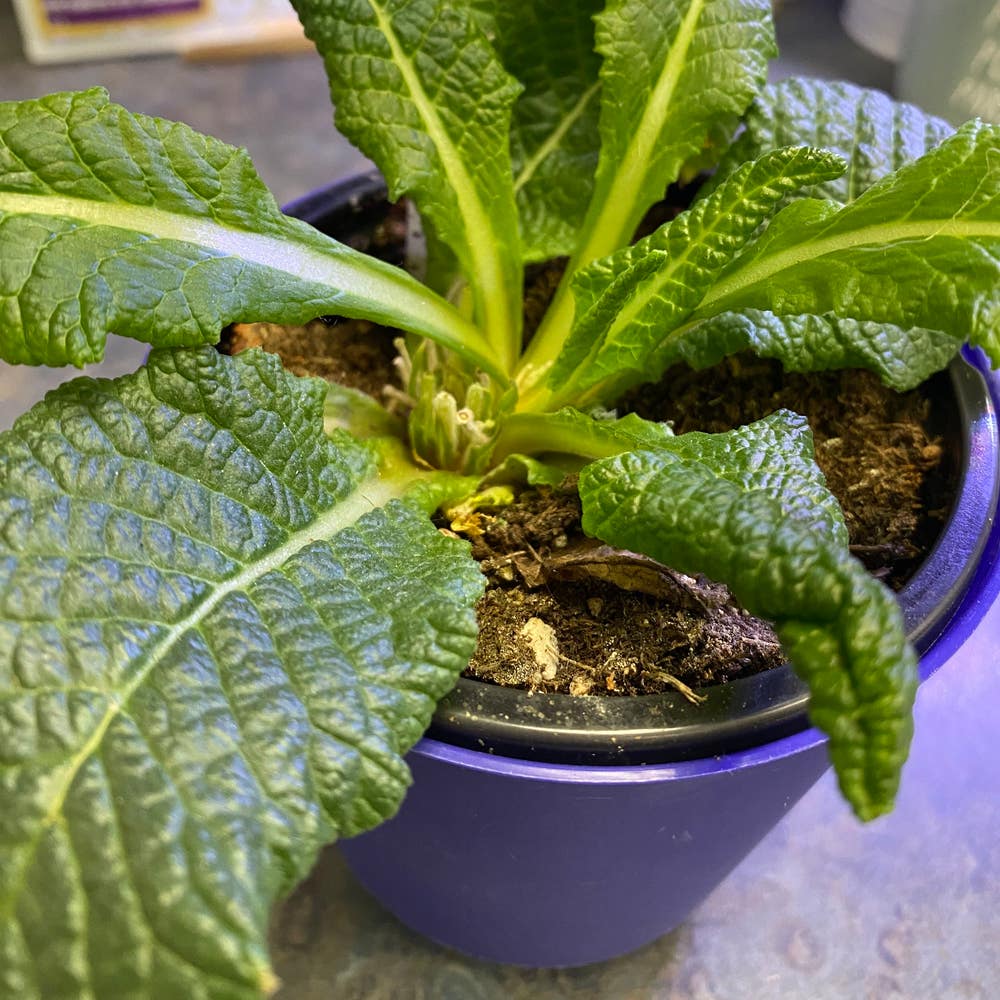
🌼 Best Tips for Propagating Yellow Primrose
Primula lutescens
By the Greg Editorial Team
Nov 22, 2024•6 min read
This article was created with the help of AI so we can cover more plants for you. May contain errors. See one? Report it here.
- 🌱 Collect yellow primrose seeds in late spring for successful propagation.
- 🌡️ Germination thrives at 15°C to 20°C; ensure optimal conditions for growth.
- ✂️ Cuttings root better with hormone and humidity; follow proper techniques for success.
Propagating from Seeds
Step-by-step Guide for Seed Collection 🌱
Collecting seeds from your yellow primrose is a straightforward process. Start by timing your collection for late spring to early summer, right after the flowering period.
To gather the seeds, gently shake the seed heads into a paper bag or container. This method ensures you capture as many seeds as possible without damaging the plant. After collection, allow the seeds to dry for a few days in a cool, dark place to prepare them for germination.
Ideal Conditions for Germination 🌡️
Creating the right environment for seed germination is crucial. Aim for a temperature range of 15°C to 20°C (59°F to 68°F) for optimal results.
Light plays a significant role as well; indirect light is preferred to avoid overheating. Additionally, use a well-draining seed starting mix with a pH of 6.0 to 7.0 to give your seeds the best chance to thrive.
Timing for Sowing Seeds ⏰
Timing your sowing can greatly influence your success. For indoor germination, the best time to sow seeds is late winter to early spring. If you're sowing outdoors, late spring is ideal.
Expect germination to take between 14 to 30 days, depending on the conditions you provide. Keeping an eye on your seeds during this period will help you adjust care as needed.
With these steps, you're well on your way to successfully propagating yellow primrose from seeds. Next, let’s explore how to propagate this lovely plant from cuttings for even more growth opportunities.
Propagating from Cuttings
🌱 Selecting Healthy Cuttings
To successfully propagate yellow primrose from cuttings, start by selecting healthy stems. Look for non-flowering stems that have at least 2-3 leaf nodes, as these will root more effectively.
Aim for cuttings that are 4-6 inches long. This length provides enough material for rooting while ensuring the cutting can absorb nutrients efficiently.
✂️ Preparing Cuttings for Rooting
Preparation is key for successful rooting. First, cut the stem at a 45-degree angle just below a leaf node to maximize surface area for root growth.
Next, remove the lower leaves to prevent rot during the rooting process. For an extra boost, consider dipping the cut end in rooting hormone; this can significantly enhance root development.
🌿 Best Practices for Rooting Cuttings
Once your cuttings are prepared, plant them in a well-draining potting mix. This ensures that excess moisture doesn't lead to root rot.
To maintain humidity, cover the cuttings with a plastic bag or use a humidity dome. Water them lightly and place them in a warm, shaded area. Typically, roots will develop within 4-6 weeks, so patience is essential.
By following these steps, you can effectively propagate yellow primrose from cuttings, ensuring a vibrant addition to your garden. Next, let’s explore the division method for propagating these lovely plants.
Division Method
Dividing yellow primrose is a fantastic way to rejuvenate your plants and promote healthy growth. This method is moderately easy and can yield beautiful results when done correctly.
🌱 When to Divide Yellow Primrose
The best time to divide yellow primrose is in early spring or fall. During these seasons, the plant is not actively blooming, making it less stressful for the roots.
Look for signs that indicate your plant needs division. If you notice crowded growth, reduced flowering, or declining health, it’s time to take action.
✂️ How to Properly Divide the Plant
Follow these steps to ensure a successful division:
- Carefully dig up the entire plant, ensuring minimal root damage. This helps maintain the health of the remaining roots.
- Use a sharp spade to divide the root ball into sections. Each section should have at least one crown and several roots for optimal growth.
- Replant divisions immediately in well-draining soil. This prevents the roots from drying out and encourages quick establishment.
💧 Aftercare for Divided Plants
After replanting, water thoroughly to settle the soil around the roots. This helps eliminate air pockets and provides moisture.
Provide partial shade until the plants are established. Gradually introduce them to full sun to avoid shock.
Keep an eye on your newly divided plants for signs of stress. Adjust watering as needed to ensure they thrive in their new environment.
By following these steps, you can successfully propagate yellow primrose through division, ensuring a vibrant garden for years to come. Next, let’s explore common challenges you might face during propagation.
Common Challenges in Propagation
🐛 Pests and Diseases
When propagating yellow primrose, pests can pose significant challenges.
Identifying Common Pests
- Aphids: These small, green insects often cluster on new growth, sucking sap and weakening the plant.
- Slugs: Soft-bodied and stealthy, slugs can wreak havoc on leaves and stems, leaving unsightly holes.
Preventative Measures
To keep your plants healthy, regular inspections are key.
- Look for early signs of infestation to catch problems before they escalate.
- Consider using organic insecticides or introducing natural predators like ladybugs to maintain balance in your garden.
🌍 Environmental Factors
Environmental conditions play a crucial role in the success of your propagation efforts.
Importance of Light and Temperature
- Ideal Light Conditions: Yellow primrose thrives in partial shade, which helps prevent leaf scorch during hot days.
- Temperature Considerations: Protect your plants from frost in the spring and extreme heat in the summer to ensure healthy growth.
Soil Moisture Considerations
Proper soil moisture is vital for the health of your yellow primrose.
- Well-Draining Soil: This prevents root rot, a common issue in overly saturated conditions.
- Watering Frequency: Keep the soil consistently moist but avoid sogginess to promote strong root development.
By addressing these common challenges, you can enhance your success in propagating yellow primrose.
Next, let’s explore the best timing and seasonal considerations for effective propagation.
Timing and Seasonal Considerations
Best Seasons for Propagation 🌱
Spring is the prime time for propagating yellow primrose. This season is particularly favorable for all methods, especially division and cuttings, as the plants are actively growing.
Fall also presents a great opportunity for division. This timing allows the newly divided plants to establish their roots before the winter chill sets in.
Seasonal Care Tips for New Plants ☀️
During the hot summer months, keep a close eye on moisture levels. New plants can easily dry out, so consistent watering is key.
As fall approaches, protect your young plants from frost. Cover them or move them indoors to ensure they thrive through the colder months.
By understanding the best times for propagation and caring for your plants seasonally, you set the stage for a flourishing garden. Next, we’ll explore common challenges you might face during propagation and how to overcome them.
⚠️ Safety First
This content is for general information and may contain errors, omissions, or outdated details. It is not medical, veterinary advice, or an endorsement of therapeutic claims.
Always consult a qualified healthcare professional before using any plant as food, medicine, or supplement.
Never eat any plant (or feed one to pets) without confirming its identity with at least two trusted sources.
If you suspect poisoning, call Poison Control (800) 222-1222, the Pet Poison Helpline (800) 213-6680, or your local emergency service immediately.
Spotted an error? Please report it here.
Propagate your yellow primrose with confidence 🌱 by using Greg's personalized reminders and expert tips for successful seed germination and cutting care!