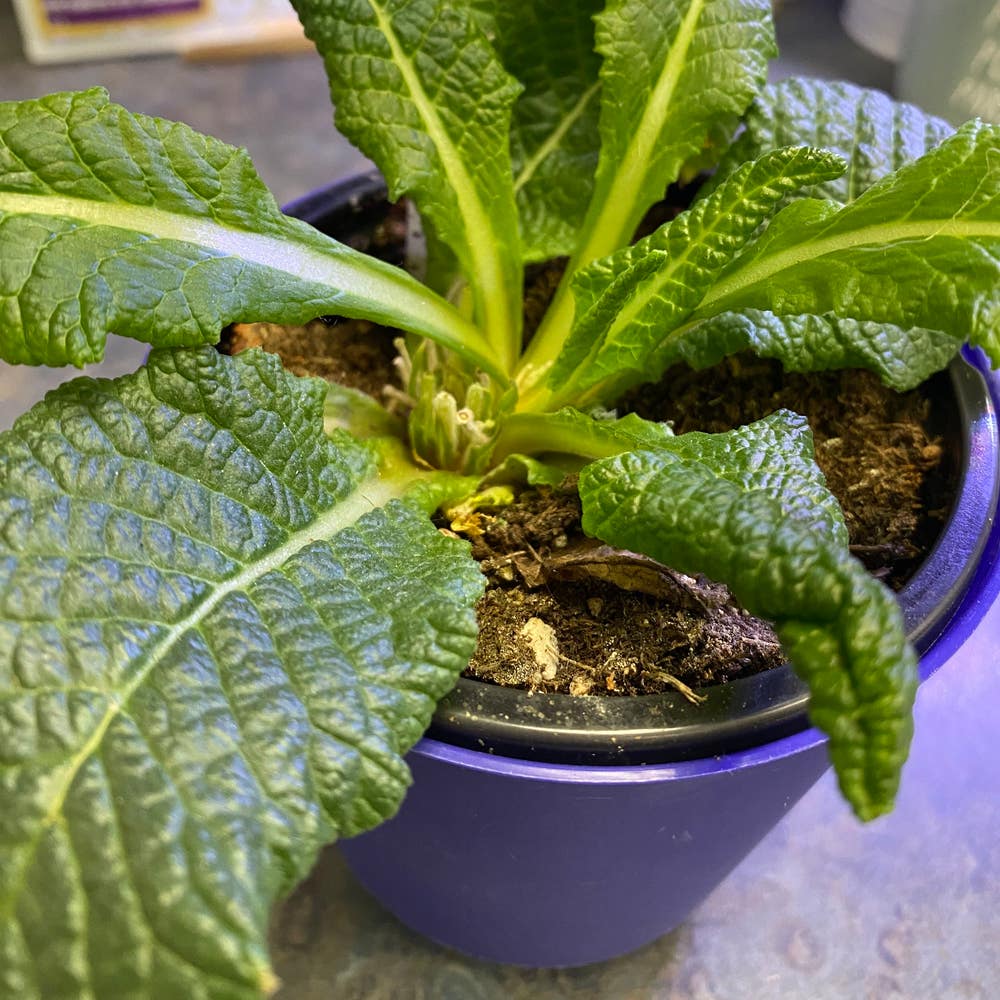
🌼 How to Get Your Yellow Primrose to Bloom
Primula lutescens
By the Greg Editorial Team
Nov 22, 2024•5 min read
This article was created with the help of AI so we can cover more plants for you. May contain errors. See one? Report it here.
- 🌼 Yellow Primrose blooms with vibrant flowers, enhancing garden beauty and appeal.
- 🌞 Provide 6-8 hours of indirect sunlight and consistent moisture for optimal blooming.
- 🌱 Deadheading spent flowers encourages more blooms and improves plant health.
Flowering Status
Clarification on Flowering Status 🌼
The Yellow Primrose is indeed a flowering plant, showcasing vibrant, bright yellow blooms that are hard to miss. This flowering characteristic is essential, as it significantly enhances the plant's ornamental appeal in gardens and landscapes.
Different cultivars of Yellow Primrose may exhibit variations in their flowering habits. Some might produce more flowers or have slight differences in color, adding to the diversity of this beautiful plant.
Understanding these flowering traits can help you appreciate the unique beauty of each cultivar and choose the right one for your garden.
As we delve deeper into the specifics of the Yellow Primrose, let's explore its stunning flower characteristics next.
Flower Characteristics
Description of Colors and Structure 🌼
The Yellow Primrose is renowned for its vibrant, bright yellow flowers, which can vary slightly among different cultivars. These flowers emerge on striking spikes that rise from the center of the plant's rosette, creating a stunning visual display.
Each flower spike can bear multiple blooms, showcasing a tubular shape with five distinct petal lobes. This unique structure not only adds to the plant's beauty but also enhances its ornamental value in gardens.
Self-Pollination vs. External Pollination 🐝
One of the fascinating aspects of the Yellow Primrose is its ability to self-pollinate. This means it can produce seeds without relying on external pollinators, ensuring its survival in various environments.
However, cross-pollination can be beneficial, as it enhances genetic diversity. This can lead to more vigorous plants, making it a great strategy for gardeners looking to cultivate robust specimens.
The combination of these characteristics makes the Yellow Primrose a resilient and attractive choice for any garden enthusiast. As we explore the blooming process next, you'll see how these flowers transition from buds to full bloom, showcasing their beauty even further.
Blooming Process
Outline of Blooming Stages and Typical Bloom Time 🌼
The blooming process of the Yellow Primrose is a fascinating journey. It begins with bud formation, where the initial development of flower buds takes place.
Next comes the opening of buds, marking the transition from bud to bloom. Finally, we reach full bloom, when the flowers are fully open and showcase their vibrant beauty. Typically, this blooming spectacle occurs in early spring and can last several weeks, adding a splash of color to your garden.
Duration from Bud Formation to Full Bloom ⏳
From the moment the buds form, it takes about 2-3 weeks for the Yellow Primrose to reach full bloom. This relatively quick transition makes it a delightful plant to watch as it transforms.
Lifespan of Flowers 🌸
Once in full bloom, the flowers have a lifespan of 2-4 weeks before they begin to wilt. This duration can vary based on environmental conditions, such as temperature and humidity, but regardless, each bloom brings joy during its time.
As you nurture your Yellow Primrose, understanding its blooming process can enhance your gardening experience. Next, let’s explore how to encourage those beautiful blooms to flourish even more!
Encouraging Blooms
🌼 Tips to Encourage Blooming
To get your Yellow Primrose blooming beautifully, start by providing adequate sunlight. Aim for 6-8 hours of indirect sunlight daily to keep those vibrant yellow flowers coming.
Next, maintain consistent moisture in the soil. Water regularly, but be careful to avoid waterlogging, which can harm the roots.
Fertilization is also key. Use a balanced fertilizer during the growing season to promote healthy growth and vibrant blooms.
🌡️ Factors Influencing Flowering
Temperature plays a significant role in the blooming process. Yellow Primrose prefers cooler temperatures, ideally between 15°C to 20°C (59°F to 68°F), which can help stimulate flowering.
Soil quality is another crucial factor. Ensure you have well-draining, fertile soil to enhance the blooming potential of your plants. Healthy soil leads to healthy blooms!
By following these tips and understanding the factors that influence flowering, you can create an environment where your Yellow Primrose thrives. This sets the stage for a stunning display of flowers in your garden.
Next, let’s explore what happens after the flowering period and how to care for your plant post-bloom.
Post-Flowering Care
🌼 What Happens After the Flowering Period
After the vibrant blooms of the Yellow Primrose fade, the plant may enter a dormant phase. During this time, the foliage remains lush and green, even though flowering has ceased.
Deadheading is crucial during this period. By removing spent flowers, you not only tidy up the plant but also encourage further blooming and enhance its overall health.
⏳ Discussion on Lifespan After Flowering
One of the great aspects of the Yellow Primrose is its longevity. It doesn’t die after flowering; instead, it can continue to thrive and produce beautiful foliage for many years.
This resilience makes it a fantastic addition to any garden, providing ongoing beauty and interest long after the flowers have come and gone.
Unique Aspects
🌼 Unusual Characteristics Related to Flowering
The Yellow Primrose is not just a seasonal beauty; its rosette of leaves remains vibrant and attractive even when the flowers are not in bloom. This feature ensures that your garden retains visual interest year-round.
Some cultivars of Yellow Primrose may surprise you with unique flowering patterns or colors. These variations can enhance the ornamental appeal, making each plant a delightful addition to any landscape.
🤔 Trivia About Reproductive Strategies
Did you know that Yellow Primrose can reproduce vegetatively through offsets? This means you can propagate new plants without waiting for flowers to appear.
Additionally, the plant's ability to self-pollinate is a remarkable survival strategy. It thrives in various environments, ensuring that it remains resilient and robust in your garden setting.
As you explore the unique aspects of Yellow Primrose, you'll discover that its charm extends beyond just its blooms. This plant's adaptability and enduring beauty make it a wonderful choice for any gardener looking to add a touch of color and life to their space.
Next, let’s dive into the post-flowering care to keep your Yellow Primrose thriving even after its blooms fade.
⚠️ Safety First
This content is for general information and may contain errors, omissions, or outdated details. It is not medical, veterinary advice, or an endorsement of therapeutic claims.
Always consult a qualified healthcare professional before using any plant as food, medicine, or supplement.
Never eat any plant (or feed one to pets) without confirming its identity with at least two trusted sources.
If you suspect poisoning, call Poison Control (800) 222-1222, the Pet Poison Helpline (800) 213-6680, or your local emergency service immediately.
Spotted an error? Please report it here.
Unlock your Yellow Primrose's blooming potential 🌼 with Greg's tailored care tips and reminders, ensuring your garden bursts with vibrant color all season long!