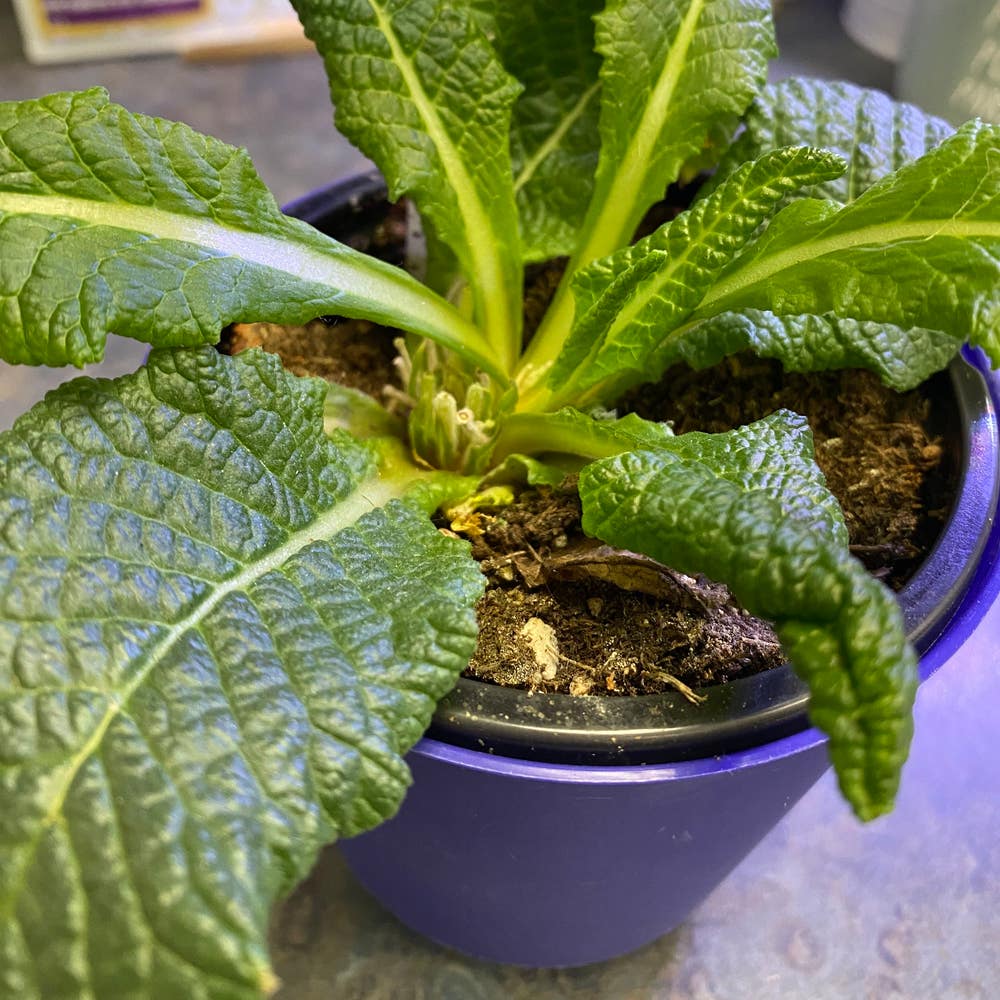
🌼 Best Tips for Healthy Yellow Primrose Roots
Primula lutescens
By the Greg Editorial Team
Nov 22, 2024•6 min read
This article was created with the help of AI so we can cover more plants for you. May contain errors. See one? Report it here.
- 🌱 Yellow Primrose has a dual root system for stability and nutrient absorption.
- 💧 Deep, infrequent watering prevents root rot while maintaining moisture levels.
- 🌼 Healthy roots are crucial for vibrant growth and flowering in Yellow Primrose.
Type of Root System
🌱 Taproot Characteristics
Yellow Primrose features a robust taproot system that delves deep into the soil. This deep root structure is essential for accessing moisture, especially in drier conditions, and it anchors the plant securely, providing stability against wind and erosion.
🌾 Fibrous Roots
In addition to the taproot, Yellow Primrose also develops fibrous roots that spread shallowly. These roots are crucial for nutrient absorption, allowing the plant to thrive in various soil conditions by efficiently gathering essential nutrients from the upper layers of the soil.
Understanding the dual nature of these root systems is key to nurturing healthy Yellow Primrose plants. With the right care, both root types can work together to support vibrant growth and resilience.
Root Depth and Spread Patterns
Understanding the root depth and spread patterns of Yellow Primrose is crucial for optimal growth. Typically, these roots can reach depths of up to 12 inches in ideal conditions, allowing the plant to access moisture deep in the soil.
🌱 Lateral Spread
In addition to depth, the lateral spread of Yellow Primrose roots can extend up to 18 inches. This wide spread is essential for efficient nutrient uptake, ensuring the plant remains healthy and vibrant.
🌦️ Seasonal Growth Variations
Growth patterns can vary with the seasons, impacting root development. During warmer months, roots tend to grow more actively, while cooler temperatures may slow their expansion.
❤️ Impact on Overall Health
Healthy root systems are vital for the overall health of the plant. By understanding these growth patterns, you can better cater to the needs of your Yellow Primrose, ensuring it thrives in your garden.
With a solid grasp of root depth and spread, you can now explore effective watering and fertilizing techniques to further enhance your plant's health.
Watering and Fertilizing Techniques
💧 Watering Needs
Maintaining the right watering frequency is crucial for Yellow Primrose roots. Since they can reach significant depths, aim to water deeply but less frequently, ensuring the soil remains consistently moist without becoming soggy.
Proper soil drainage is essential to prevent root rot. Always check that your pots have adequate drainage holes and consider using well-draining soil to keep your plants healthy.
🌱 Fertilization Techniques
For optimal root health, use balanced fertilizers with appropriate NPK ratios. A 10-10-10 or 20-20-20 fertilizer works well, providing essential nutrients to support robust growth.
Timing your fertilization is key. Apply fertilizers during the growing season, typically in spring and early summer, to give your Yellow Primrose the nutrients it needs to thrive.
When it comes to applying fertilizers, you have two main options. You can incorporate them into the soil at planting or use top-dressing techniques to feed your plants gradually as they grow.
By following these watering and fertilizing techniques, you'll set your Yellow Primrose up for success. Next, let’s explore common root-related issues that can affect these vibrant plants.
Common Root-Related Issues
🕵️ Identifying Problems
Root health is crucial for the vitality of Yellow Primrose. One of the most common issues is root rot, which manifests through wilting, yellowing leaves, and mushy roots.
Other diseases can also affect the roots, leading to stunted growth and poor flowering. Recognizing these symptoms early can save your plant from further decline.
🛠️ Solutions for Prevention
Preventing root-related issues starts with proper watering practices. To avoid overwatering, establish a consistent schedule that considers the plant's root depth and the moisture level of the soil.
Improving soil drainage is another key factor. Consider adding amendments like perlite or sand to enhance aeration and prevent waterlogging.
Regularly inspecting the roots during repotting or transplanting is essential. This practice allows you to catch any problems early and take corrective measures before they escalate.
By following these best practices, you can maintain healthy roots and ensure your Yellow Primrose thrives. Next, we’ll explore how to recognize indicators of root health to keep your plant flourishing.
Indicators of Root Health
Visual Cues 🌱
Healthy roots are a gardener's pride. Look for roots that are firm, with a white or light tan color, and a clean, minimal odor.
In contrast, unhealthy roots present a stark warning. Dark, mushy textures and foul smells signal decay, indicating that immediate action is needed.
Signs of Stress ⚠️
Keep an eye out for symptoms of stress in your Yellow Primrose. Stunted growth, leaf discoloration, and poor flowering are all red flags that something isn't right.
Timely intervention is crucial to restoring root health. Addressing these signs early can make all the difference in your plant's vitality and longevity.
By understanding these indicators, you can ensure your Yellow Primrose thrives, setting the stage for the next topic on rootbound plants.
Rootbound Plants
Definition and Causes 🌱
A rootbound plant occurs when its roots grow too large for the pot, circling around the edges and becoming cramped. This condition often arises from prolonged growth in the same container without repotting, leading to restricted root development.
Common causes of rootbound conditions in Yellow Primrose include inadequate pot size and neglecting to check for root growth during the growing season. Over time, the roots can become tightly packed, limiting their ability to absorb water and nutrients effectively.
Recognition and Solutions 🔍
Identifying a rootbound plant is crucial for its health. Look for signs such as roots growing out of drainage holes and stunted growth, which indicate that the plant is struggling for space.
To address rootbound conditions, repotting is often necessary. Choose a pot that is one size larger and gently loosen the roots before placing the plant in fresh soil. If the plant is severely rootbound, consider dividing it to promote healthier growth. This can rejuvenate the plant and encourage new root development.
By recognizing and addressing rootbound issues promptly, you can ensure your Yellow Primrose thrives and continues to flourish in your garden.
Propagation and Division
🌱 Importance of Root Health
Healthy roots are the backbone of successful propagation. They ensure that new plants can establish themselves quickly and thrive in their new environment.
Timing is crucial for effective propagation. The best conditions typically occur in spring or early summer when the plant is actively growing.
✂️ Techniques for Dividing
Dividing Yellow Primrose is a straightforward process. Follow these steps for successful division:
- Choose the Right Season: Spring or early summer is ideal for dividing.
- Gather Your Tools: You'll need a sharp spade or garden knife, gloves, and a clean potting mix.
- Prepare the Plant: Water the plant a day before division to reduce stress.
- Remove the Plant: Gently lift the plant from the soil, taking care not to damage the roots.
- Divide the Roots: Use your tools to separate the roots into sections, ensuring each has healthy roots and shoots.
- Replant: Place the divided sections into new pots with fresh potting mix, ensuring they are planted at the same depth as before.
Post-division care is essential for optimal recovery. Water the newly potted plants thoroughly and place them in a shaded area for a few days to reduce shock. Gradually introduce them to sunlight as they adjust.
By following these techniques, you can ensure that your Yellow Primrose thrives and continues to flourish in its new home. This not only enhances your garden but also gives you the satisfaction of nurturing new life.
Next, we will explore how to identify and address common root-related issues that may arise in your plants.
⚠️ Safety First
This content is for general information and may contain errors, omissions, or outdated details. It is not medical, veterinary advice, or an endorsement of therapeutic claims.
Always consult a qualified healthcare professional before using any plant as food, medicine, or supplement.
Never eat any plant (or feed one to pets) without confirming its identity with at least two trusted sources.
If you suspect poisoning, call Poison Control (800) 222-1222, the Pet Poison Helpline (800) 213-6680, or your local emergency service immediately.
Spotted an error? Please report it here.
Nurture your Yellow Primrose roots to thrive 🌱 with Greg's custom watering alerts and fertilization tips that keep your plants healthy and flourishing!