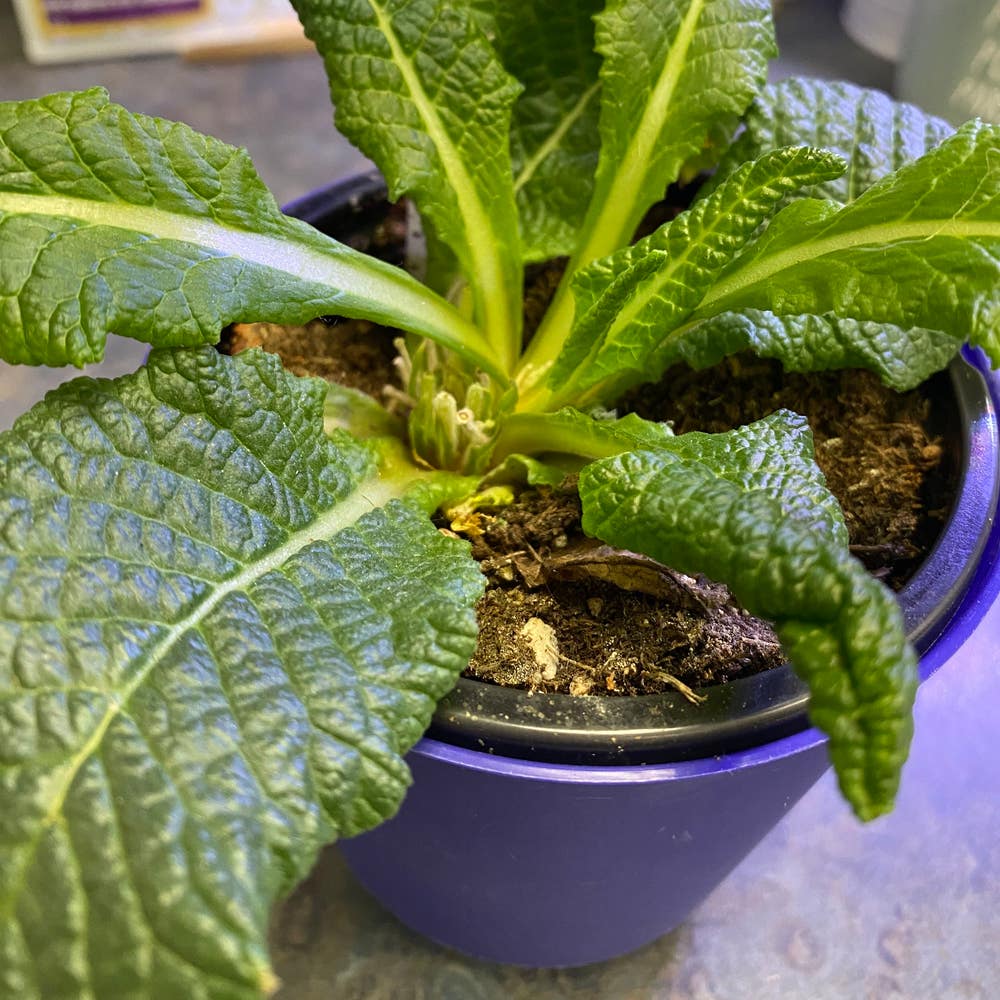
Best Tips for Droopy Leaves on Primrose 🌼
Primula lutescens
By the Greg Editorial Team
Nov 22, 2024•6 min read
This article was created with the help of AI so we can cover more plants for you. May contain errors. See one? Report it here.
- 💧 Overwatering causes droopy leaves; ensure excellent drainage to prevent this issue.
- 🌞 Bright, indirect light is essential; too much sun stresses yellow primrose.
- 🌡️ Maintain stable temperatures between 15°C to 20°C for optimal primrose health.
Causes of Droopy Leaves
💧 Overwatering and Its Effects
Overwatering is a common culprit behind droopy leaves on yellow primrose. Symptoms include wilting leaves even when the soil feels moist, yellowing foliage, and potential root rot.
To combat this, ensure your soil has excellent drainage. A recommended mix is 50% potting soil, 30% perlite, and 20% compost to prevent waterlogging.
🚰 Underwatering and Its Symptoms
On the flip side, underwatering can also lead to droopy leaves. Signs include leaves that droop and become crispy, along with soil pulling away from the edges of the pot.
To maintain healthy hydration, water your primrose when the top inch of soil feels dry. This simple practice can make a significant difference.
🌱 Soil Quality and Drainage Issues
Soil quality plays a vital role in your plant's health. Nutrient-rich soil supports robust growth and helps prevent droopiness.
Regularly assess your soil's drainage by checking for compacted areas or blocked drainage holes. This will ensure your primrose has the best environment to thrive.
☀️ Light Conditions and Their Impact
Light conditions are crucial for the health of your primrose. It prefers bright, indirect light; too much direct sunlight can cause stress and lead to droopy leaves.
If your plant is stretching towards light sources or developing pale leaves, it may not be getting enough light. Adjusting its position can help restore its vitality.
🌡️ Temperature Fluctuations and Stress
Temperature fluctuations can also stress your primrose. Ideally, it thrives in temperatures between 15°C to 20°C (59°F to 68°F).
Watch for droopy leaves during extreme heat or cold, as these conditions can negatively impact your plant's well-being. Keeping it in a stable environment will promote healthier growth.
Understanding these causes is the first step in reviving your primrose. Next, let’s explore how to diagnose the specific issues affecting your plant.
Diagnosing Droopy Leaves
🌊 Identifying Signs of Overwatering
Overwatering can be a sneaky culprit behind droopy leaves. Check for a soggy soil texture, which indicates excess moisture, and be alert for a foul smell from the soil, a telltale sign of root rot.
💧 Recognizing Signs of Underwatering
On the flip side, underwatering presents its own set of symptoms. Look for dry, brittle leaves that signal distress, and note if the soil is completely dry and hard, pulling away from the pot edges.
🐛 Checking for Pests and Diseases
Pests and diseases can also lead to droopy leaves. Inspect the leaves and stems closely for any discoloration, spots, or visible pests that could be causing harm to your primrose.
🌡️ Assessing Environmental Conditions
Lastly, evaluate the environmental conditions surrounding your plant. Consider the light exposure and temperature stability, as well as humidity levels in the growing area, to ensure your primrose is thriving in its environment.
By carefully diagnosing these factors, you can pinpoint the cause of droopy leaves and take the necessary steps to restore your primrose's health. Next, let’s explore effective solutions to revive those sad leaves!
Solutions for Droopy Leaves
🌊 Adjusting Watering Practices
Establishing a consistent watering schedule is crucial for your primrose's health. Water the plant when the top inch of soil feels dry to the touch.
Using a moisture meter can help you gauge soil moisture accurately. This simple tool ensures you avoid both overwatering and underwatering.
🕳️ Improving Soil Drainage
Enhancing soil drainage is essential for preventing droopy leaves. Consider repotting your primrose with a well-draining soil mix to promote healthy root growth.
Make sure your pots have adequate drainage holes. This prevents water from accumulating at the bottom, which can lead to root rot.
💡 Modifying Light Exposure
Adjusting light conditions can significantly impact your plant's vitality. Move your primrose to a location with bright, indirect light to help it thrive.
If direct sunlight is unavoidable, use sheer curtains to diffuse the light. This protects the leaves from stress while still allowing them to photosynthesize effectively.
🌡️ Managing Temperature and Humidity
Maintaining an optimal temperature is vital for your primrose's well-being. Avoid placing it near heat sources or drafty windows that can cause temperature fluctuations.
If your environment is dry, consider increasing humidity. You can use a humidity tray or mist the leaves regularly to create a more favorable atmosphere.
🐛 Treating Pests and Diseases
Regular pest control is necessary to keep your primrose healthy. Use insecticidal soap or neem oil to treat any infestations you might encounter.
Additionally, inspect your plant regularly and remove any affected leaves. This proactive approach helps prevent the spread of pests and diseases.
By implementing these solutions, you can revive your droopy primrose and ensure it flourishes in your care. Next, let's explore preventive measures to keep your plant healthy long-term.
Preventive Measures
Best Practices for Watering 🌊
To keep your primrose thriving, always check the soil moisture before watering. This simple step helps prevent overwatering, which can lead to droopy leaves.
Using room temperature water is also essential. Cold water can shock the roots, causing stress that may result in wilting.
Choosing the Right Soil Mix 🌱
Selecting the right soil mix is crucial for your primrose's health. A blend that promotes drainage and aeration will support robust growth and prevent root rot.
Consider a mix of 50% potting soil, 30% perlite, and 20% compost. This combination ensures your plant has the nutrients it needs while allowing excess water to escape.
Optimal Light Conditions for Growth ☀️
Positioning your primrose in a location with filtered sunlight is key. Bright, indirect light encourages healthy growth without the risk of leaf burn.
Avoid placing your plant in direct sunlight for extended periods. This can stress the plant and lead to droopy leaves.
Seasonal Care Tips to Prevent Droopiness ❄️
Adjusting your care routine according to the seasons can make a significant difference. In winter, reduce watering frequency as the plant's growth slows down.
This seasonal adjustment helps prevent overwatering, which is a common issue during colder months.
Regular Monitoring for Pests 🔍
Establishing a routine for inspecting your primrose is vital. Check weekly for signs of pests or diseases to catch any issues early.
Regular monitoring allows you to address problems before they escalate, keeping your plant healthy and vibrant.
By implementing these preventive measures, you can enjoy a flourishing primrose with minimal droopiness. Next, let’s explore effective solutions for addressing droopy leaves when they do occur.
⚠️ Safety First
This content is for general information and may contain errors, omissions, or outdated details. It is not medical, veterinary advice, or an endorsement of therapeutic claims.
Always consult a qualified healthcare professional before using any plant as food, medicine, or supplement.
Never eat any plant (or feed one to pets) without confirming its identity with at least two trusted sources.
If you suspect poisoning, call Poison Control (800) 222-1222, the Pet Poison Helpline (800) 213-6680, or your local emergency service immediately.
Spotted an error? Please report it here.
Keep your yellow primrose thriving 🌼 by using Greg's tailored watering reminders and soil care tips to prevent droopy leaves and ensure vibrant growth!