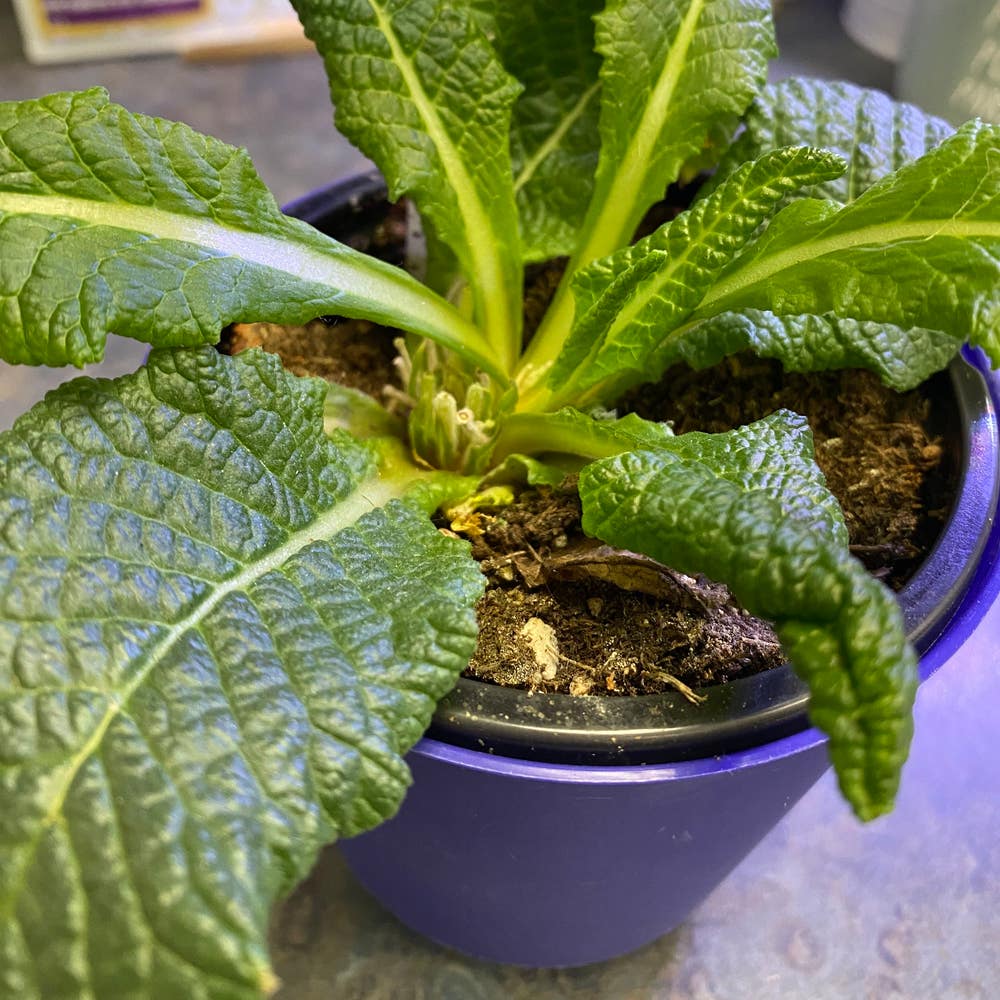
🌼 Companion Planting 101: What to Plant with Yellow Primrose
Primula lutescens
By the Greg Editorial Team
Nov 22, 2024•6 min read
This article was created with the help of AI so we can cover more plants for you. May contain errors. See one? Report it here.
- 🌱 Companion planting boosts Yellow Primrose growth by fostering beneficial plant relationships.
- 🌼 Choose plants with similar moisture needs to ensure Yellow Primrose thrives.
- 🐞 Marigolds and Nasturtiums repel pests, protecting your Yellow Primrose naturally.
Benefits of Companion Planting for Yellow Primrose
🌱 Enhanced Growth and Yield
Companion planting fosters symbiotic relationships that can significantly enhance the growth and yield of Yellow Primrose. By planting compatible species together, you can create a thriving ecosystem that supports mutual benefits, such as improved nutrient uptake and increased resilience against pests.
Additionally, companion plants can improve pest management, reducing the need for chemical pesticides. This natural approach not only protects your Yellow Primrose but also promotes a healthier garden environment.
🌼 Suitable Companion Plants
Plants with Similar Care Needs
When selecting companion plants for Yellow Primrose, it's crucial to consider their moisture and shade requirements. Both thrive in similar conditions, making it easier to create a harmonious garden.
Matching soil preferences is equally important for optimal growth. Ensuring that all plants share compatible soil types will help them flourish together.
🦠 Pest-Repellent Properties
Certain companion plants possess natural pest-repellent properties. These plants can deter harmful insects, providing an added layer of protection for your Yellow Primrose.
Incorporating pest-repellent plants not only safeguards your flowers but also contributes to a more balanced garden ecosystem.
🎨 Visual Appeal and Aesthetic Combinations
Color and texture play a vital role in garden design. Choosing companion plants that enhance the visual appeal of Yellow Primrose can create a stunning display.
By selecting plants that complement the vibrant yellow blooms, you can achieve a beautiful and cohesive garden aesthetic.
🌿 Specific Examples of Companion Plants
Lungwort
Lungwort is a shade-loving perennial known for its spotted leaves and delicate blue or pink flowers. It attracts pollinators and thrives in the same moist conditions as Yellow Primrose.
Brunnera
Brunnera features striking blue flowers and heart-shaped leaves. This plant not only complements Yellow Primrose visually but also shares similar soil moisture needs.
Hellebore
Hellebore is an early spring bloomer with unique flowers in various colors. It provides excellent ground cover and thrives in shaded environments, making it a perfect companion.
Ferns
Ferns are shade-loving plants that add texture and greenery to your garden. They help retain soil moisture and suppress weeds around Yellow Primrose, enhancing overall health.
Sweet Woodruff
Sweet Woodruff is a low-growing perennial with fragrant leaves and white flowers. It acts as a ground cover and enhances biodiversity, making it a valuable addition to your garden.
By carefully selecting companion plants, you can create a vibrant and thriving garden that supports the health and beauty of your Yellow Primrose. Next, let's explore which plants to avoid to ensure your primrose flourishes without competition.
Plants to Avoid Near Yellow Primrose
🌱 Competition for Resources
When planting Yellow Primrose, it's crucial to consider the competition for resources. These vibrant flowers thrive in moist, shaded environments, making them susceptible to competition for light, water, and nutrients from nearby plants.
Incompatible plants can also lead to potential disease transmission. This can create a challenging environment for your Yellow Primrose, hindering their growth and overall health.
🚫 Negative Companions
Certain plants are best avoided when cultivating Yellow Primrose due to their differing care requirements.
Lavender: This aromatic herb prefers drier conditions, which can lead to moisture competition with Yellow Primrose.
Sage: While flavorful, sage can inhibit the growth of Yellow Primrose due to its need for different soil moisture levels.
Thyme: This sun-loving herb thrives in well-drained soil, making it unsuitable for the moisture-loving Yellow Primrose.
By steering clear of these negative companions, you can create a more harmonious garden environment that allows your Yellow Primrose to flourish.
As you plan your garden, consider the importance of selecting compatible plants to ensure a thriving ecosystem. This sets the stage for exploring how to enhance garden diversity next.
Enhancing Garden Diversity
🌱 Importance of Garden Diversity
Diverse plantings in your garden offer numerous benefits, particularly resilience against pests and diseases. A varied ecosystem can naturally regulate pest populations, reducing the need for chemical interventions.
Moreover, a diverse garden contributes to improved soil health. Different plants interact with the soil in unique ways, enhancing nutrient availability and promoting beneficial microbial activity.
🌼 Role of Yellow Primrose
Yellow Primrose plays a vital role in attracting pollinators and beneficial insects. Its bright blooms are a beacon for bees and butterflies, which are essential for pollination in your garden.
Additionally, Yellow Primrose interacts harmoniously with other plants, fostering a thriving garden environment. By planting it alongside compatible companions, you can create a lush, vibrant space that supports a healthy ecosystem.
As you consider your garden's diversity, think about how each plant, including Yellow Primrose, contributes to the overall balance and beauty of your outdoor space. This approach not only enhances visual appeal but also nurtures a resilient garden that flourishes year after year.
Pest Management Strategies
Role of Companion Plants 🌱
Companion plants play a crucial role in natural pest management. By strategically placing certain plants near Yellow Primrose, you can create a more resilient garden that deters pests effectively.
Plant diversity is key in reducing pest populations. A varied garden not only attracts beneficial insects but also disrupts the life cycles of harmful pests, leading to a healthier ecosystem.
Specific Pest-Repellent Companions 🦠
Marigolds are a gardener's best friend when it comes to pest control. These vibrant flowers are particularly effective against nematodes and aphids, making them a perfect companion for Yellow Primrose.
Nasturtiums serve a dual purpose: they not only add a splash of color but also attract aphids away from your primrose. This diversion helps protect your prized flowers from potential damage.
Garlic is another powerhouse in the garden. Its natural repellent properties make it effective against a variety of garden pests, ensuring that your Yellow Primrose remains healthy and thriving.
By incorporating these pest-repellent companions, you can enhance the health of your garden while enjoying the beauty of diverse plant life. This approach not only protects your plants but also fosters a vibrant ecosystem that benefits all your garden's inhabitants.
As you explore companion planting, consider how these strategies can lead to a more harmonious and productive garden environment.
Visual Appeal in Companion Planting
Creating Visually Appealing Combinations 🌼
Selecting companion plants for Yellow Primrose involves considering both color and texture. Bright yellow blooms can be beautifully complemented by plants with contrasting hues, such as deep blues or purples, creating a vibrant garden palette.
Texture also plays a crucial role. Pairing the soft, delicate petals of Yellow Primrose with the bold foliage of ferns or the intricate leaves of Lungwort can add depth and interest to your garden. This thoughtful combination enhances the overall visual appeal, making your garden a feast for the eyes.
Seasonal Considerations 🌱
Planning for year-round aesthetics is essential for a thriving garden. Yellow Primrose blooms in early spring, so consider adding summer companions that will take over as the primrose fades. Plants like Brunnera, with their striking blue flowers, can fill the gap beautifully.
Rotating plants throughout the seasons ensures ongoing visual diversity. By selecting companions that bloom at different times, you can maintain a lively and colorful garden all year long. This strategy not only pleases the eye but also supports a healthy ecosystem.
As you explore the world of companion planting, remember that the right combinations can transform your garden into a stunning display of nature's beauty. With careful planning, your Yellow Primrose can shine alongside its companions, creating a harmonious and inviting space.
⚠️ Safety First
This content is for general information and may contain errors, omissions, or outdated details. It is not medical, veterinary advice, or an endorsement of therapeutic claims.
Always consult a qualified healthcare professional before using any plant as food, medicine, or supplement.
Never eat any plant (or feed one to pets) without confirming its identity with at least two trusted sources.
If you suspect poisoning, call Poison Control (800) 222-1222, the Pet Poison Helpline (800) 213-6680, or your local emergency service immediately.
Spotted an error? Please report it here.
Transform your garden into a vibrant oasis 🌼 by mastering companion planting with Greg's tailored care tips, ensuring your Yellow Primrose and its friends thrive together beautifully!