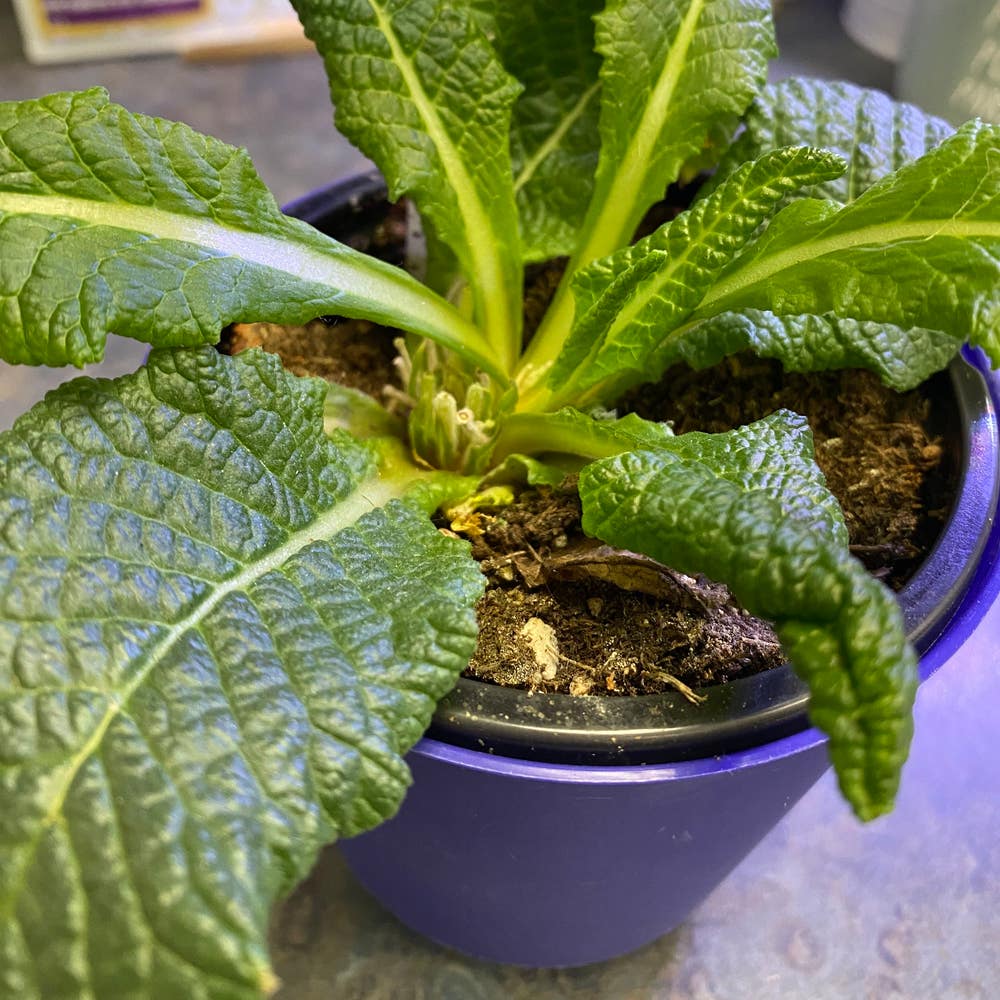
🌼 When and Where to Prune Your Yellow Primrose
Primula lutescens
By the Greg Editorial Team
Nov 22, 2024•5 min read
This article was created with the help of AI so we can cover more plants for you. May contain errors. See one? Report it here.
- ✂️ Prune yellow primrose in early spring after blooming for optimal growth.
- 🧤 Use sharp, clean tools and gloves to prevent disease and protect hands.
- 🌱 Monitor for wilting leaves and spent flowers to determine pruning needs.
Tools Needed for Pruning
When it comes to pruning your yellow primrose, having the right tools is essential for achieving the best results. Here’s a quick rundown of what you’ll need to get started.
✂️ Pruning Shears
Sharp, clean pruning shears are your best friends in this process. They allow for precise cuts that promote healthy growth and minimize damage to the plant.
🧤 Garden Gloves
Don’t forget your garden gloves! They protect your hands from thorns and dirt, ensuring you can prune comfortably without worrying about scrapes or infections.
🧼 Disinfectant
Keeping your tools clean is crucial. Use a disinfectant to wipe down your pruning shears before and after use to prevent the spread of diseases among your plants.
🌿 Rake or Garden Fork
After pruning, you’ll want to tidy up. A rake or garden fork is handy for clearing away debris, ensuring your garden remains neat and healthy.
With these tools in hand, you’re ready to dive into the pruning process. Proper preparation sets the stage for a successful pruning session, leading to vibrant and flourishing yellow primroses. Next, let’s explore the step-by-step instructions for pruning these lovely plants.
Step-by-Step Pruning Instructions
Pruning your yellow primrose can seem daunting, but with the right approach, it’s a straightforward task that can significantly enhance your plant's health and appearance.
1. Assess the Plant 🌿
Start by examining your primrose closely. Look for any dead or damaged flowers and leaves that need attention.
2. Prepare Tools 🛠️
Before you begin, ensure your pruning shears are sharp and disinfected. Clean tools help prevent disease and ensure precise cuts.
3. Cut Back Dead Flowers ✂️
Next, snip off any spent blooms. Make your cuts just above the first set of healthy leaves to encourage new growth.
4. Remove Damaged Foliage 🍂
Trim away any yellowing or wilting leaves at the base. This helps the plant focus its energy on healthier parts.
5. Shape the Plant 🎨
Lightly trim the plant to maintain its desired size and shape. Be cautious not to overdo it, as excessive cutting can stress the plant.
6. Clean Up 🧹
Finally, collect and dispose of all cuttings. This step is crucial to prevent the spread of disease and keep your garden tidy.
By following these simple steps, you’ll ensure your yellow primrose thrives and flourishes. Now that you’re equipped with pruning techniques, let’s explore the best timing for pruning to maximize your plant's growth potential.
Timing for Pruning
Best Time to Prune 🌸
Timing is everything when it comes to pruning your yellow primrose. The ideal window is early spring, right after the flowers have finished blooming. This timing encourages new growth and keeps your plant vibrant.
Late fall is another crucial time for pruning. It’s perfect for shaping your primrose or removing any dead foliage that may have accumulated over the growing season.
Signs Indicating Pruning is Needed 🔍
Knowing when to prune is just as important as knowing how. Look out for wilting or yellowing leaves, which signal that your plant may need some attention.
Spent flowers that haven’t fallen off are another clear indicator. If you notice overcrowded growth affecting air circulation, it’s time to get those shears out and give your primrose a little TLC.
Recognizing these signs will help you maintain a healthy, thriving plant. With the right timing and attention, your yellow primrose will flourish beautifully.
Next, let's dive into the step-by-step instructions for pruning your primrose effectively.
Common Pruning Mistakes
⚔️ Over-Pruning Risks
Pruning can be a double-edged sword. While it’s essential for maintaining your yellow primrose, removing too much foliage can stress the plant and lead to reduced flowering and overall vigor.
⏰ Timing Errors
Timing is everything in gardening. Pruning too late in the season can hinder blooming, while early pruning before flowering may snip off potential blooms, leaving you with fewer flowers to enjoy.
🛠️ Tools and Techniques to Avoid
Using dull or dirty tools is a common pitfall. Not only can they damage the plant, but they can also introduce diseases. Always ensure your tools are sharp and clean before you start.
Additionally, avoid tearing or ripping leaves during the pruning process. This can lead to open wounds on the plant, making it susceptible to infections and pests.
By being mindful of these common mistakes, you can ensure your yellow primrose thrives and blooms beautifully. Next, let’s explore the essential post-pruning care to help your plant recover and flourish.
Post-Pruning Care
🌱 Aftercare for Pruned Primrose
After pruning your yellow primrose, it's essential to water the plant thoroughly. This helps to aid recovery and encourages new growth.
Additionally, applying mulch around the base is a smart move. It retains moisture and suppresses weeds, creating a healthier environment for your plant.
👀 Monitoring Plant Health Post-Pruning
Keep an eye on your primrose for any signs of stress. Look out for wilting, discoloration, or pest infestations that could hinder its recovery.
Also, observe the new growth patterns and flowering response. This will give you insight into how well your plant is bouncing back after pruning.
🌼 Fertilization After Pruning
Applying a balanced fertilizer is crucial for supporting new growth. A slow-release formula works best to provide nutrients over time.
Timing is everything—fertilize immediately after pruning. This boosts recovery and enhances the potential for vibrant blooms in the upcoming season.
With proper post-pruning care, your yellow primrose will thrive and reward you with beautiful flowers. Next, let’s explore some common pruning mistakes to avoid for optimal plant health.
⚠️ Safety First
This content is for general information and may contain errors, omissions, or outdated details. It is not medical, veterinary advice, or an endorsement of therapeutic claims.
Always consult a qualified healthcare professional before using any plant as food, medicine, or supplement.
Never eat any plant (or feed one to pets) without confirming its identity with at least two trusted sources.
If you suspect poisoning, call Poison Control (800) 222-1222, the Pet Poison Helpline (800) 213-6680, or your local emergency service immediately.
Spotted an error? Please report it here.
Prune your yellow primrose for vibrant blooms 🌼 this season, and let Greg guide you with tailored care tips and reminders to ensure your plant thrives beautifully!