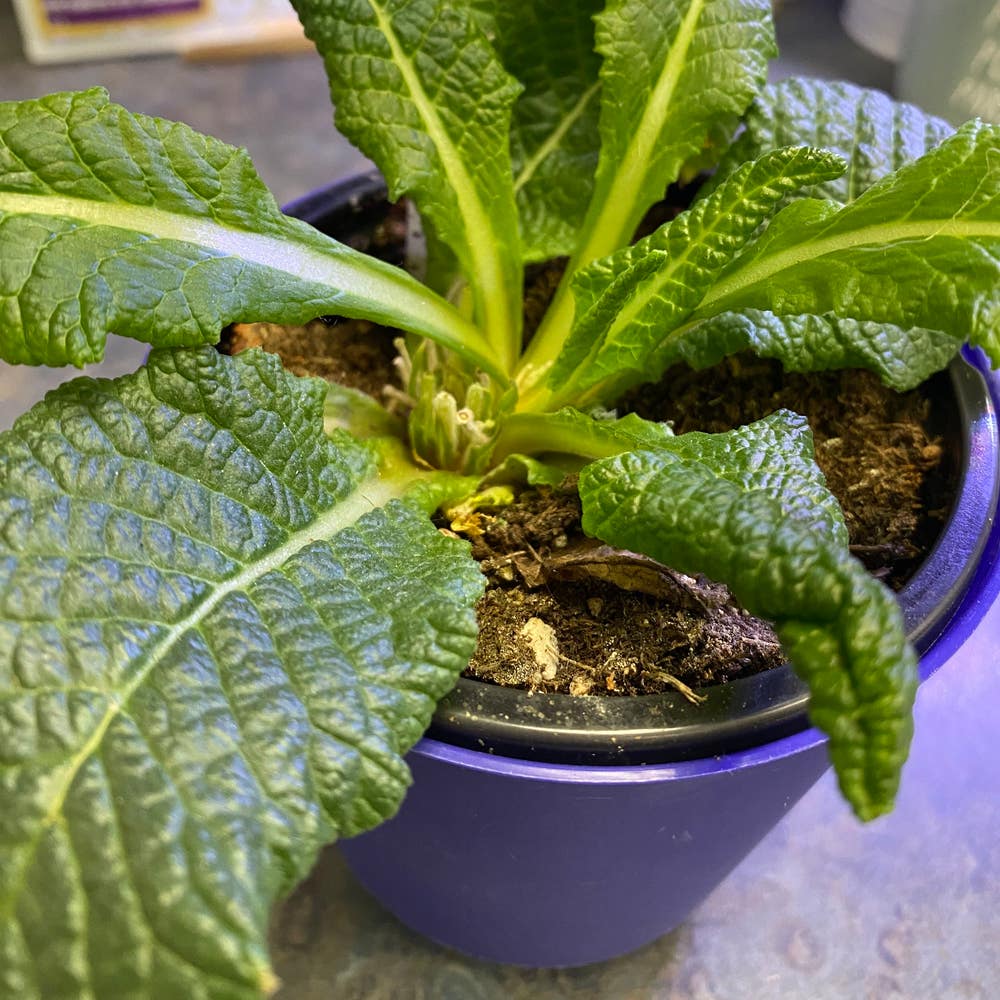
4 Tips for Healing Curling Leaves on Your Yellow Primrose 🩹
Primula lutescens
By the Greg Editorial Team
Nov 22, 2024•6 min read
This article was created with the help of AI so we can cover more plants for you. May contain errors. See one? Report it here.
- 🌡️ Maintain 15°C to 20°C for healthy yellow primroses and prevent leaf curling.
- 💧 Avoid overwatering and underwatering; use well-draining soil for optimal growth.
- 🐞 Inspect regularly for aphids; they cause leaf curl by sucking sap from leaves.
Causes of Curling Leaves
🌡️ Environmental Stress Factors
Temperature fluctuations can wreak havoc on your yellow primrose. Ideally, they thrive in a range of 15°C to 20°C (59°F to 68°F), so keep an eye on those thermometers!
Humidity levels also play a crucial role. Primroses prefer moderate humidity; dry air can lead to stress and curling leaves, so consider using a humidifier if your indoor air is too dry.
Soil moisture is another key factor. Well-draining soil is essential for healthy primrose growth. Watch for signs of overwatering, like yellowing leaves, or underwatering, which can cause dry, crispy edges.
🐜 Pests Affecting Primrose
Aphids are the most common pests that can impact your primrose's health. These tiny insects suck the sap from leaves, leading to curling and distortion.
Look for signs of pest infestation, such as sticky residue on leaves, visible insects, or distorted foliage. Regular inspections can help catch these pests early.
To prevent and control aphids, consider introducing natural predators like ladybugs. They can help keep pest populations in check without the need for harsh chemicals.
🥦 Nutrient Deficiencies
Primroses require key nutrients like nitrogen, phosphorus, and potassium to thrive. A deficiency in any of these can lead to curling leaves and stunted growth.
Symptoms of nutrient deficiencies include yellowing leaves and poor flowering. Regular soil testing is essential to assess nutrient levels and ensure your primrose gets the care it needs.
🦠 Diseases That Cause Leaf Curl
Powdery mildew is a common disease that can cause leaf curl. It thrives in humid conditions and can quickly spread if not addressed.
Fungal infections can also lead to curling leaves. Look for signs such as discoloration or unusual spots on the foliage.
To prevent these diseases, ensure good air circulation around your plants and practice proper watering techniques. Avoid overhead watering to minimize humidity on the leaves.
Understanding these causes of curling leaves is the first step in restoring your yellow primrose to its vibrant self. Next, we’ll explore how to diagnose these issues effectively.
Diagnosing Curling Leaves
Identifying Symptoms of Leaf Curl 🌿
Curling leaves on your yellow primrose can be a distressing sight. Look for visual signs such as curling edges, discoloration, and wilting, which indicate that your plant is struggling.
Timing is also crucial in diagnosing leaf curl. Seasonal variations can affect how symptoms manifest, so pay attention to changes in your plant's condition throughout the year.
Differentiating Between Pest Damage and Environmental Stress 🐛
To determine the cause of leaf curl, closely inspect your plant for pest damage. Look for indicators like visible insects or sticky residue that may suggest an infestation.
On the other hand, environmental stress signs can be more subtle. Assess the overall health of your primrose, including its growth patterns and the conditions in which it’s growing.
Assessing Soil Conditions 🌱
Soil moisture plays a vital role in your primrose's health. Use techniques like the finger test or a moisture meter to check if the soil is too dry or overly saturated.
Additionally, consider the soil composition. Well-draining soil is essential for primrose health, as it prevents root rot and ensures that your plant receives the right amount of moisture.
Understanding these diagnostic steps can help you pinpoint the issues affecting your primrose. With the right knowledge, you can take action to restore your plant's vitality and beauty.
Treating Curling Leaves
🐛 Step-by-Step Treatment for Pest Infestations
Identifying pests is the first step to saving your yellow primrose. Use a magnifying glass to closely inspect the leaves for any unwanted visitors.
Once you've spotted the pests, remove them manually. A damp cloth works wonders for wiping away aphids and other insects.
Next, apply insecticidal soap according to the label instructions. This will help eliminate any remaining pests and protect your plant.
💧 Adjusting Watering Practices
Watering practices play a crucial role in your primrose's health. Indoor primroses typically need watering once a week, while outdoor ones may require more frequent checks, especially in hot weather.
Be vigilant for signs of overwatering, such as yellowing leaves and root rot. Conversely, if you notice dry, crispy leaves and wilting, your plant may be underwatered.
🌱 Fertilization Techniques for Recovery
To boost recovery, consider using balanced NPK fertilizers specifically formulated for primroses. These fertilizers provide essential nutrients that can help your plant bounce back.
Timing is key; fertilize during the growing season for the best results. Always follow the dosage guidelines on the package to ensure safe application.
🦠 Disease Management Strategies
Identifying disease symptoms early can save your primrose from further damage. Look out for signs of powdery mildew, such as white, powdery spots on leaves.
If you encounter diseases, treatment options include fungicides and organic solutions. Additionally, improving air circulation and reducing humidity can help prevent future outbreaks.
By following these treatment strategies, you can effectively address curling leaves and promote a healthier primrose. Next, let’s explore how to prevent leaf curl from occurring in the first place.
Preventing Leaf Curl
🌱 Best Practices for Primrose Care
To keep your yellow primrose thriving, start with the right light. Aim for full sun to partial shade, providing 4 to 6 hours of sunlight daily.
Soil preparation is crucial. Ensure you use well-draining soil to prevent waterlogging, which can lead to root issues.
Regular maintenance is key to a healthy plant. Pruning and deadheading not only enhance appearance but also promote vigorous growth.
🌼 Seasonal Care Tips
Spring is the perfect time for fertilization and watering adjustments. As your primrose wakes up, give it the nutrients it needs to flourish.
During summer, keep a close eye on pests and diseases. Monitoring can help catch issues early, ensuring your plant stays healthy.
As fall approaches, prepare your primrose for dormancy. This includes reducing watering to prevent root rot during the cooler months.
🔍 Monitoring and Maintaining Optimal Growing Conditions
Regular checks on your plant's health are essential. Assess environmental factors like light, moisture, and temperature to keep your primrose in top shape.
Consider using the Greg plant care app. It can help you set reminders for watering and fertilization, making plant care a breeze.
By following these preventive measures, you can enjoy vibrant, healthy primroses while minimizing the risk of curling leaves. Next, let’s dive into diagnosing curling leaves to tackle any issues that arise effectively.
⚠️ Safety First
This content is for general information and may contain errors, omissions, or outdated details. It is not medical, veterinary advice, or an endorsement of therapeutic claims.
Always consult a qualified healthcare professional before using any plant as food, medicine, or supplement.
Never eat any plant (or feed one to pets) without confirming its identity with at least two trusted sources.
If you suspect poisoning, call Poison Control (800) 222-1222, the Pet Poison Helpline (800) 213-6680, or your local emergency service immediately.
Spotted an error? Please report it here.
Revive your yellow primrose from curling leaves to blooming beauty 🌼 by using Greg's tailored watering and fertilization reminders to keep it thriving!