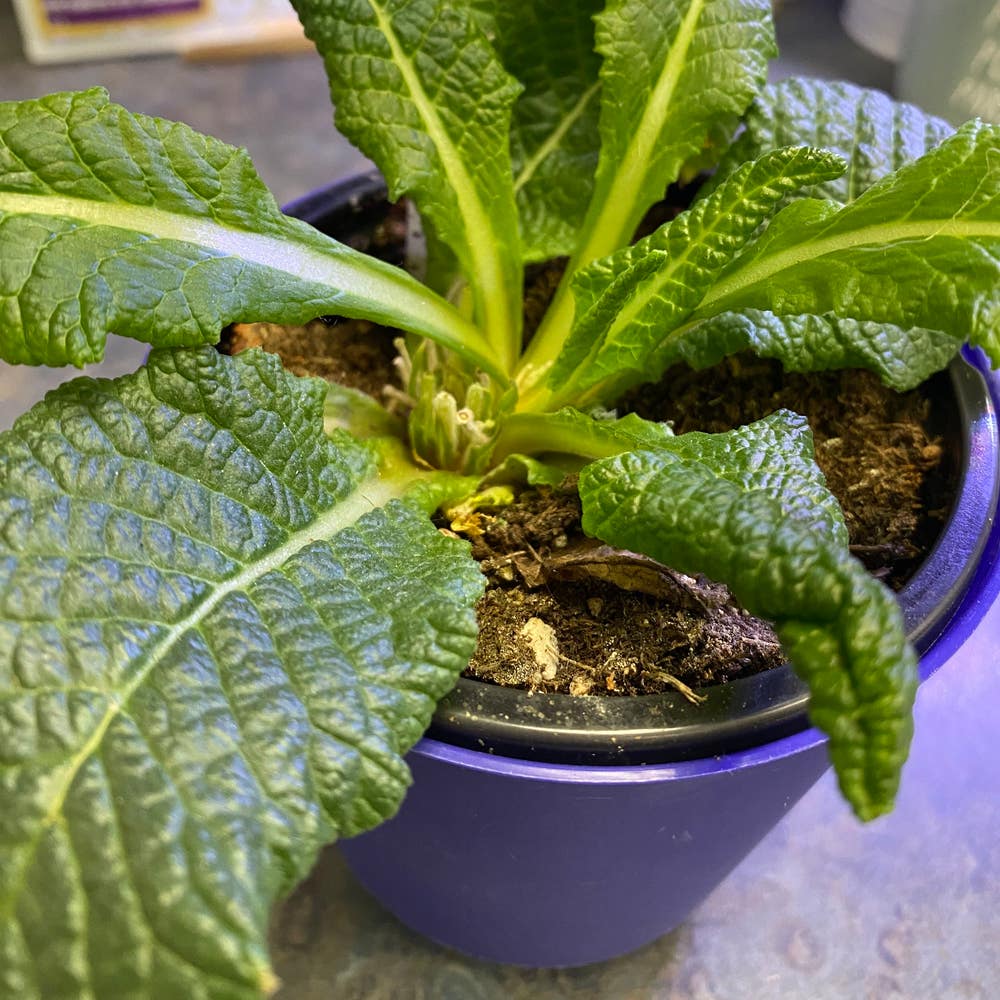
🌞 4 Steps to a Healthy Outdoor Yellow Primrose
Primula lutescens
By the Greg Editorial Team
Nov 22, 2024•6 min read
This article was created with the help of AI so we can cover more plants for you. May contain errors. See one? Report it here.
- ☀️ Yellow primrose needs 6+ hours of sunlight for optimal growth and flowering.
- 💧 Water every 2-3 days in hot climates to keep soil consistently moist.
- 🌱 Fertilize in spring and summer to prevent nutrient deficiencies and promote blooms.
Sunlight Requirements
Ideal Exposure 🌞
When it comes to sunlight, yellow primrose plants have specific needs. They thrive best in full sun, requiring at least 6 hours of direct sunlight each day for optimal growth.
However, in hotter climates, they can also flourish in partial shade. Dappled sunlight helps protect them from the harshest rays while still providing enough light for healthy development.
Effects of Insufficient Light 🌑
Insufficient light can lead to several issues for your yellow primrose. You may notice stunted growth and a significant reduction in flowering, which can be disappointing.
Moreover, plants that don’t receive enough sunlight become more susceptible to diseases. Ensuring your primrose gets the right amount of light is crucial for its overall health and vibrancy.
With the right sunlight conditions established, you can move on to understanding their watering needs to keep your yellow primrose thriving.
Watering Needs and Techniques
Frequency 🌧️
To keep your outdoor yellow primrose thriving, maintain consistently moist soil without waterlogging. In hot, dry climates, you may need to water every 2-3 days, while cooler, humid areas require less frequent watering, allowing the soil to dry slightly between sessions.
Techniques 💧
- Soaker Hose or Drip Irrigation: These methods provide deep watering, ensuring that moisture reaches the roots effectively.
- Early Morning Watering: Watering in the morning reduces evaporation and helps the plant absorb moisture before the heat of the day.
- Soil Moisture Monitoring: Use a moisture meter or simply check the top inch of soil to determine when it's time to water.
By following these watering needs and techniques, you can ensure your yellow primrose remains healthy and vibrant. Next, let's explore the soil preferences and amendments that will further support its growth.
Soil Preferences and Amendments
Composition 🌱
To thrive, yellow primrose needs well-draining, moist soil enriched with organic matter. Aim for a soil pH between 6.0 and 7.0 to create the perfect environment for growth.
Amendments 🧑🌾
Enhance your soil by adding compost or peat moss. These amendments improve moisture retention and boost nutrient content, ensuring your primrose gets the nourishment it needs.
Testing your soil pH is crucial. If the pH is too high, you can lower it by adding sulfur; conversely, lime can raise it if the pH is too low.
With the right soil conditions, your yellow primrose will flourish, setting the stage for vibrant blooms. Next, let’s explore how to keep your plants healthy with proper fertilization.
Fertilization Schedule and Types
Tips for Fertilizing Yellow Primrose 🌼
To keep your outdoor yellow primrose thriving, choose a balanced NPK fertilizer, like a 10-10-10 blend, or go for organic options such as fish emulsion. These fertilizers provide essential nutrients that support healthy growth and vibrant blooms.
When to Fertilize ⏰
Timing is crucial for effective fertilization. Apply your chosen fertilizer in early spring as new growth begins to emerge. A second application in mid-summer will help sustain blooming and ensure your primrose remains lush throughout the growing season.
Signs of Nutrient Deficiency 🚨
Keep an eye on your plants for signs of nutrient deficiency. If you notice yellowing leaves, it could indicate a nitrogen deficiency, signaling that your primrose needs more nutrients. Additionally, poor flowering may suggest a lack of phosphorus, which is vital for robust blooms.
By following these fertilization tips and monitoring for deficiencies, you can ensure your yellow primrose flourishes beautifully. Next, let’s explore how to manage pests and diseases that may threaten your plants.
Pest and Disease Management
Managing pests and diseases is crucial for the health of your outdoor yellow primrose. By staying vigilant and proactive, you can ensure your plants thrive.
🐜 Common Pests
Aphids are a common nuisance. Look for curled leaves and a sticky residue on your plants, which indicates their presence.
Slugs and snails can also wreak havoc. You’ll notice irregular holes in the leaves, signaling these slimy intruders are at work.
🛡️ Preventative Measures
To combat aphids, consider introducing natural predators like ladybugs. They are effective at keeping aphid populations in check without harming your plants.
For organic pest management, neem oil or insecticidal soap can be your best friends. These treatments are gentle on your plants but tough on pests.
🦠 Common Diseases
One of the most prevalent diseases is powdery mildew. If you see white powdery spots on your leaves, it’s time to act. Treat it with fungicides or a baking soda solution to restore your plant's health.
Root rot is another concern, often caused by overwatering. To prevent this, ensure your soil has proper drainage and monitor moisture levels closely.
By understanding these pests and diseases, you can take effective steps to protect your yellow primrose. This proactive approach will help you enjoy vibrant blooms and healthy foliage throughout the growing season.
Next, let’s explore seasonal care tips to keep your primrose thriving year-round.
Seasonal Care
Spring Tips 🌼
Spring is the perfect time to rejuvenate your yellow primrose. Start by pruning away any dead or damaged leaves to encourage fresh growth.
Next, apply a balanced fertilizer as new growth begins. This will provide the nutrients your plant needs to thrive.
Summer Practices ☀️
During the hot summer months, regular watering is essential. Ensure your primrose receives consistent moisture to prevent stress and wilting.
Additionally, practice deadheading by removing spent flowers. This simple act encourages more blooms and keeps your plant looking vibrant.
Fall Preparation 🍂
As temperatures begin to drop, it's time to prepare your primrose for winter. Apply mulch around the base to protect the roots from freezing conditions.
Also, gradually reduce watering as the weather cools. This helps your plant adjust to the changing environment.
Winter Protection ❄️
In winter, covering your primrose with frost cloths can provide extra protection during extreme cold spells. This simple step can make a significant difference in your plant's survival.
Finally, avoid overwatering during this season. Keeping the soil dry helps prevent root rot, ensuring your primrose stays healthy until spring returns.
With these seasonal care tips, your yellow primrose will flourish throughout the year. Next, let’s explore climate zone considerations to ensure your plant thrives in its specific environment.
Climate Zone Considerations
🌍 Suitable Zones
When it comes to growing outdoor yellow primrose, the ideal USDA zones are 4-8. These zones offer moderate temperatures that are perfect for the plant's growth and flowering.
❄️ Special Considerations
In cooler climates, it's essential to focus on frost protection and moisture retention. This ensures that your primrose thrives even when temperatures drop.
Conversely, in hot climates, providing shade and consistent watering is crucial. This helps prevent stress on the plant, allowing it to flourish despite the heat.
Understanding these climate considerations will set you up for success in cultivating healthy outdoor yellow primrose. With the right conditions, your garden can be a vibrant display of these beautiful flowers.
⚠️ Safety First
This content is for general information and may contain errors, omissions, or outdated details. It is not medical, veterinary advice, or an endorsement of therapeutic claims.
Always consult a qualified healthcare professional before using any plant as food, medicine, or supplement.
Never eat any plant (or feed one to pets) without confirming its identity with at least two trusted sources.
If you suspect poisoning, call Poison Control (800) 222-1222, the Pet Poison Helpline (800) 213-6680, or your local emergency service immediately.
Spotted an error? Please report it here.
Transform your garden into a blooming paradise 🌼 by following these tips for yellow primrose care, and let Greg guide you with tailored watering reminders and sunlight tips for ultimate success!