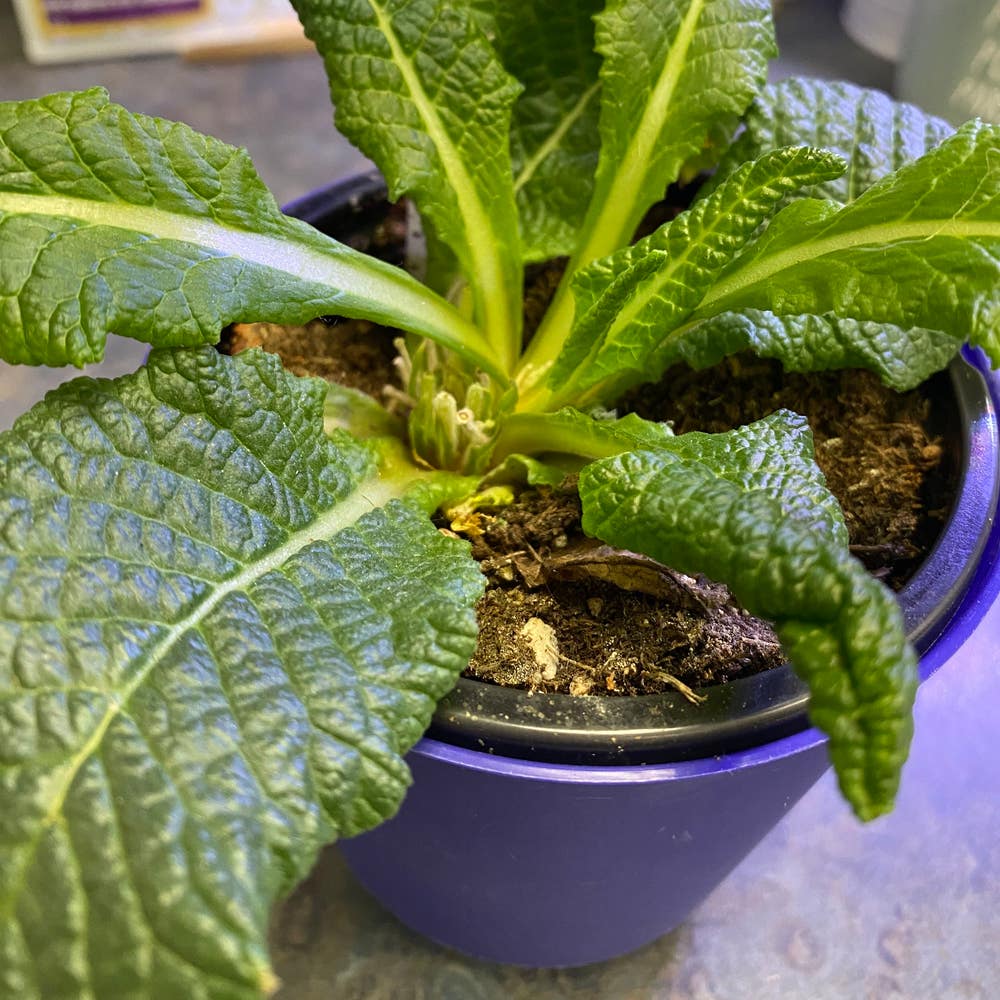
Yellow Primrose: Not an Invasive Plant 🌼
Primula lutescens
By the Greg Editorial Team
Nov 22, 2024•6 min read
This article was created with the help of AI so we can cover more plants for you. May contain errors. See one? Report it here.
- 🌼 Yellow Primrose is non-invasive, making it a safe and beneficial garden choice.
- 🐝 Supports pollinators with early spring blooms, enhancing garden biodiversity.
- 🌱 Self-seeding growth allows for controlled expansion without overwhelming other plants.
Plant Classification
Definition of Invasive Species 🌱
Invasive species are plants or animals that thrive in new environments, often leading to negative consequences for local ecosystems. They typically exhibit rapid growth and spread, outcompeting native flora and disrupting the balance of their new habitats.
Key characteristics of invasive species include:
- Rapid Growth and Spread: They can quickly dominate an area, making it hard for native species to survive.
- Outcompeting Native Flora: Invasive plants often grow faster and reproduce more effectively than local plants, leading to a decline in biodiversity.
- Disruption of Local Ecosystems: Their presence can alter soil chemistry, water availability, and habitat structures, affecting all forms of life.
Characteristics of Yellow Primrose that Prevent It from Being Invasive 🌼
Yellow Primrose stands out as a non-invasive plant due to its unique growth behavior and ecological compatibility.
Growth Behavior: This plant forms clumps and primarily spreads through self-seeding, which allows it to maintain a controlled presence in gardens.
Non-Aggressive Nature: Yellow Primrose coexists harmoniously with other plants, rarely outcompeting them for resources. This characteristic makes it a great addition to diverse garden settings.
Limited Spread Potential: Its growth is naturally restricted by environmental factors, ensuring it doesn't overwhelm its surroundings. This adaptability allows it to thrive without becoming a nuisance.
Understanding these traits helps gardeners appreciate Yellow Primrose not just for its beauty, but also for its role in maintaining ecological balance. As we explore its growth habits next, we’ll see how these characteristics play out in real garden scenarios.
Growth Habits
🌼 Typical Growth Patterns in Gardens
Yellow Primrose exhibits a charming clumping habit, showcasing bright yellow flowers that bloom in early spring. This vibrant display not only adds color to your garden but also signals the arrival of warmer days.
🌱 Soil Preferences
This plant thrives in moist, well-drained conditions, making it versatile across various soil types. Whether your garden has sandy, clay, or loamy soil, Yellow Primrose adapts well, ensuring it remains a reliable choice for gardeners.
🌿 Natural Limits to Growth and Spread Potential
One of the key features of Yellow Primrose is its self-seeding behavior. It spreads gently without overwhelming its surroundings, allowing it to coexist harmoniously with other plants.
☀️ Environmental Factors
Climate and soil conditions play a significant role in the growth of Yellow Primrose. While it flourishes in optimal environments, it naturally limits its spread in less favorable conditions, maintaining balance in your garden ecosystem.
Incorporating Yellow Primrose into your garden not only enhances its beauty but also supports a healthy environment. Next, we will explore the ecological role of this delightful plant and its benefits to local wildlife.
Ecological Role
Benefits in Ecosystems 🌼
Yellow Primrose plays a vital role in supporting local ecosystems. Its early spring blooms are a beacon for pollinators like bees and butterflies, providing essential nectar when few other flowers are available.
This plant also contributes to biodiversity. By attracting various insects, it helps sustain local wildlife and enriches plant communities, creating a more balanced ecosystem.
Positive Interactions with Local Wildlife 🐝
The relationship between Yellow Primrose and pollinators is mutually beneficial. As a food source, it nourishes these creatures, which in turn assist in the plant's reproduction through pollination.
Additionally, Yellow Primrose excels in companion planting. Its presence can enhance the growth of neighboring plants, fostering a thriving garden environment that supports a variety of species.
Incorporating Yellow Primrose into your garden not only beautifies the space but also promotes ecological health. As we explore garden management strategies next, consider how this plant can fit into your design while supporting local ecosystems.
Garden Management
Incorporating into Garden Designs 🌼
When planning your garden, consider placing Yellow Primrose in sunny spots where its bright yellow flowers can truly shine. These cheerful blooms work beautifully in garden beds and borders, adding a splash of color that can lift the mood of any outdoor space.
The clumping habit of Yellow Primrose makes it an excellent choice for creating visual interest. Grouping these plants together can create a stunning focal point, especially when they bloom in early spring, signaling the arrival of warmer weather.
Methods for Controlling Growth ✂️
To maintain a healthy garden, it's essential to manage the growth of Yellow Primrose. Thinning clumps is a straightforward technique that helps control plant density while ensuring each plant has enough space to thrive.
Additionally, managing self-seeding is crucial to prevent unwanted spread. Regularly deadheading spent flowers can help keep the plant's growth in check while still allowing you to enjoy its benefits in your garden.
Incorporating Yellow Primrose into your garden not only enhances its beauty but also supports local ecosystems. With thoughtful management, you can enjoy this delightful plant while keeping your garden flourishing.
Comparison to Other Plants
🌼 Similar Non-Invasive Plants
When considering non-invasive perennial flowers, several options stand out alongside Yellow Primrose. Native plants like Black-eyed Susans and Coneflowers are excellent choices, offering vibrant colors and attracting pollinators.
What sets Yellow Primrose apart is its unique clumping growth habit and early spring blooms. While many non-invasive plants may take longer to establish, Yellow Primrose quickly fills spaces, providing immediate visual interest.
🌟 Unique Qualities in Garden Settings
One of the most striking features of Yellow Primrose is its bright yellow flowers that bloom early in the season. This splash of color not only brightens up gardens but also signals the arrival of spring.
Additionally, Yellow Primrose thrives alongside other plants without overshadowing them. Its non-aggressive nature allows it to coexist harmoniously, enhancing the overall beauty and biodiversity of garden settings.
Incorporating Yellow Primrose into your garden can create a lively and inviting atmosphere, making it a fantastic choice for both novice and experienced gardeners. As we explore its ecological role next, you'll see how it contributes to the health of local ecosystems.
Legal and Environmental Considerations
Relevant Classifications and Guidelines 🌱
When considering planting Yellow Primrose, it's essential to be aware of local regulations. Some regions may have specific guidelines regarding the introduction of non-native plants, even if they are not classified as invasive.
Sourcing your Yellow Primrose from reputable nurseries is crucial. This ensures that you are getting non-invasive varieties that won't disrupt local ecosystems.
Role in Sustainable Gardening Practices 🌍
Incorporating Yellow Primrose into your garden contributes to sustainable gardening practices. By choosing native and non-invasive plants, you help maintain ecological balance and support local wildlife.
Responsible planting choices encourage biodiversity. This not only enhances the beauty of your garden but also fosters a thriving environment for various species, creating a harmonious ecosystem.
As you plan your garden, remember that every plant choice matters. Embracing non-invasive options like Yellow Primrose can lead to a more vibrant and sustainable landscape.
With these considerations in mind, let's explore how to effectively incorporate Yellow Primrose into your garden designs.
⚠️ Safety First
This content is for general information and may contain errors, omissions, or outdated details. It is not medical, veterinary advice, or an endorsement of therapeutic claims.
Always consult a qualified healthcare professional before using any plant as food, medicine, or supplement.
Never eat any plant (or feed one to pets) without confirming its identity with at least two trusted sources.
If you suspect poisoning, call Poison Control (800) 222-1222, the Pet Poison Helpline (800) 213-6680, or your local emergency service immediately.
Spotted an error? Please report it here.
Celebrate the charm of Yellow Primrose, a non-invasive beauty that brightens your garden 🌼, and let Greg provide tailored care tips to help your plants flourish together!