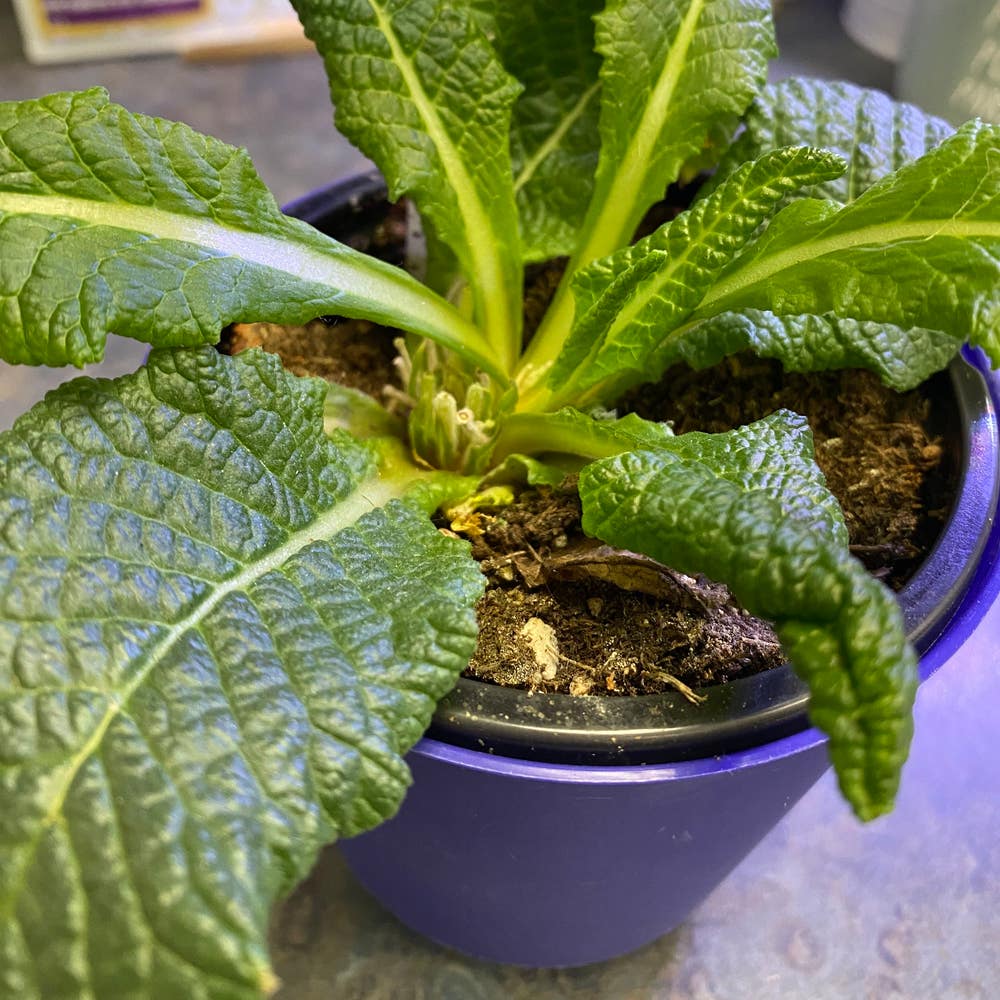
Best Practices for Repotting Yellow Primrose 🌼
Primula lutescens
By the Greg Editorial Team
Nov 22, 2024•6 min read
This article was created with the help of AI so we can cover more plants for you. May contain errors. See one? Report it here.
- 🌱 Repot yellow primrose when roots grow out of drainage holes for better health.
- 🌼 Early spring is ideal for repotting to boost growth and blooming potential.
- 🧪 Yellow leaves indicate nutrient deficiencies; repotting can restore soil health.
Signs That Yellow Primrose Needs Repotting
🌱 Identifying Root Bound Primrose
Recognizing when your yellow primrose is root bound is crucial for its health. Look for roots growing out of the drainage holes; this is a clear sign that the plant has outgrown its pot.
Additionally, if you notice stunted growth or wilting despite regular watering, it may be time to repot. Another symptom is soil that dries out too quickly after watering, indicating that the roots are taking up all the available space.
🔍 Other Indicators
Keep an eye on the leaves of your primrose. Yellowing leaves can signal a nutrient deficiency, often due to limited soil space.
Moreover, if your plant is experiencing reduced blooming or smaller flowers, it might be craving more room to thrive. These indicators are essential for ensuring your yellow primrose remains vibrant and healthy.
By being attentive to these signs, you can provide the care your primrose needs to flourish. Next, let’s explore the ideal timing for repotting your yellow primrose to maximize its growth potential.
Ideal Timing for Repotting Yellow Primrose
🌱 Seasonal Considerations
The ideal time to repot your yellow primrose is early spring, just before the growing season kicks off. This timing allows the plant to settle into its new home and thrive as it begins to grow.
Avoid repotting during the flowering period. Doing so can stress the plant, leading to reduced bloom quality and a less vibrant display.
⏰ Frequency of Repotting
As a general guideline, repot your yellow primrose every 1-2 years. However, keep an eye out for signs of root binding, as these can indicate it's time for a new pot sooner than expected.
By following these timing tips, you can ensure your yellow primrose remains healthy and vibrant. Next, let’s explore the step-by-step process for repotting this lovely plant.
Step-by-Step Guide to Repotting Yellow Primrose
Repotting your yellow primrose can seem daunting, but with the right approach, it can be a rewarding experience. Follow this step-by-step guide to ensure your plant thrives in its new home.
1. Gather Materials 🌱
Start by collecting the necessary materials:
- A new pot that is 1-2 inches larger in diameter.
- Fresh potting soil suitable for primrose.
- Essential tools: trowel, gloves, and a watering can.
2. Prepare the New Pot 🪴
Before you begin, ensure your new pot has drainage holes. This is crucial for preventing water buildup. Add a layer of potting soil to the bottom to create a solid base for your primrose.
3. Remove the Primrose from Its Current Pot 🌼
Gently squeeze the sides of the current pot to loosen the soil. Carefully slide the plant out, supporting the base to avoid damaging the roots.
4. Inspect the Roots 🔍
Once removed, take a moment to inspect the roots. Trim any damaged or excessively long roots using sterilized scissors to promote healthy growth.
5. Place the Primrose in the New Pot 🌿
Position the primrose in the new pot at the same depth as it was previously. Fill in around the roots with fresh potting soil, ensuring there are no air pockets that could hinder growth.
6. Water Thoroughly 💧
Finally, water your primrose thoroughly. Ensure the water drains from the bottom, which helps to evenly moisten the soil and settle the plant in its new environment.
Repotting your yellow primrose not only gives it more space to grow but also rejuvenates its health. With these steps, you’ll set your plant up for success, leading to vibrant blooms and lush foliage. Next, let’s explore the best pot material options to enhance your primrose's living conditions.
Pot Material Options for Yellow Primrose
Best Pot Materials for Primrose 🌱
Choosing the right pot material is crucial for the health of your yellow primrose.
Ceramic Pots
Ceramic pots are a popular choice due to their attractive appearance and excellent insulation for roots. However, they can be heavy and may retain moisture, which could lead to overwatering issues.
Plastic Pots
Plastic pots are lightweight and affordable, making them a practical option for many gardeners. They offer good drainage options but may not be as visually appealing and can heat up quickly in direct sunlight.
Terracotta Pots
Terracotta pots excel in drainage and are made from breathable material, allowing for better air circulation around the roots. On the downside, they can dry out quickly, necessitating more frequent watering to keep your primrose healthy.
Pot Materials to Avoid 🚫
While selecting the right pot is essential, avoiding certain materials is equally important.
Metal Pots
Metal pots can overheat in the sun, potentially damaging the roots of your primrose. This can lead to stress and hinder growth.
Non-Breathable Materials
Avoid pots made from glass or solid plastic without drainage holes. These materials restrict airflow and can trap moisture, creating an unhealthy environment for your plant.
In summary, selecting the right pot material can significantly impact the growth and health of your yellow primrose. With the right choice, you'll set your plant up for success as it thrives in its new home.
Next, let's explore the ideal soil and drainage options to ensure your primrose flourishes.
Soil and Drainage for Yellow Primrose
Recommended Potting Soil for Yellow Primrose 🌱
Choosing the right potting soil is crucial for your yellow primrose's health. Opt for a well-draining, moisture-retentive mix, such as a peat-based soil combined with perlite.
pH Level Considerations ⚖️
The ideal pH level for yellow primrose is slightly acidic to neutral, ranging from 6.0 to 7.0. This balance helps ensure that your plant can absorb essential nutrients effectively.
Importance of Drainage in Repotting 🚰
Proper drainage is vital when repotting yellow primrose. It prevents root rot, which can devastate your plant, and allows for adequate aeration, supporting overall plant health.
How to Ensure Proper Drainage in Pots 🏺
To maintain excellent drainage, use pots with sufficient drainage holes. Additionally, consider adding a layer of gravel or coarse material at the bottom of the pot before filling it with soil.
Final Thoughts on Soil and Drainage 💭
By selecting the right soil and ensuring proper drainage, you set your yellow primrose up for success. With these practices in place, your plant will thrive and bloom beautifully, ready for the next steps in its care.
⚠️ Safety First
This content is for general information and may contain errors, omissions, or outdated details. It is not medical, veterinary advice, or an endorsement of therapeutic claims.
Always consult a qualified healthcare professional before using any plant as food, medicine, or supplement.
Never eat any plant (or feed one to pets) without confirming its identity with at least two trusted sources.
If you suspect poisoning, call Poison Control (800) 222-1222, the Pet Poison Helpline (800) 213-6680, or your local emergency service immediately.
Spotted an error? Please report it here.
Keep your yellow primrose thriving 🌼 by using Greg's tailored reminders and expert tips to ensure perfect repotting and vibrant blooms every season!