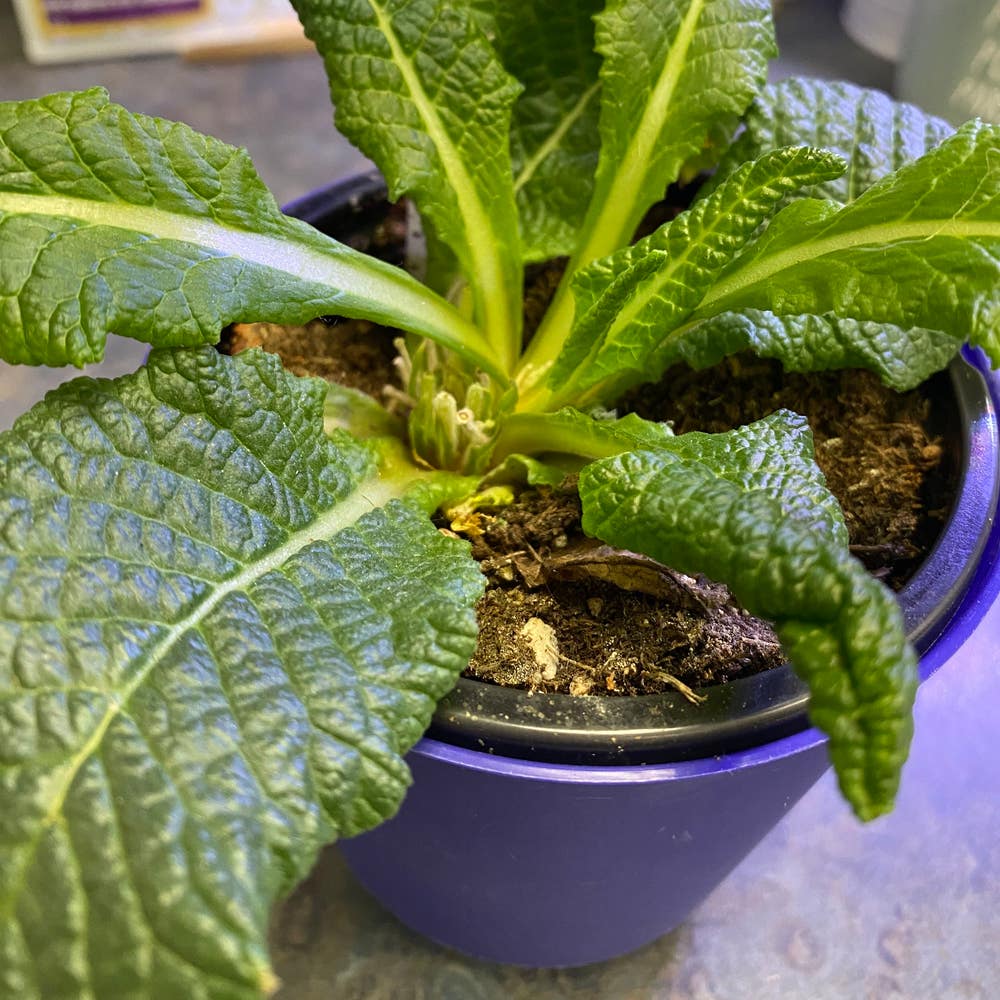
Best Soil for Your Yellow Primrose 🌻
Primula lutescens
By the Greg Editorial Team
Nov 22, 2024•5 min read
This article was created with the help of AI so we can cover more plants for you. May contain errors. See one? Report it here.
- 🌱 Healthy soil is vital for vibrant yellow primrose growth and blooming.
- 🧪 Optimal soil pH for yellow primroses is between 6.0 and 7.0.
- 🌿 Combat moldy soil by reducing watering and improving air circulation.
Identifying Unhealthy Soil
Healthy soil is the foundation for vibrant yellow primroses. However, recognizing unhealthy soil is crucial for maintaining their beauty and growth.
🚩 Signs of Unhealthy Soil
Moldy Soil
Moldy soil often presents as a white or gray film on the surface. This condition typically arises from overwatering and poor air circulation, creating an environment ripe for mold growth.
Compacted Soil
Compacted soil feels hard and dense, making it difficult for water to penetrate. This condition limits root growth and nutrient absorption, ultimately stunting your primrose's development.
🛠️ Solutions for Moldy or Compacted Soil
To combat moldy soil, reduce watering and enhance air circulation around your plants. Additionally, removing the affected soil can help restore a healthy environment.
For compacted soil, aerate it using a garden fork or tiller to improve drainage. Incorporating organic matter can also enrich the soil, promoting better root growth and nutrient uptake.
By addressing these issues promptly, you can ensure your yellow primrose thrives in a healthy soil environment. Next, let’s explore the recommended soil pH levels for optimal growth.
Recommended Soil pH Levels
Maintaining the right soil pH is crucial for the health of your yellow primrose. The optimal pH range for healthy growth is between 6.0 and 7.0.
🌱 Why pH Matters
Soil pH affects nutrient availability and overall plant health. If the pH is too low or too high, your primrose may struggle to absorb essential nutrients.
🔬 Testing Soil pH
To ensure your soil is within the ideal range, testing is key. You can use a soil pH meter or a test kit for accurate readings.
⚖️ Adjusting Soil pH
If your soil pH is outside the recommended range, adjustments can be made. Use sulfur to lower the pH or lime to raise it, helping your yellow primrose thrive.
Understanding and managing soil pH is a vital step in nurturing your plants. With the right pH, your yellow primrose will flourish, setting the stage for the next steps in soil preparation.
Creating a Homemade Soil Mix
🌱 Ingredients for an Ideal Homemade Soil Mix
Creating the perfect soil mix for your yellow primrose starts with the right ingredients. Use equal parts of peat moss, perlite, and compost as your base.
For those looking to enhance moisture retention, consider adding a small amount of vermiculite. This optional ingredient can help keep your soil consistently moist, which is crucial for healthy primrose growth.
🛠️ Step-by-Step Guide to Mixing Soil for Yellow Primrose
Mixing your homemade soil is straightforward and rewarding. Follow these easy steps to get started:
- Gather materials: Collect peat moss, perlite, compost, and optional vermiculite.
- Mix in a large container: In a spacious container, combine equal parts of each ingredient thoroughly.
- Adjust texture: If your mix feels too dense, add more perlite for better drainage. Conversely, if it seems too dry, incorporate additional peat moss for moisture retention.
With your homemade soil mix ready, your yellow primrose will have a nurturing environment to thrive. Next, let’s explore the essential soil amendments and nutrients that will further support their growth.
Soil Amendments and Nutrients
Recommended Soil Amendments for Yellow Primrose 🌱
To ensure your yellow primrose thrives, consider enriching the soil with organic fertilizers. Well-rotted manure or compost can significantly boost nutrient levels, providing the essential elements your plants crave.
In addition to organic matter, pH adjusters play a crucial role in maintaining soil health. If your soil is too acidic, adding sulfur can help lower the pH, while lime can raise it when necessary.
Importance of Nutrients for Healthy Growth 💪
Understanding the key nutrients is vital for your yellow primrose's overall health. Nitrogen, phosphorus, and potassium are the big three, supporting everything from leaf growth to flowering.
Don't overlook micronutrients either! Elements like iron and magnesium are essential for vibrant blooms and robust plant development. Ensuring a balanced nutrient profile will keep your primrose looking its best.
With the right amendments and nutrients, your yellow primrose will flourish. Next, let’s explore how seasonal changes affect soil care and what you can do to prepare your plants for each season.
Seasonal Soil Considerations
🌱 Adjusting Soil Care with Seasonal Changes
Spring is the perfect time to prepare your soil for planting. Start by testing and amending the soil to ensure it’s in optimal condition for your yellow primrose.
During summer, keep a close eye on moisture levels. Adjust your watering routine as needed to prevent both drought stress and overwatering.
❄️ Preparing Soil for Winter Dormancy
As fall approaches, enrich your soil with organic matter. This not only boosts nutrient levels but also helps your soil retain moisture during the colder months.
Don’t forget to apply a layer of mulch. This protective barrier maintains soil structure and insulates roots, ensuring your primrose is ready to thrive come spring.
With these seasonal adjustments, your yellow primrose will be well-equipped to flourish throughout the year. Next, let’s explore the recommended soil amendments and nutrients that will further enhance its growth.
⚠️ Safety First
This content is for general information and may contain errors, omissions, or outdated details. It is not medical, veterinary advice, or an endorsement of therapeutic claims.
Always consult a qualified healthcare professional before using any plant as food, medicine, or supplement.
Never eat any plant (or feed one to pets) without confirming its identity with at least two trusted sources.
If you suspect poisoning, call Poison Control (800) 222-1222, the Pet Poison Helpline (800) 213-6680, or your local emergency service immediately.
Spotted an error? Please report it here.
Keep your yellow primrose blooming brilliantly 🌼 by using Greg's personalized tips and reminders for maintaining healthy soil throughout the seasons!