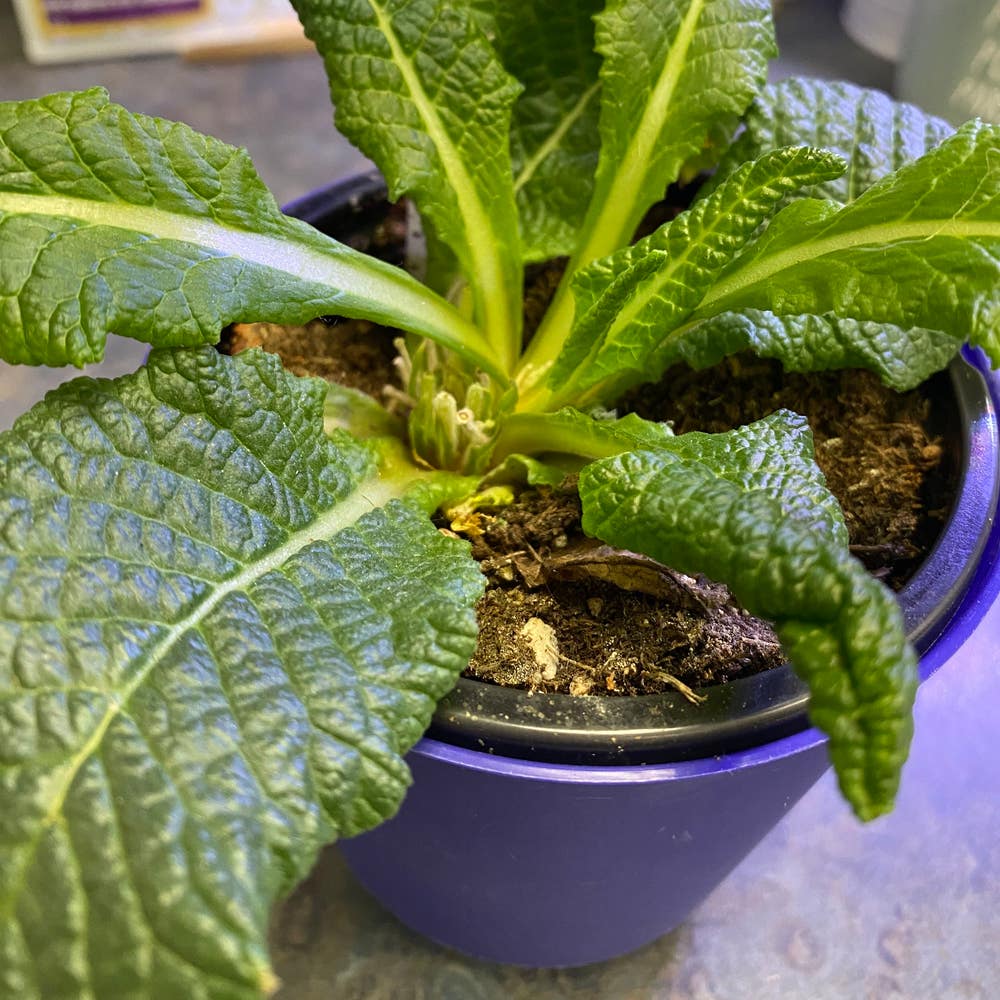
🌼 Best Practices for Planting Yellow Primrose
Primula lutescens
By the Greg Editorial Team
Nov 22, 2024•6 min read
This article was created with the help of AI so we can cover more plants for you. May contain errors. See one? Report it here.
- 🌼 Planting new yellow primrose offers healthier, disease-free varieties for your garden.
- 🌱 Transplant established primrose for immediate blooms, but watch for transplant shock.
- 🌞 Best planting times are early spring or fall; ensure well-draining, moisture-retaining soil.
New vs. Transplanting Established Plants
🌼 Benefits of Planting New Yellow Primrose
Planting new yellow primrose offers a wider selection of varieties, allowing you to choose the perfect fit for your garden. You also have the opportunity to select healthy, disease-free plants, which can lead to a more vibrant garden.
Additionally, new plants establish more easily in prepared soil, giving them a better chance to thrive. This fresh start can set the stage for a flourishing display of blooms.
⚠️ Drawbacks of Planting New Yellow Primrose
However, there are some drawbacks to consider. New yellow primrose plants typically take longer to mature and flower, which can test your patience.
Moreover, the initial cost of purchasing new plants can add up, especially if you're looking to create a larger display. Weighing these factors is essential before making your decision.
🌱 Benefits of Transplanting Established Yellow Primrose
On the flip side, transplanting established yellow primrose can yield immediate blooms, especially if done during the flowering season. Their established root systems may adapt quickly to new conditions, giving you a head start in your gardening efforts.
This can be particularly rewarding if you're looking to enhance your garden's aesthetics right away.
😬 Drawbacks of Transplanting Established Yellow Primrose
Yet, transplanting comes with its own set of challenges. There's a risk of transplant shock, which can affect growth and overall health.
Additionally, the process of removing the plant can potentially damage its root system, leading to further complications. Understanding these risks will help you make an informed choice about your planting strategy.
As you consider your options, think about what aligns best with your gardening goals and the specific conditions of your space. This will set the stage for the next steps in successfully planting yellow primrose.
Key Steps for Planting New Yellow Primrose
🌱 Optimal Timing for Planting
The best time to plant new yellow primrose is during early spring or fall. Be sure to consider your local climate and frost dates to ensure optimal growth.
🪴 Selecting the Right Soil Mix and Containers
For a thriving yellow primrose, use a well-draining soil mix that retains moisture and includes organic matter. If you're container gardening, choose pots with drainage holes that are at least 6-8 inches deep.
📏 Proper Depth and Spacing for Planting
When planting, aim for a depth of 1-2 inches, ensuring that the roots are covered but the crown remains exposed. Space yellow primrose plants 12-18 inches apart to allow for adequate air circulation and growth.
☀️ Maintaining Ideal Growing Conditions
Keep the soil consistently moist but avoid waterlogging, as this can harm the plants. Yellow primrose thrives in full sun to partial shade, ideally receiving 4-6 hours of sunlight daily.
🌳 Hardening Off Process Before Outdoor Planting
- Gradually expose your plants to outdoor conditions over a period of 7-10 days.
- Start with 1-2 hours of outdoor time, increasing this daily to acclimate them.
- Monitor for any signs of stress, adjusting their exposure as needed.
By following these key steps, you'll set your yellow primrose up for success. Next, let’s explore the essential steps for transplanting established yellow primrose plants.
Key Steps for Transplanting Established Yellow Primrose
🌱 Optimal Timing for Transplanting
The best time to transplant established yellow primrose is during early spring or fall. This timing helps avoid extreme temperatures, ensuring a smoother transition for the plants.
Monitor the health of your primrose to determine when it's ready for transplanting. Look for signs of growth and vigor to ensure they can handle the move.
🛠️ Step-by-Step Instructions for Transplanting
- Water the established plant a day before transplanting to reduce shock. This helps keep the roots hydrated during the process.
- Carefully dig around the root zone, ensuring you keep the roots intact. This minimizes damage and promotes quicker recovery.
- Lift the plant gently from the ground, taking care to avoid any root damage. A smooth extraction will set your primrose up for success in its new home.
🌍 Preparing the New Planting Site
Choose a new location that offers similar light and soil conditions to the original site. This consistency helps the plant adapt more easily.
If necessary, amend the soil with organic matter to improve drainage. Healthy soil is key to a thriving primrose.
📏 Proper Placement and Spacing Requirements
When placing the plant in its new spot, ensure it is at the same depth as it was previously growing. This helps maintain its health and stability.
Maintain a spacing of 12-18 inches between plants. This allows for adequate air circulation and room for growth.
💧 Tips for Watering, Mulching, and Support
After transplanting, water the primrose thoroughly to help settle the soil around the roots. This step is crucial for establishing a strong foundation.
Apply a 2-inch layer of mulch around the base to retain moisture and suppress weeds. Mulching not only protects the soil but also enhances the overall appearance of your garden.
If you’re working with taller varieties or in windy areas, provide support as needed. This extra care will help your primrose flourish in its new environment.
Transplanting established yellow primrose can be a rewarding experience, leading to vibrant blooms in your garden. With the right timing and care, your primrose will thrive in its new home. Next, let’s explore how to troubleshoot common issues that may arise during this process.
Troubleshooting Common Issues
🌱 Identifying and Addressing Transplant Shock
Transplant shock can be a real concern for your yellow primrose. Look out for symptoms like wilting, yellowing leaves, and stunted growth, which indicate that your plant is struggling to adjust.
To help your primrose recover, ensure consistent watering. Avoid fertilizing immediately after transplanting, as this can stress the plant further.
🛠️ Solutions for Establishment Problems
Establishment problems can arise if the conditions aren't just right. Keep a close eye on soil moisture and adjust your watering routine as needed to maintain a healthy balance.
Additionally, check for pests or diseases that might be hindering growth. Early detection is key to preventing more significant issues down the line.
🐛 Common Pests and Diseases Affecting Yellow Primrose
Your yellow primrose can fall victim to a few common pests. Watch for aphids, slugs, and snails, which can wreak havoc on your plants if left unchecked.
Diseases like root rot from overwatering and powdery mildew in humid conditions can also pose threats. To combat these issues, consider using organic pesticides, hand-picking pests, and ensuring proper spacing for air circulation.
By staying vigilant and proactive, you can keep your yellow primrose thriving and vibrant. Next, let’s explore how to maintain those ideal growing conditions to support your plants further.
⚠️ Safety First
This content is for general information and may contain errors, omissions, or outdated details. It is not medical, veterinary advice, or an endorsement of therapeutic claims.
Always consult a qualified healthcare professional before using any plant as food, medicine, or supplement.
Never eat any plant (or feed one to pets) without confirming its identity with at least two trusted sources.
If you suspect poisoning, call Poison Control (800) 222-1222, the Pet Poison Helpline (800) 213-6680, or your local emergency service immediately.
Spotted an error? Please report it here.
Planting yellow primrose is thrilling 🌼 when you use Greg's tailored care tips and reminders to keep your plants blooming beautifully and pest-free!