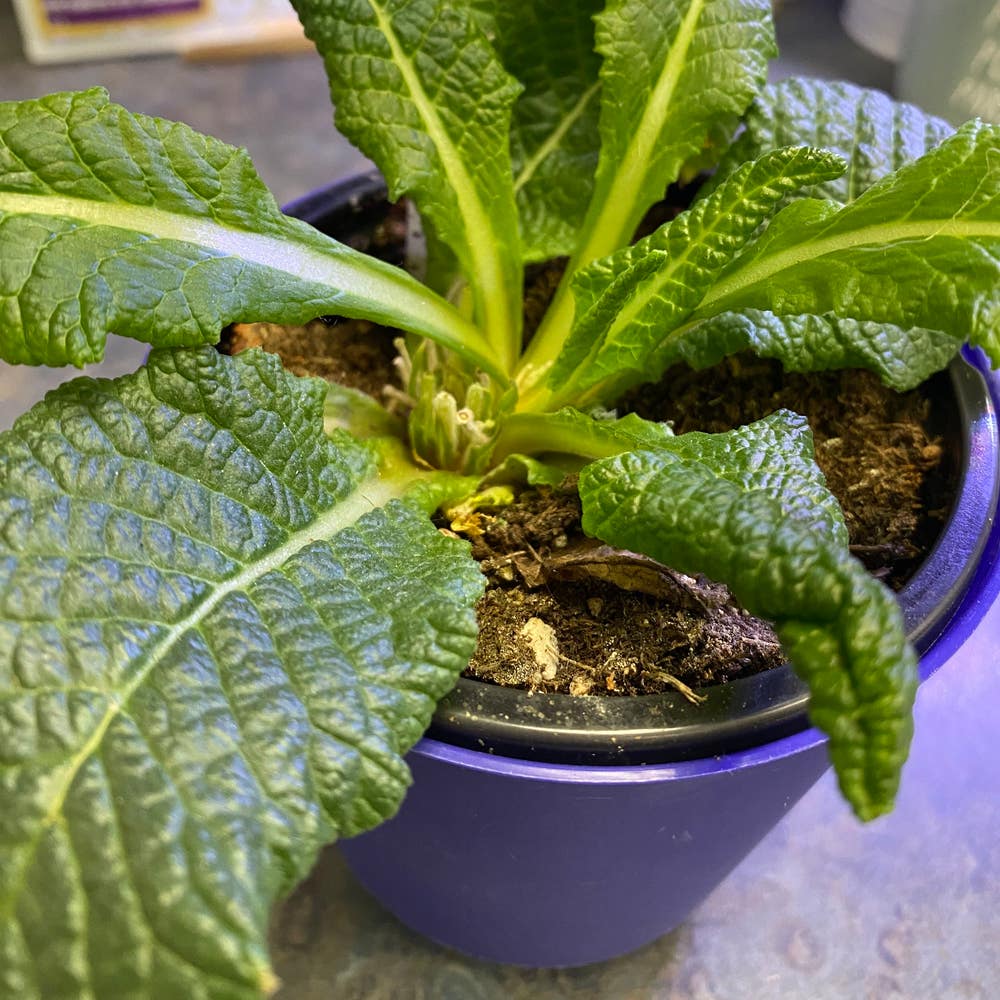
🌻 Ultimate Guide to Root Rot in Yellow Primrose
Primula lutescens
By the Greg Editorial Team
Nov 22, 2024•6 min read
This article was created with the help of AI so we can cover more plants for you. May contain errors. See one? Report it here.
- 🌼 Yellowing and wilting leaves indicate root rot in yellow primrose.
- 💧 Overwatering and poor drainage are primary causes of root rot.
- ✂️ Trim affected roots and replant in well-draining soil for recovery.
Diagnosing Root Rot
Signs to Look for 🌿
Identifying root rot in your yellow primrose starts with a visual inspection of the leaves. Look for yellowing and wilting patterns, which are often the first signs that something is amiss.
Next, check the soil moisture levels. Overly wet conditions can indicate poor drainage, a common culprit behind root rot.
Finally, observe the root health indicators. Healthy roots should be firm and white, while rotting roots will appear dark and mushy.
How to Check Roots for Rot 🔍
- Gently remove the plant from its pot to avoid further damage.
- Inspect the root system for any discoloration and texture changes.
- Identify healthy roots, which should feel firm and white, versus rotting roots that are dark and mushy.
- Use clean scissors to trim away any affected roots, ensuring you only keep the healthy parts.
Differentiating Between Root Rot and Other Issues 🆚
It's crucial to differentiate root rot from other plant problems. For instance, pest infestations, like aphids, can cause similar symptoms, so look closely at the leaves and stems.
Additionally, consider nutrient deficiencies that may mimic root health issues. Environmental stressors, such as temperature fluctuations, can also lead to symptoms that resemble root rot, so keep an eye on your plant's overall environment.
By understanding these distinctions, you can better diagnose your yellow primrose and take appropriate action. This knowledge sets the stage for effective treatment and recovery.
Treating Root Rot
Step-by-Step Treatment Process 🌱
Treating root rot in your yellow primrose requires careful attention. Start by gently removing the plant from its pot and inspecting the roots for any signs of damage.
Next, trim away all affected roots using sterilized tools. This step is crucial to prevent the spread of rot.
Prepare a new pot with fresh, well-draining potting mix. This will provide a healthier environment for your plant to recover.
Replant your primrose, ensuring proper soil contact around the roots. Finally, water lightly to avoid further saturation, which can exacerbate the problem.
Recommended Fungicides or Treatments 🧪
To combat root rot pathogens, consider applying specific fungicides designed for this purpose. These products can help eliminate harmful fungi and promote recovery.
Natural remedies can also be effective. Cinnamon and neem oil are popular antifungal agents that can be used to treat affected areas.
Additionally, soil amendments like perlite or sand can improve drainage. This is essential for preventing future occurrences of root rot.
How to Repot a Plant with Root Rot 🪴
When repotting a plant suffering from root rot, start by selecting a pot with drainage holes. This is vital for allowing excess water to escape.
Fill the pot with a suitable potting mix that promotes drainage. Position the plant at the same depth as before to ensure stability.
After repotting, water sparingly to avoid overwatering. This cautious approach will help your primrose regain its health without the risk of further rot.
By following these steps, you can effectively treat root rot and give your yellow primrose a chance to thrive again. Next, let’s explore how to prevent root rot from occurring in the first place.
Preventing Root Rot
🌊 Best Watering Practices
To prevent root rot, it's crucial to establish a proper watering routine. Allow the top inch of soil to dry out between waterings to ensure your yellow primrose doesn’t sit in soggy conditions.
Watering techniques matter too. Aim to water at the base of the plant, keeping the leaves dry to minimize the risk of fungal infections.
Seasonal adjustments are also important. During cooler months, reduce your watering frequency to match the plant's lower growth rate.
🕳️ Importance of Soil Drainage
Soil drainage is a key factor in preventing root rot. Well-draining soil should be light and airy, allowing excess water to escape easily.
The benefits of good drainage are significant. It helps reduce the risk of fungal infections and keeps roots healthy by preventing waterlogged conditions.
To improve drainage, consider mixing in perlite, sand, or gravel with your potting mix. These amendments create air pockets that enhance moisture flow.
🪴 Choosing the Right Potting Mix
Selecting the right potting mix is essential for your yellow primrose's health. A recommended blend includes peat moss, perlite, and compost for optimal moisture retention and drainage.
Avoid heavy soils that can suffocate roots. Lightweight, moisture-retentive mixes are ideal for preventing root rot.
You can also customize your potting mix based on specific growing conditions. Adjusting the ratios of ingredients can help create the perfect environment for your plant.
By implementing these preventive measures, you can significantly reduce the risk of root rot and ensure your yellow primrose thrives. Next, let’s explore how to care for your plant after treatment if root rot does occur.
Post-Treatment Care
Recovery Signs to Monitor 🌱
After treating root rot, keep an eye out for new growth. Fresh leaves and flowers are a positive indication that your yellow primrose is bouncing back.
Another sign of recovery is improved leaf color. Watch for a transition from yellowing to vibrant green, signaling that the plant is regaining its health.
Lastly, check the roots during repotting. Healthy roots should be firm and white, contrasting sharply with any dark or mushy areas that indicate lingering issues.
Ongoing Care After Treatment 🔄
Regular monitoring is crucial after treatment. Keep an eye on moisture levels and overall plant health to ensure your primrose continues to thrive.
Adjust your care routines as needed. Modifying watering and feeding based on the plant's recovery will help it regain strength.
Seasonal considerations also play a role. Be prepared to adapt your care as temperatures and humidity levels change throughout the year.
When to Seek Professional Help 🆘
If you notice persistent symptoms, such as continued yellowing or wilting despite your efforts, it may be time to consult a professional.
Severe root damage can also warrant expert intervention. If the rot is extensive, don't hesitate to seek help.
Lastly, if you're uncertain in your diagnosis, professional guidance can clarify whether you're dealing with root rot or another issue. It's better to ask for help than to risk further damage to your plant.
With proper care and attention, your yellow primrose can thrive again, bringing beauty back to your space.
⚠️ Safety First
This content is for general information and may contain errors, omissions, or outdated details. It is not medical, veterinary advice, or an endorsement of therapeutic claims.
Always consult a qualified healthcare professional before using any plant as food, medicine, or supplement.
Never eat any plant (or feed one to pets) without confirming its identity with at least two trusted sources.
If you suspect poisoning, call Poison Control (800) 222-1222, the Pet Poison Helpline (800) 213-6680, or your local emergency service immediately.
Spotted an error? Please report it here.
Revive your yellow primrose from root rot and keep it thriving 🌱 with Greg's personalized care tips and watering reminders that prevent future issues!