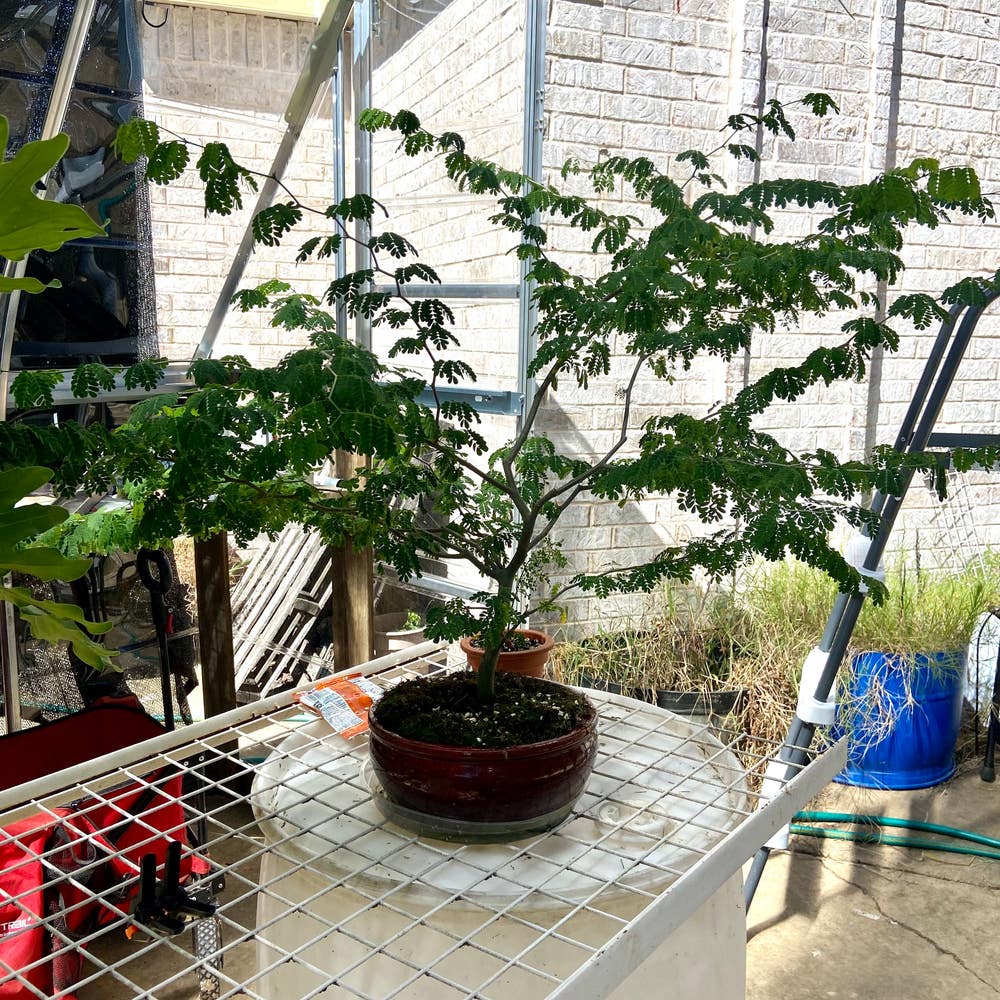
Understanding Why Your White Cedar Has Yellow Leaves
Tabebuia heterophylla
By the Greg Editorial Team
Nov 08, 2024•6 min read
This article was created with the help of AI so we can cover more plants for you. May contain errors. See one? Report it here.
Revive your White Cedar's vibrant health by tackling the causes of yellowing leaves! 🌳✨
- 🌱 Yellow leaves indicate nutrient deficiencies, especially nitrogen and iron.
- 💧 Overwatering and poor drainage lead to yellowing and root rot.
- 🐛 Pest infestations like spider mites cause yellowing and damage to foliage.
Causes of Yellow Leaves
🌱 Nutrient Deficiencies
Nutrient deficiencies are a common culprit behind yellow leaves in White Cedar.
- Nitrogen deficiency leads to pale yellow leaves and stunted growth, signaling that your tree isn't getting enough of this essential nutrient.
- Iron deficiency manifests as yellowing between leaf veins, while the veins themselves remain green, indicating an imbalance in nutrient availability.
To combat these issues, balanced fertilization is crucial for optimal growth and vibrant color retention.
💧 Overwatering and Poor Drainage
Overwatering can be just as harmful as nutrient deficiencies.
- Look for yellowing leaves, especially at the base, as well as signs of root rot, such as wilting and mushy roots.
- Ensuring proper soil drainage is vital; ideal soil should be well-draining to prevent waterlogging. Sandy loam or loamy soil types are recommended for healthy root systems.
🐛 Pest Infestations
Pests can wreak havoc on your White Cedar, leading to yellowing leaves and overall decline.
- Spider mites are notorious for causing stippled leaves and creating webbing that can suffocate your tree.
- Bagworms leave behind bags on foliage and can cause significant leaf drop.
These pests not only affect leaf health but also diminish the plant's vigor, making early detection essential.
🌡️ Environmental Stress Factors
Environmental stress factors can also contribute to yellowing leaves.
- Extreme temperatures, whether hot or cold, can lead to stress that manifests as yellowing foliage.
- Drought conditions, where water is insufficient, can exacerbate this issue, making acclimatization to local climate conditions vital for your tree's health.
🍄 Fungal Diseases
Fungal diseases are another serious threat to White Cedar.
- Phytophthora root rot presents symptoms like yellowing leaves and wilting, indicating severe root issues.
- Needle blight primarily affects older foliage, leading to yellowing and eventual leaf drop.
Preventing these diseases involves proper watering practices and ensuring good air circulation around your tree.
Understanding these causes is the first step in addressing yellow leaves on your White Cedar. Next, we'll explore how to diagnose these issues effectively.
Diagnosing Yellow Leaves
Identifying Symptoms 🌼
When your White Cedar starts showing yellow leaves, it’s essential to identify the symptoms accurately. Look for general yellowing across the plant versus localized yellowing, which can indicate different issues.
Pay attention to leaf drop patterns and timing. Noticing when leaves fall can help pinpoint the problem, whether it’s environmental stress or a pest issue.
Assessing Soil Conditions 🌱
Next, assess the soil conditions to understand what might be affecting your tree. A soil moisture test is crucial; check for soggy soil or overly dry conditions that could lead to stress.
Additionally, analyze the soil composition. Understanding pH levels and nutrient content can reveal deficiencies that may contribute to yellowing leaves.
Checking for Pests 🐛
Pests can wreak havoc on your White Cedar, so thorough inspections are necessary. Look for visible pests on leaves and stems, as their presence can lead to significant leaf damage.
For smaller pests like spider mites, using a magnifying glass can help you spot them more easily. Early detection is key to managing infestations effectively.
Evaluating Watering Practices 💧
Reviewing your watering practices is another critical step in diagnosing yellow leaves. Consider the frequency and amount of water you apply; both can significantly impact your tree's health.
Signs of improper watering include comparing leaf health with soil moisture levels. If your leaves are yellowing but the soil is soggy, you might be overwatering, while dry soil could indicate underwatering.
By carefully diagnosing these aspects, you can take informed steps to restore your White Cedar's vibrant health. Next, we’ll explore solutions to address these yellowing leaves effectively.
Solutions for Yellow Leaves
Adjusting Watering Schedule 🌊
To combat yellow leaves on your White Cedar, start by adjusting your watering practices. Water deeply but infrequently to encourage robust root growth.
Consider using the Greg plant care app for reminders on your watering schedule. This can help ensure your tree receives the right amount of moisture without overdoing it.
Fertilizing Techniques 🌱
Fertilization plays a crucial role in restoring your tree's health. Use balanced NPK fertilizers to replenish essential nutrients.
Organic options, like compost or well-rotted manure, are also excellent choices. Aim to fertilize in early spring, just before new growth begins, for the best results.
Pest Control Methods 🐛
Pest infestations can severely impact your White Cedar's health. For spider mites, consider using organic solutions like neem oil or insecticidal soap.
For bagworms, handpicking or setting traps can be effective. Regular monitoring and reapplication of treatments are key to keeping pests at bay.
Improving Soil Drainage 💧
Proper soil drainage is vital for preventing yellow leaves. Enhance drainage by incorporating organic matter into the soil.
If necessary, create raised beds to improve water flow. Remember, proper planting depth and spacing are also essential for healthy growth.
Pruning Affected Areas ✂️
Pruning is an effective way to promote new growth and improve your tree's appearance. Remove any yellowing or dead foliage to encourage healthier leaves.
The best time for pruning is early spring or late fall, ensuring your White Cedar has the best chance to thrive.
By implementing these solutions, you can help your White Cedar regain its vibrant color and overall health. Next, let’s explore preventative measures to keep your tree thriving year-round.
Preventative Measures
Regular Monitoring 🌱
Routine checks are essential for spotting early signs of stress in your White Cedar. Keeping a journal of plant health and changes can help you track patterns and identify issues before they escalate.
Seasonal Care Tips ☀️
Adjusting care based on seasonal changes is crucial for maintaining your tree's health. In winter, consider protective strategies like mulching to insulate roots, while in summer, be mindful of watering adjustments during dry spells to prevent stress.
Soil Testing and Amendments 🧪
Conducting soil tests regularly ensures your White Cedar has the right nutrients. Test your soil's pH and nutrient content every few years, and amend it based on the results to promote optimal growth.
Proper Planting Techniques 🌳
Adopting best practices for planting can significantly impact your tree's health. Ensure adequate spacing for air circulation and choose a location that offers sufficient sunlight and protection from harsh winds.
By implementing these preventative measures, you can help your White Cedar thrive and reduce the likelihood of yellowing leaves. Next, we’ll explore when it might be time to seek professional help for your tree.
When to Seek Professional Help
🐛 Signs of Severe Infestation
If your White Cedar is experiencing extensive leaf drop or visible pest damage, it’s time to consider professional help. These signs often indicate a severe infestation that may be beyond DIY solutions.
💛 Persistent Yellowing Despite Care
When yellowing persists despite your best care efforts, consulting an expert is advisable. A lack of improvement can signal underlying issues that require specialized knowledge to diagnose.
👩🔧 Consulting with Arborists or Plant Experts
Professional assessments offer numerous benefits, including expert diagnosis and tailored treatment plans. Finding qualified professionals in your area can ensure your White Cedar receives the best possible care.
Recognizing when to seek help is crucial for the health of your plant. With the right guidance, you can restore your White Cedar to its vibrant state.
⚠️ Safety First
This content is for general information and may contain errors, omissions, or outdated details. It is not medical, veterinary advice, or an endorsement of therapeutic claims.
Always consult a qualified healthcare professional before using any plant as food, medicine, or supplement.
Never eat any plant (or feed one to pets) without confirming its identity with at least two trusted sources.
If you suspect poisoning, call Poison Control (800) 222-1222, the Pet Poison Helpline (800) 213-6680, or your local emergency service immediately.
Spotted an error? Please report it here.
Revive your White Cedar's health and banish yellow leaves 🌿 with Greg's tailored watering schedules and nutrient reminders for a thriving tree!